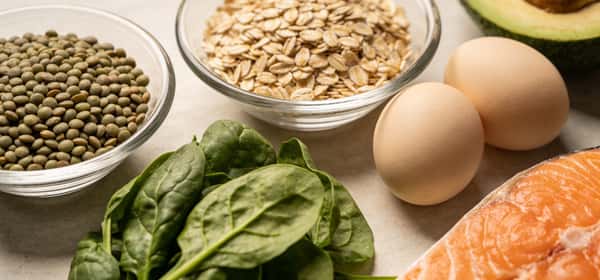
Here’s the strange part nobody warns you about: once a GLP-1 medication kicks in, the hard part isn’t resisting the second helping. It’s eating enough of the right stuff at all. Your appetite goes quiet, food stops calling your name, and suddenly a meal feels like a chore. That shift changes everything about how you should eat.
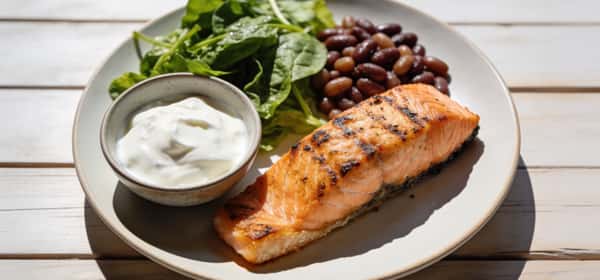
This is educational information, not medical advice. Semaglutide (Ozempic, Wegovy, Rybelsus) and tirzepatide (Mounjaro, Zepbound) are prescription-only medicines that must be prescribed and supervised by a licensed clinician. Versions sold online as “research use only” are not FDA-approved for human use. Never start, change, or stop a dose on your own, and never source or self-inject these drugs outside of legitimate medical care. Talk to your doctor or pharmacist first, especially if you take other medications or have a health condition.
Quick answer: Eat protein first at every meal, get enough fiber and water to keep digestion moving, and keep meals small and slow. Limit greasy, fried, very sugary, and large meals plus alcohol, since those tend to make nausea and reflux worse. The goal isn’t to eat as little as possible. It’s to eat well on a smaller appetite so you lose fat while keeping your muscle and your energy.
Choose your goal and get a meal plan that makes losing weight simpler.
Powered by DietGenie Lose weight
 Gain muscles
 Eat healthy
 Explore new cuisines
Why eating well matters more, not less, on a GLP-1
These drugs work partly by turning down hunger and slowing how fast your stomach empties. That’s the whole point, and it works. But it flips the usual problem. When you’re barely hungry, it’s easy to coast through the day on coffee, a few crackers, and whatever’s quick. The risk moves from eating too much to eating too little of what your body actually needs.
The piece that gets overlooked most is muscle. A meaningful share of the weight people lose on these medications can be lean mass, not just fat, especially if protein intake drops and activity stays low.1 That matters because muscle is what keeps your metabolism humming, your blood sugar steady, and your body strong as you age. Lose too much of it and you can hit your goal weight while feeling weaker and more tired than before.
The good news is this is largely preventable. Eating enough protein and doing some resistance training are the two levers shown to protect muscle while you lose fat.2 You don’t need a bodybuilder’s routine. You need a steady protein habit and enough movement to give your muscles a reason to stick around. If you want the broader plan around the medication, our GLP-1 diet guide walks through how the eating side fits together.
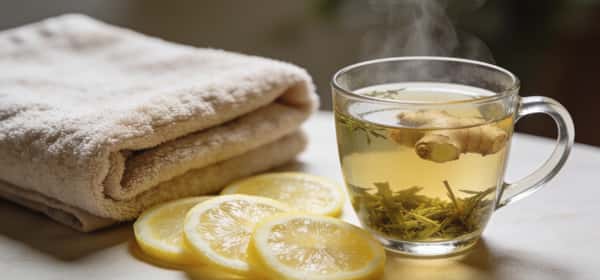
Protein first, every single meal
If you remember one rule, make it this one: anchor every meal with protein, and eat that part first.
Why first? Because on a GLP-1 your appetite can vanish three or four bites in. If those bites were bread and a few fries, you’ve spent your tiny appetite on the least useful thing. If they were eggs, fish, or Greek yogurt, you’ve covered the part that protects your muscle before fullness shuts the meal down.
Good anchors are easy to keep on hand:
- Eggs and egg whites
- Greek yogurt and cottage cheese
- Fish and seafood
- Chicken, turkey, lean beef
- Tofu, tempeh, edamame
- Beans and lentils
- A protein shake when nothing else sounds good
That last one is a lifesaver on rough days. When solid food feels like too much, a cold shake often goes down when a plate won’t. For more ideas, here’s our list of high-protein foods to build from.
How much protein? A practical range many clinicians use is roughly 1.2 to 1.6 grams of protein per kilogram of body weight per day. For a lot of people that lands higher than they’d guess, so the honest framing is: aim higher than you think, then confirm your exact number with your clinician, since the right target depends on your weight, kidneys, and goals. Spreading it across the day, a solid hit at each meal plus a protein-rich snack, works better than trying to cram it all into dinner.
Not sure where you stand? This will give you a starting estimate to bring to your next appointment.
Suggested read: Tirzepatide vs Semaglutide: Honest Comparison
Daily Protein Calculator
If you want to understand how protein fits alongside carbs and fat, our piece on the best macronutrient ratio for weight loss breaks down why protein gets the priority here.
Fiber and fluids keep things moving
Constipation is one of the most common complaints on these medications, and it’s no mystery why. You’re eating less overall, digestion has slowed, and if your smaller meals are mostly protein, fiber can quietly drop to nothing. The fix is boring but reliable: more fiber, more water.
Work in fiber from real food rather than counting on a supplement to do all the lifting:
- Vegetables, the more the better, especially leafy greens, broccoli, and carrots
- Fruit with the skin on, like apples, pears, and berries
- Beans and lentils, which conveniently bring protein too
- Whole grains such as oats, quinoa, and brown rice
And drink. It’s easy to forget when thirst cues fade along with hunger, but fiber without enough water can actually make constipation worse, not better. Keep a bottle in sight and sip through the day. If digestion still grinds to a halt, that’s worth raising with your clinician rather than toughing out.
Eat to “satisfied,” not “full”
On a GLP-1, fullness arrives late and lands hard. Your stomach empties slowly, so the signal that you’ve had enough can lag well behind reality. Eat to the point where you’re no longer hungry, then stop, even if it feels like you’ve barely touched the plate. Push to “stuffed” and you’re often rewarded with nausea, bloating, or reflux an hour later.
A few habits that make this easier:
- Slow down. Put the fork down between bites and give the signals time to catch up.
- Use a smaller plate so a modest portion looks like a real meal.
- Save leftovers without guilt. You’ll likely want them later when appetite ticks back up.
This is also why grazing on small, protein-forward snacks often beats sitting down to three big meals. Smaller and more frequent fits the new appetite better than forcing down a large plate.
Suggested read: Ozempic and Muscle Loss: Protect Your Lean Mass
Foods to limit (and why your stomach will thank you)
Some foods reliably stir up the side effects people hate most on these drugs: nausea, reflux, bloating, and those infamous sulfur burps. The usual suspects are greasy and fried foods, very large meals, heavy sugar, and alcohol, all of which tend to sit poorly when your stomach is already emptying in slow motion.3 You don’t have to ban them forever, but easing off, especially in the first weeks and after a dose increase, makes a real difference.
| Lean into | Go easy on |
|---|---|
| Lean proteins (fish, chicken, eggs, tofu) | Fried and greasy foods |
| Greek yogurt, cottage cheese | Large, heavy meals |
| Vegetables and fruit | Sugary desserts and sweet drinks |
| Beans, lentils, whole grains | Alcohol |
| Water and unsweetened drinks | Rich, creamy, or very fatty dishes |
Alcohol deserves its own mention. Beyond the nausea, many people notice their tolerance shifts on these medications, and drinking on a near-empty stomach hits differently. Go slow and see how you feel. For the full rundown of what helps when symptoms flare, see our guide to managing GLP-1 side effects.
Don’t skip meals just because you’re not hungry
This one trips up a lot of people. The appetite suppression feels like a gift at first, so why not just eat once a day and let the pounds fall off faster?
Because that’s exactly how you lose muscle and end up dragging. Skipping meals means skipping protein, and protein is the thing standing between you and lean-mass loss. It also tends to backfire later, with low energy, poor sleep, and the kind of depletion that makes movement feel impossible. Faster on the scale isn’t better if half of what’s leaving is muscle.
Set a loose structure even when hunger is absent. Three small protein-anchored meals, or a few mini-meals, keeps the nutrients coming in without overwhelming a quiet appetite. Think of eating as something you do on schedule for a while, not only when your stomach demands it.
Suggested read: Semaglutide Side Effects: What to Expect & Manage
A simple day of eating
You don’t need anything fancy. Here’s what a realistic low-appetite day might look like, protein-forward and easy on the stomach:
| Meal | Example |
|---|---|
| Breakfast | Two scrambled eggs with a side of berries, or Greek yogurt with a spoon of oats |
| Snack | Cottage cheese, or a protein shake if breakfast didn’t land |
| Lunch | Grilled chicken or salmon over greens, dressed lightly |
| Snack | A handful of edamame, or apple slices with a little nut butter |
| Dinner | Tofu or lean beef stir-fry with vegetables and a small scoop of rice |
Notice every meal leads with protein and pairs it with fiber, and nothing on the list is heavy, greasy, or huge. Adjust portions to whatever your appetite allows that day, and eat the protein part first when you can only manage a few bites.
Bottom line
GLP-1 medications quiet your appetite, which means the job shifts from eating less to eating smarter on the smaller appetite you’ve got. Lead with protein at every meal, hit a target you’ve confirmed with your clinician, get enough fiber and water to keep digestion moving, and keep meals small and slow. Ease off the greasy, sugary, oversized plates and the alcohol that make side effects worse, and don’t skip meals just because hunger went quiet. Do that consistently and you protect your muscle, steady your energy, and lose fat in a way that’s far more likely to last, which is the whole point of keeping the weight off for good.
Neeland IJ, Linge J, Birkenfeld AL. Changes in lean body mass with glucagon-like peptide-1-based therapies and mitigation strategies. Diabetes Obes Metab. 2024;26 Suppl 4:16-27. PubMed ↩︎
Nunn E, et al. Antibody blockade of activin type II receptors preserves skeletal muscle mass and enhances fat loss during GLP-1 receptor agonism. Mol Metab. 2024;80:101880. PubMed ↩︎
Ghusn W, Hurtado MD. Glucagon-like Receptor-1 agonists for obesity: Weight loss outcomes, tolerability, side effects, and risks. Obes Pillars. 2024;12:100127. PubMed ↩︎