Vitamin C serum is one of the few skincare products that both dermatologists and skincare obsessives agree on. It brightens dull skin, fades dark spots, softens the signs of aging, and — used in the morning under sunscreen — helps defend your skin against daily sun damage. The catch is that vitamin C is famously finicky: buy the wrong form or store it badly and you’re rubbing an oxidized, useless (or irritating) liquid on your face. Here’s how to get it right.
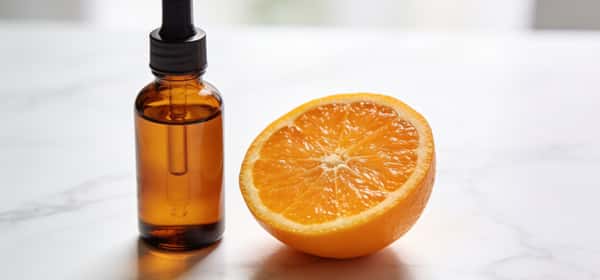
Quick answer: A vitamin C serum delivers topical antioxidant protection while brightening skin and supporting collagen. Vitamin C neutralizes the free radicals from UV and pollution, boosts collagen production, and blocks excess pigment, which is why it’s prized for anti-aging, sun defense, and an even, glowing tone.1 Use it in the morning after cleansing and before sunscreen. The most potent form is L-ascorbic acid (look for around 10–20%), but it’s unstable — if your serum turns dark yellow or brown, it’s oxidized and should be replaced. Gentler derivatives suit sensitive skin. Pair it with daily SPF for the biggest payoff.
What vitamin C does for your skin
Vitamin C (ascorbic acid) is naturally present in healthy skin in high concentrations, where it does real work, and topping it up topically taps into several of those functions at once.2 The three big ones:
Glow starts with what you eat. Choose your goal and get your plan.
Powered by DietGenie Eat healthy
 Lose weight
 Gain muscles
 Explore new cuisines
- Antioxidant and sun defense. Vitamin C is one of the most powerful antioxidants in skin, neutralizing the free radicals generated by UV light and pollution before they damage cells. It doesn’t replace sunscreen, but it works alongside it — layered under SPF, it adds a second line of defense against photodamage.1
- Anti-aging via collagen. It’s essential for collagen synthesis and helps stabilize the collagen you already have, which is why consistent use is linked to firmer skin and softer fine lines.1
- Brightening. It interferes with excess melanin production, so over time it fades dark spots, post-acne marks, and dullness for a more even, radiant tone.
The honest caveat worth stating up front: while the mechanisms are well established, the number of high-quality clinical trials on finished serums is still limited, and results depend heavily on the formulation being stable and able to penetrate.1 In other words, it’s a genuinely good ingredient, but the product quality matters a lot.
How to use a vitamin C serum
Vitamin C is a morning ingredient. Here’s the routine:
- Cleanse, then apply a few drops of serum to clean, dry skin.
- Let it absorb, then follow with moisturizer.
- Finish with sunscreen — this is the pairing that matters most, since vitamin C and SPF protect against sun damage through different mechanisms. Our guide to mineral vs chemical sunscreen helps you pick one.
A few pointers:
- Introduce it slowly if your skin is sensitive — every other morning at first.
- Vitamin C and vitamin E are often combined because they work synergistically, boosting each other’s antioxidant power.1
- Go easy on layering it with strong exfoliating acids or retinol at the same time, which can irritate; many people use vitamin C in the morning and retinol at night.
- Niacinamide is a friendly companion — despite old myths, niacinamide and vitamin C can be used together without trouble.
Choosing a form (and keeping it fresh)
This is where most vitamin C purchases succeed or fail.
| Form | Notes |
|---|---|
| L-ascorbic acid | Most potent and best-studied, but least stable; look for ~10–20% |
| Sodium ascorbyl phosphate | Gentler, more stable derivative; good for sensitive/acne-prone skin |
| Magnesium ascorbyl phosphate | Stable, hydrating, gentle |
| Ascorbyl glucoside / THD ascorbate | Stable derivatives, milder but often less potent |
The Achilles’ heel of L-ascorbic acid is instability — it oxidizes when exposed to air, light, and heat, and once oxidized it stops working and can even irritate. Protect it by:
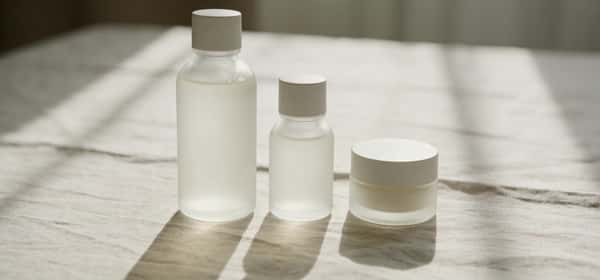
- Buying it in opaque, air-tight packaging (dark glass, pump, or air-restrictive bottle).
- Storing it cool and out of light — some people keep it in the fridge.
- Watching the color. Fresh serum is clear to pale yellow; if it turns dark yellow, orange, or brown, it’s gone off and should be replaced. This is the single most useful thing to know about vitamin C.
What results to expect, and when
Vitamin C is a slow, cumulative ingredient, not a quick fix. The antioxidant, sun-defense benefit is working from day one even though you can’t see it — that’s the point of it. The visible changes take time: a brighter, more even tone tends to show up within four to eight weeks, while fading dark spots and any firming benefit build over three months or more of daily use. Because so much of the payoff is invisible protection, the temptation is to give up before the visible brightening kicks in. Stick with it, use it every morning, and judge it after a couple of months rather than a couple of weeks.
Common vitamin C mistakes
A few avoidable errors are why some people conclude vitamin C “doesn’t work”:
- Using an oxidized serum. If it’s turned brown, it’s dead — replace it. This is the number-one reason serums underperform.
- Skipping sunscreen. Vitamin C’s biggest benefit is amplifying your sun defense, so using it without daily SPF wastes much of the point.
- Buying clear-bottle, bargain formulas. Vitamin C degrades in light and air; packaging matters as much as the percentage on the label.
- Chasing the highest percentage. Beyond about 20%, more L-ascorbic acid mostly means more irritation, not more benefit.
Side effects and who should be careful
Vitamin C serum is well tolerated by most people, but:
- Mild tingling or stinging can happen, especially with high-strength L-ascorbic acid on sensitive skin — drop to a gentler derivative if so.
- Irritation or redness usually means the concentration is too high or the product has oxidized.
- Very sensitive or reactive skin should patch test and start with a lower strength, or choose a gentler derivative from the start.
None of this should scare you off — it’s one of the most rewarding actives out there — but it does reward buying a well-formulated product and treating it right.
Suggested read: AHA vs BHA: Which Exfoliating Acid Is Right?
The bottom line
Vitamin C serum earns its place as a morning staple: it’s a powerful antioxidant that defends against daily sun and pollution damage, supports collagen for firmer skin, and brightens dark spots and dullness for a more even tone. The keys to actually getting those benefits are picking a stable, well-packaged product — potent L-ascorbic acid or a gentler derivative for sensitive skin — using it each morning under sunscreen, and replacing it the moment it turns brown. Get the product and the storage right, pair it with daily SPF, and vitamin C is one of the highest-return steps you can add to a skincare routine.