If you got a Trulicity prescription and then went looking online for how much weight you’d lose, you probably came away a little confused. Half the internet talks about GLP-1 shots like they melt pounds off overnight, and yet your doctor handed you Trulicity for your blood sugar and barely mentioned the scale. Both things are true at once, and the gap between them is the whole story here.
This is educational information, not medical advice. GLP-1 and GLP-1/GIP medicines — including semaglutide (Ozempic, Wegovy, Rybelsus), tirzepatide (Mounjaro, Zepbound), liraglutide (Saxenda, Victoza), and dulaglutide (Trulicity) — are prescription-only and must be prescribed and supervised by a licensed clinician. Versions sold online as “research use only” are not FDA-approved for human use. Never start, change, or stop a dose on your own, and never source or self-inject these drugs outside of legitimate medical care. Talk to your doctor or pharmacist first, especially if you take other medications, could become pregnant, or have a health condition.
Quick answer: Trulicity is the brand name for dulaglutide, a once-weekly injection made by Eli Lilly. It’s a GLP-1 receptor agonist approved to help control blood sugar in adults with type 2 diabetes, and also to lower the risk of heart attack and stroke in people with type 2 diabetes. It’s not approved for weight loss. People do tend to drop a few pounds on it, but the effect is modest — think a couple of kilograms, not the dramatic numbers you’ve seen attached to Wegovy or Zepbound.
Choose your goal and get a meal plan that considers your blood sugar.
Powered by DietGenie Eat healthy
 Lose weight
 Gain muscles
 Explore new cuisines
What Trulicity actually is
Dulaglutide belongs to a family of drugs called GLP-1 receptor agonists. GLP-1 is a hormone your gut releases after you eat. It nudges your pancreas to put out more insulin when blood sugar is high, tells your liver to ease off on glucose production, and slows how fast your stomach empties so you feel full longer. Trulicity is a long-lasting copy of that hormone, engineered to hang around in your body for about a week per shot.
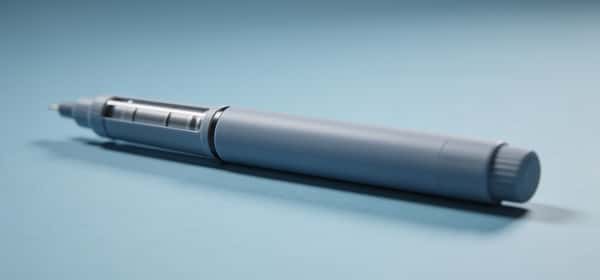
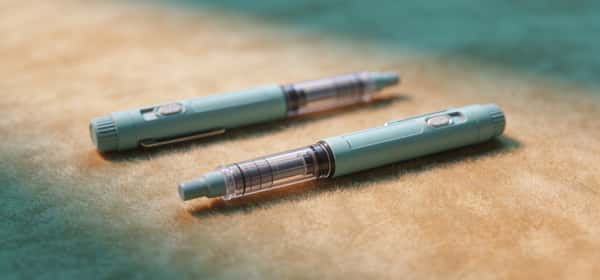
That weekly schedule is part of why it caught on. You inject it under the skin — belly, thigh, or upper arm — once every seven days, on whatever day works for you. The pen is designed so you never see or handle the needle, which matters more than you’d think for people who’ve spent years dreading injections.
It arrived on the market in 2014 squarely as a diabetes drug, and that’s still what its label says it’s for. The weight-loss conversation came later, and mostly because its newer cousins turned out to be so much better at it.
What it’s approved to do
Trulicity has two FDA-approved jobs, and both are about diabetes.
The first is blood-sugar control in adults with type 2 diabetes. By boosting insulin when you need it and tamping down glucose output, it lowers your A1c — the rolling average of your blood sugar over a few months. Doctors often add it on top of metformin, or alongside other diabetes medicines, when diet and the first-line pills aren’t getting numbers where they should be.
The second job is heart protection. Trulicity is approved to reduce the risk of major cardiovascular events — heart attack, stroke, and cardiovascular death — in adults with type 2 diabetes who either already have heart disease or have multiple risk factors for it. That’s a genuinely big deal, because for a long time diabetes drugs were judged purely on blood sugar, and some of them quietly raised heart risk. A medicine that lowers both is worth paying attention to.
Notice what’s not on that list: weight loss. There’s no FDA approval for Trulicity as an obesity treatment, and that’s a deliberate distinction, not a technicality.
Suggested read: Wegovy vs Zepbound: Which Wins for Weight Loss?
The weight question
Here’s the honest version. Yes, people usually lose some weight on Trulicity. The appetite-dampening, slower-stomach effect is real, and over months it tends to show up on the scale. But “some” is the operative word.
In AWARD-5, a two-year trial in people with type 2 diabetes already taking metformin, dulaglutide at the 1.5 mg dose led to roughly 2.9 kg of weight loss, compared with about 1.75 kg for people on sitagliptin (a different class of diabetes pill).1 That’s a real difference, and it came with better blood-sugar control too — but 2.9 kg over two years is a few pounds, not a transformation. If you came in hoping the shot would do the heavy lifting, that number is worth sitting with.
This is exactly why your doctor framed Trulicity around your diabetes and not your waistline. The weight loss is a welcome side benefit for a blood-sugar drug. It is not the headline.
If weight is genuinely your main goal, the landscape looks different, and it’s worth understanding why. The bigger picture of how these drugs stack up for fat loss is covered in our overview of GLP-1 medications for weight loss, which is a good place to start if you’re weighing options.
Why it’s not the weight-loss star
The GLP-1 world moved fast, and Trulicity got leapfrogged. Two drugs in particular reset expectations.
Semaglutide — sold as Ozempic for diabetes and Wegovy for weight loss — produces noticeably larger losses than dulaglutide, which is part of why it became the name everyone knows. (The Ozempic-versus-Wegovy thing trips a lot of people up, since they’re the same molecule at different doses; we untangle it in Ozempic vs Wegovy.)
Then came tirzepatide — Mounjaro and Zepbound — which hits two gut hormone receptors instead of one, GLP-1 and GIP together. In SURMOUNT-1, the big obesity trial, people on the highest tirzepatide dose lost about 20.9% of their body weight over 72 weeks.2 Put that next to dulaglutide’s couple of kilograms and you can see why anyone focused on weight gets steered toward the newer options. If you’re curious how the two front-runners differ, semaglutide vs tirzepatide breaks it down.
None of this makes Trulicity a bad drug. It’s a good diabetes and heart medicine. It’s just not the tool you reach for when pounds are the point. For people whose target really is weight, a drug like liraglutide (Saxenda) was the older dedicated option — and even that has been overtaken; the liraglutide vs semaglutide comparison and our Saxenda explainer walk through where it fits now.
Suggested read: Ozempic vs Mounjaro: How the Two Compare
Dosing, in plain terms
Trulicity comes in four weekly doses: 0.75 mg, 1.5 mg, 3.0 mg, and 4.5 mg. The general approach is to start low and move up only if needed, which gives your gut time to adjust and keeps the early nausea more manageable.
The starting point is usually 0.75 mg once a week. From there, a clinician may bump you to 1.5 mg for better blood-sugar control, and the 3.0 mg and 4.5 mg doses exist for people who need more glucose-lowering than the lower doses deliver. Higher doses do tend to come with a bit more weight loss and a bit more A1c reduction, but also a bit more in the way of stomach side effects — it’s a balance your prescriber works out with you, not a ladder you climb on your own.
The reason this all has to run through a clinician isn’t bureaucratic caution. Dose changes, what else you’re taking, your kidney function, whether you might become pregnant — these all shape what’s safe, and they’re exactly the things that get missed when people try to manage a prescription drug solo.
Side effects to expect
The side-effect profile is the one that shows up across this whole drug class, and it’s overwhelmingly about the gut.3 Nausea is the headliner. In AWARD-5, nausea affected around 17% of people on dulaglutide 1.5 mg.1 You may also run into vomiting, diarrhea, constipation, indigestion, or a general off-your-food feeling, especially in the first few weeks and right after a dose increase. For most people it fades as the body settles in, which is the whole logic behind starting low.
A few more serious things sit on the warning label and are worth knowing about, even though they’re far less common. There’s a boxed warning about thyroid C-cell tumors based on rodent studies, so Trulicity isn’t used in people with a personal or family history of medullary thyroid cancer or a condition called MEN 2. Pancreatitis, gallbladder problems, and — when it’s combined with insulin or certain other diabetes drugs — low blood sugar are also on the list. None of this is meant to scare you off a medicine your doctor chose for good reasons; it’s the kind of thing that makes the “supervised by a clinician” part non-negotiable.
One practical note: because these drugs slow stomach emptying, they can change how other oral medications get absorbed, and they’ve been a talking point around anesthesia before surgery. That’s another reason your full medication list belongs in the conversation.
Suggested read: Rybelsus: Oral Semaglutide Pill Explained
How to think about it
If you have type 2 diabetes, Trulicity is a solid, well-established choice: once a week, easy pen, real blood-sugar control, and a proven cut in heart-attack and stroke risk. The few pounds that often come along are a nice bonus.
If your real goal is weight loss, Trulicity is probably not the medicine you want, and a good clinician will tell you the same thing. The numbers just aren’t in the same league as semaglutide or tirzepatide, and there’s no reason to expect a diabetes-dose GLP-1 to behave like a purpose-built obesity drug. Knowing which problem you’re actually solving is most of the decision.
Bottom line
Trulicity (dulaglutide) is a once-weekly GLP-1 injection approved for blood-sugar control in type 2 diabetes and for lowering cardiovascular risk in those patients — not for weight loss. It does tend to trim a modest amount of weight (roughly 2.9 kg over two years in AWARD-5), but that’s a side benefit, not its purpose, and it’s dwarfed by what semaglutide and tirzepatide deliver. The side effects are the usual GI ones, mostly nausea early on. If you’ve got diabetes, it’s a strong option. If you’re chasing the scale, talk to your doctor about whether something else fits better — and never source or dose any of these drugs outside real medical care.
Weinstock RS, et al. Safety and efficacy of once-weekly dulaglutide versus sitagliptin after 2 years in metformin-treated patients with type 2 diabetes (AWARD-5): a randomized, phase III study. Diabetes Obes Metab. 2015;17(9):849-858. PubMed ↩︎ ↩︎
Jastreboff AM, et al. Tirzepatide Once Weekly for the Treatment of Obesity. N Engl J Med. 2022;387(3):205-216. PubMed ↩︎
Ghusn W, Hurtado MD. Glucagon-like Receptor-1 agonists for obesity: Weight loss outcomes, tolerability, side effects, and risks. Obes Pillars. 2024;12:100127. PubMed ↩︎