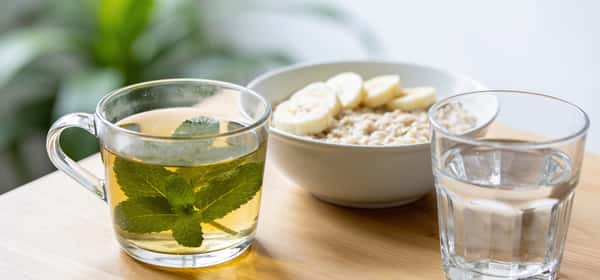
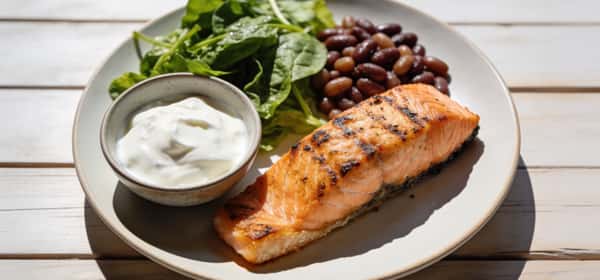
If your bowels go on strike the moment you leave home, you’re not imagining it. Travel constipation is one of the most common complaints on trips, and it’s frustrating precisely because it can hit even people who are perfectly regular at home. The fix isn’t mysterious — it’s about giving your gut back the inputs it quietly depends on: fiber, fluid, movement, and a bit of routine. Here’s why travel constipation happens and exactly how to get things moving again.

Quick answer
- Why it happens: less fiber and water than usual, hours of sitting, a disrupted body clock, and a gut that thrives on routine.
- Fastest fixes: drink more water, eat fiber-rich food, walk in the morning, and don’t ignore the urge to go.
- Backup options: a magnesium supplement or a gentle osmotic laxative can help short-term.
- When to worry: blood in stool, severe pain, vomiting, or constipation lasting more than a week deserves medical attention.
Why travel jams up your gut
Several things gang up on your digestion at once when you travel.
Your diet changes. Airport food, restaurant meals, and convenience snacks tend to be lower in fiber and higher in fat and refined carbs than what you eat at home. Fiber is what gives stool bulk and helps it move; cut it and things slow down. Some travel staples make it worse — see foods that cause constipation.
A calm gut starts with the right meals. Choose your goal and get your plan.
Powered by DietGenie Eat healthy
 Lose weight
 Gain muscles
 Explore new cuisines
You drink less. Between rationing water to avoid airplane bathrooms, dry cabin air, and just being out of your routine, fluid intake usually drops. Less water means harder, drier stool.
You sit for hours. Physical activity stimulates gut motility — the muscular contractions that push things along. Long flights, train rides, and car journeys mean hours of stillness, and your bowel slows to match.
Your body clock is scrambled. Your gut has its own circadian rhythm, and bowel movements often cluster in the morning. Cross time zones and that rhythm gets thrown off along with your sleep, which is part of why jet lag and constipation so often arrive together. Our jet lag remedies guide covers resetting that clock.
You ignore the urge. On the road it’s easy to put off going — no convenient bathroom, a packed schedule, discomfort with unfamiliar facilities. Repeatedly overriding the urge trains your body to suppress it, and stool sitting longer in the colon gets drier and harder to pass.
Fix 1: Load up on fiber
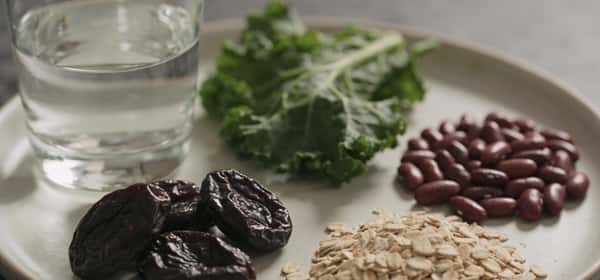
Fiber is the cornerstone. The evidence shows fiber supplements improve both stool frequency and consistency compared with placebo, and reasonable fiber intake is a first-line move for constipation.1 On a trip, that means seeking out:
- Fruit (especially with skin), berries, kiwi
- Vegetables and salads
- Whole grains — oats, brown rice, whole-grain bread
- Legumes, nuts, and seeds
Our high-fiber foods list and foods to relieve constipation give you specifics worth seeking out at a market or grocery store wherever you land. One caveat: ramp fiber up with enough water, not on its own — fiber without fluid can make constipation worse, not better.
Fix 2: Drink enough water
Fiber and fluid are a team. Water keeps stool soft enough to move. On travel days you’re fighting dry cabin air and a tendency to under-drink, so be deliberate about it — see hydration on planes for in-flight targets and the broader health benefits of water.
If you’re in a hot climate and sweating, plain water alone may not cut it; you’re also losing minerals, and electrolytes can help you actually retain the fluid you drink.
Fix 3: Move your body
Movement is one of the most reliable, underused fixes. A morning walk does two things: physical activity stimulates the colon, and morning is when your gut’s natural rhythm is primed to go anyway. Even a brisk 15–20 minute walk after breakfast can be enough to break the stall. Gentle stretching for the lower back and hips can also help if sitting has left you tight and sluggish.
Suggested read: Immunity for Travel: What Actually Protects You
Fix 4: Protect your routine
Your gut likes predictability. Where you can:
- Eat at roughly consistent times, anchored to local time.
- Give yourself unhurried bathroom time, ideally after breakfast when the urge is strongest.
- Don’t suppress the urge — go when you need to.
- Adjust to the new time zone quickly so your gut’s clock catches up with everything else.
Backup options when the basics aren’t enough
If a couple of days of fiber, fluid, and walking haven’t worked, gentle reinforcements are reasonable:
| Option | How it helps | Notes |
|---|---|---|
| Magnesium | Draws water into the bowel (osmotic effect) | See magnesium for constipation |
| Osmotic laxative (e.g. PEG) | Softens stool, increases frequency | Well tolerated short-term |
| Probiotics | May support regularity in some people | Evidence is mixed; see probiotics |
| Kiwi / prunes | Natural, fiber-plus-sorbitol effect | Easy to find while traveling |
A note on probiotics: the evidence for them specifically preventing constipation isn’t strong, so treat them as a maybe rather than a sure thing.1 If you want to try, our guides on healthy probiotic foods and the best time for probiotics cover the practical side. A high-fiber diet and increased fluid intake are the standard first-line advice across the board, and laxatives are reserved for when those aren’t enough.2
Prevent it before it starts
You can head off most travel constipation by acting on travel day rather than waiting for the stall.
- Eat a fiber-rich breakfast before you fly — oats, fruit, whole-grain toast.
- Front-load fluids the day before and the morning of travel, so you start from a good baseline.
- Pack portable fiber — a small bag of dried fruit, nuts, or a couple of kiwis travels well and beats airport snacks.
- Plan a morning walk into your first day at the destination.
- Adjust to local time fast so your gut’s rhythm resets along with your sleep.
If you regularly get constipated when you travel and diet tweaks haven’t been enough, talk to your doctor about keeping a magnesium supplement or osmotic laxative on hand specifically for trips — it’s a reasonable plan, not a sign something’s wrong.
Suggested read: How to Manage GLP-1 Side Effects
What about people with IBS?
If you already live with irritable bowel syndrome, travel can amplify both constipation and the opposite problem. IBS is common, affecting an estimated 7–21% of people, and stress, schedule disruption, and diet changes are classic triggers.3 The same fundamentals apply — fiber, fluid, movement, routine — but be extra deliberate about them, and stick to the diet that usually keeps your symptoms calm rather than experimenting with unfamiliar food while you’re away. If your pattern changes sharply or new symptoms appear, get it checked rather than assuming it’s “just travel.”
When to see a doctor
Travel constipation is almost always benign and self-limiting. But don’t shrug off these:
- Blood in your stool or black, tarry stools
- Severe abdominal pain, bloating, or vomiting
- No bowel movement for more than a week, or a sudden, persistent change in your usual pattern
- Unexplained weight loss alongside bowel changes
A persistent change in bowel habits, especially after age 50, is worth a medical check rather than self-treatment.3
Bottom line
Travel constipation comes from a stack of small disruptions — less fiber, less water, more sitting, a scrambled body clock, and ignored urges. Reverse them and your gut usually follows: eat fiber-rich food, drink enough water to go with it, walk in the morning, keep meal and bathroom timing as regular as you can, and don’t suppress the urge. Reach for magnesium or a gentle osmotic laxative only if the basics fall short, and get checked for the red flags above. For the full travel-wellness picture, see our travel health tips guide.
Tabbers MM, Boluyt N, Berger MY, Benninga MA. Nonpharmacologic treatments for childhood constipation: systematic review. Pediatrics. 2011;128(4):753-61. PubMed | DOI ↩︎ ↩︎
Turawa EB, Musekiwa A, Rohwer AC. Interventions for preventing postpartum constipation. Cochrane Database Syst Rev. 2020;8(8):CD011625. PubMed | DOI ↩︎
Chey WD, Kurlander J, Eswaran S. Irritable bowel syndrome: a clinical review. JAMA. 2015;313(9):949-58. PubMed | DOI ↩︎ ↩︎