Spermidine has one of the most compelling stories in the longevity world: a natural compound that switches on your cells’ self-cleaning system, with population studies linking higher intake to longer life. It’s the kind of narrative that sells a lot of supplements. But there’s a wrinkle the marketing skips — when researchers actually put spermidine to the test for one of its headline claims in a proper trial, it didn’t deliver. That gap between exciting theory and so-so human results is exactly why spermidine is worth understanding honestly. Here’s the real picture.
Quick answer: Spermidine is a naturally occurring compound (a polyamine) found in foods like wheat germ, aged cheese, soy, and mushrooms. It’s a potent trigger of autophagy — the cellular recycling process that clears out damaged components and declines with age — which is why it’s studied for longevity. Population studies link higher spermidine intake to lower mortality, and animal research is genuinely promising. But the best human trial, a 12-month study on memory, found no significant benefit. So spermidine has strong biological rationale and intriguing epidemiology, but the hard clinical evidence in people is still thin. For the wider context, see longevity supplements.
What spermidine is
Spermidine is a polyamine — a small molecule your body makes, your gut bacteria produce, and you also get from food. It’s involved in fundamental cellular processes like growth and stability, and notably, your natural spermidine levels tend to decline as you age (one of several age-related drops that longevity researchers find interesting).
Real meals matter more than any supplement. Choose your goal and get your plan.
Powered by DietGenie Eat healthy
 Lose weight
 Gain muscles
 Explore new cuisines
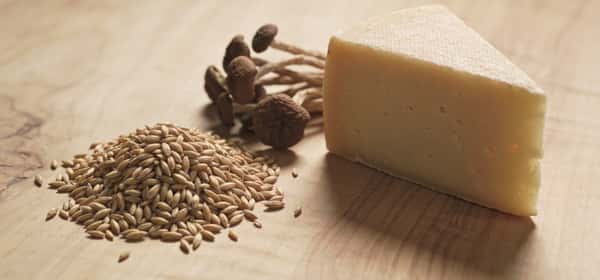
It’s not exotic or new — it’s been in the human diet forever. Rich sources include:
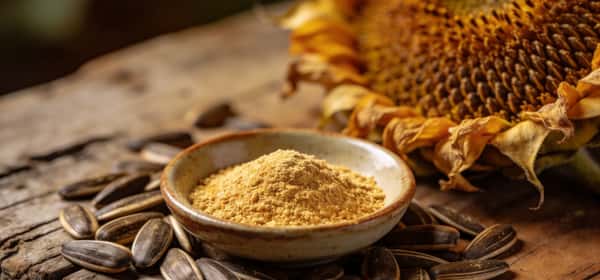
- Wheat germ (one of the most concentrated sources, and what most supplements are extracted from)
- Aged and mature cheeses
- Soy products (natto, tempeh)
- Mushrooms
- Legumes and whole grains
So before reaching for a supplement, it’s worth knowing that a varied diet with these foods already supplies spermidine.
How it works: switching on autophagy
The reason spermidine excites longevity scientists is autophagy — and this mechanism is genuinely important.
Autophagy is your cells’ recycling and cleanup program. It breaks down damaged proteins, worn-out organelles, and cellular junk, then reuses the parts. It’s essential for keeping cells healthy, and like many maintenance systems, it slows down with age. Sluggish autophagy is considered one of the hallmarks of aging, contributing to the accumulation of cellular damage over time.
Spermidine is one of the most reliable natural triggers of autophagy known. By switching this cleanup system back on, the theory goes, it could help cells stay healthier longer — which is the core of its longevity pitch. The mechanism is real and well-documented in the lab. The question is whether swallowing spermidine translates into meaningful benefits in actual humans.
What the evidence actually shows
This is where you need both the exciting half and the sobering half.
The promising side: In animal studies, spermidine supplementation extends lifespan and improves markers of cardiovascular and brain health. And in humans, epidemiological studies link higher dietary spermidine intake to lower mortality — people who eat more spermidine-rich foods tend to live longer. Spermidine is prominent enough that major aging researchers list it among the leading compounds being tested as anti-aging medicines.1
The sobering side: Association isn’t causation, and the one large, well-designed human trial tells a humbler story. In a 12-month randomized, placebo-controlled trial, older adults with subjective cognitive decline took a wheat-germ spermidine supplement — and it produced no significant improvement in memory compared with placebo. Exploratory analyses hinted at possible benefits for verbal memory and inflammation, but the primary result was null.2
So the honest summary: strong mechanism, encouraging animal data and epidemiology, but the best clinical trial in people came up flat for its main outcome. Spermidine is promising, not proven.
Spermidine at a glance
| Spermidine | |
|---|---|
| What it is | Natural polyamine; potent autophagy trigger |
| Food sources | Wheat germ, aged cheese, soy, mushrooms |
| Mechanism evidence | Strong (autophagy is well-documented) |
| Human clinical evidence | Limited; main memory trial was null |
| Epidemiology | Higher intake linked to lower mortality |
| Verdict | Promising rationale, unproven in humans |
Should you take it?
A measured approach:
- Food first. Because spermidine is abundant in healthy foods, the simplest move is eating more wheat germ, mushrooms, legumes, aged cheese, and soy. You get spermidine plus everything else those foods offer.
- Supplements are low-risk but unproven. Wheat-germ-derived spermidine supplements appear well tolerated in trials, so if you want to experiment, the downside is mostly your wallet, not your safety. Just don’t expect a dramatic effect.
- Don’t rely on it alone. Autophagy is also stimulated by things you can do for free — regular exercise and fasting both promote it. Pairing those with a spermidine-rich diet is a more grounded strategy than betting on a pill.
Spermidine sits in the “promising but unsettled” tier of longevity supplements, alongside taurine — interesting, plausible, worth watching, but not yet backed by strong human outcomes the way urolithin A is for muscle, or glycine is for sleep and aging markers.
How to read the heart and brain claims
You’ll often see spermidine marketed specifically for heart and brain health, so it’s worth knowing where those claims come from. Much of it traces back to observational data — studies tracking what people eat and how long they live — where higher spermidine intake lines up with better cardiovascular outcomes and lower mortality. That’s genuinely interesting, but observational studies can’t prove the spermidine itself is responsible; people who eat more wheat germ, legumes, and mushrooms tend to eat better overall, exercise more, and differ in countless ways that also affect health.
This is the classic trap with longevity nutrients: a healthy-diet marker gets sold as a magic ingredient. It doesn’t mean spermidine is useless — the autophagy mechanism is real — but it does mean you should treat “spermidine protects your heart and brain” as a reasonable hypothesis under investigation, not an established fact.
Suggested read: Longevity Supplements: What Science Actually Supports
The bottom line
Spermidine has one of the better mechanistic stories in longevity science: it reliably triggers autophagy, the cellular cleanup system that fades with age, and people who eat more of it tend to live longer. That’s a genuinely interesting combination. But the strongest human trial — a year-long study on memory — didn’t find a significant benefit, which is an important reality check against the marketing.
The grounded takeaway is to get spermidine the way humans always have: from food like wheat germ, mushrooms, legumes, and aged cheese, ideally alongside the exercise and eating patterns that also boost autophagy naturally. A supplement is a reasonable, low-risk experiment if you’re curious, but treat it as promising rather than proven. For how spermidine compares with the rest of the stack, see longevity supplements.
Guarente L, Sinclair DA, Kroemer G. Human trials exploring anti-aging medicines. Cell Metab. 2024;36(2):354-376. PubMed ↩︎
Schwarz C, Benson GS, Horn N, et al. Effects of Spermidine Supplementation on Cognition and Biomarkers in Older Adults With Subjective Cognitive Decline: A Randomized Clinical Trial. JAMA Netw Open. 2022;5(5):e2213875. PubMed ↩︎