Sardines have quietly become one of the most talked-about health foods, and for once the hype is justified. They’re cheap, shelf-stable, sustainable, and absolutely loaded with nutrients that most people don’t get enough of — omega-3s, protein, calcium, vitamin D, and B12. And unlike the big fish everyone worries about, they’re remarkably low in mercury. If you’ve been ignoring that little tin in the cupboard, here’s why these unglamorous little fish deserve a regular spot on your plate.
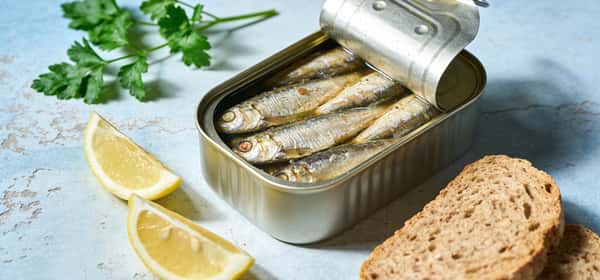
Quick answer: Sardines are small, oily fish packed with omega-3 fatty acids (EPA and DHA), high-quality protein, calcium (from their soft, edible bones), vitamin D, vitamin B12, and selenium. Eating oily fish like sardines is linked to a lower risk of heart disease. Because they’re small and short-lived, they’re very low in mercury — a big advantage over large predatory fish. They’re also cheap, sustainable, and convenient (canned works great). The main cautions are sodium in some canned/flavored versions and purines for people prone to gout. For most people, sardines are one of the best-value health foods available.
What makes sardines so nutritious
Sardines are nutritional overachievers because you eat the whole little fish — flesh, soft bones, and all — so you get a fuller spectrum of nutrients than you would from a fillet of larger fish.
Choose your goal and get a meal plan full of foods you actually like.
Powered by DietGenie Eat healthy
 Lose weight
 Gain muscles
 Explore new cuisines
A serving of sardines delivers:
- Omega-3 fatty acids (EPA and DHA) — the long-chain omega-3s most strongly linked to health benefits, and hard to get from plants.
- High-quality complete protein — keeping you full and supporting muscle.
- Calcium — uniquely, from the soft, edible bones, making sardines one of the few non-dairy animal calcium sources. See calcium-rich foods.
- Vitamin D — one of the few foods that naturally contains a meaningful amount; see high vitamin D foods.
- Vitamin B12 — important for nerves and blood, and lacking in many diets; see high vitamin B12 foods.
- Selenium — an antioxidant mineral that also helps offset trace mercury.
That’s a remarkable amount of nutrition packed into a small, inexpensive package.
The heart and brain benefits
Sardines’ headline benefit comes from their omega-3 content, which has some of the best evidence in nutrition.
Heart health: Eating oily fish is associated with a lower risk of fatal heart disease. A review of the evidence found that eating fish about once a week was linked to a 16% lower risk of fatal coronary heart disease, and dietary guidelines recommend fatty fish like sardines for both preventing and managing heart disease.1 A large pooled analysis of more than 50,000 people also found that higher omega-3 levels were associated with a lower risk of atrial fibrillation, supporting the safety and benefit of regular dietary omega-3.2
Brain and beyond: The EPA and DHA in sardines are building blocks for your brain and are involved in reducing inflammation. Oily fish is a staple of the Mediterranean dietary pattern that’s consistently linked to better long-term health. For the broader omega-3 picture, see our omega-3 benefits and high omega-3 foods guides.

The mercury advantage
Here’s a benefit that often gets overlooked: sardines are low in mercury, which sets them apart from many other fish.
Mercury accumulates up the food chain, so large, long-lived predatory fish (like shark, swordfish, and king mackerel) build up the most. Sardines are the opposite — they’re small, short-lived, and eat low on the food chain (mostly plankton), so they accumulate very little. Balancing the real benefits of fish against contaminant concerns means choosing the right species, and small oily fish are among the safest choices on that front.3
This is why sardines are such a smart pick: you get the full omega-3 benefit of oily fish with minimal mercury worry — the best of both worlds.
Suggested read: Organ Meats: Benefits, Nutrition & How to Start
Cheap, sustainable, and convenient
Beyond nutrition, sardines win on practicality:
- Affordable. A tin of sardines costs a fraction of a salmon fillet, making them one of the cheapest ways to get omega-3 and protein.
- Sustainable. As small, fast-reproducing fish low on the food chain, sardines are generally a more environmentally sustainable choice than many larger fish.
- Convenient and shelf-stable. Canned sardines need no cooking, keep for ages, and are ready to eat — ideal for a quick, nutritious meal.
We compare them directly to the more famous oily fish in sardines vs salmon.
How to eat sardines
If the idea of sardines straight from the tin doesn’t thrill you, there are easy ways in:
- On toast with a squeeze of lemon, mustard, or hot sauce.
- Mashed into a salad or on crackers, like a tinned-fish version of tuna.
- Added to pasta with garlic, chili, and tomato (a classic).
- Choose your tin wisely: sardines in olive oil or water are simplest; watch the sodium on heavily flavored versions.
- Eat the bones — they’re soft, edible, and where the calcium is.
Fresh sardines are also delicious grilled, if you can find them.
The honest cautions
Sardines are healthy for most people, but a few notes:
- Sodium. Canned and especially flavored sardines can be high in salt — check the label and rinse if needed.
- Purines and gout. Sardines are high in purines, so people prone to gout or with high uric acid may want to limit them.
- Taste. They’re strongly flavored; if you’re not a fan, anchovies or milder white fish may suit you better.
For most people, none of these outweigh the benefits — they’re just worth knowing.
Suggested read: Sardines vs Salmon: Which Fish Is Healthier?
The bottom line
Sardines earn their superfood reputation honestly. They pack omega-3s, complete protein, calcium from their edible bones, vitamin D, and B12 into a tiny, cheap, sustainable package — and because they’re small and short-lived, they carry far less mercury than big predatory fish. Eating oily fish like sardines is linked to real heart-health benefits, making them one of the best nutritional values you can buy.
If you’ve been overlooking that tin in the cupboard, it’s worth a second look. Eat them on toast, in a salad, or tossed through pasta a couple of times a week, mind the sodium and purines if relevant, and you’ve added one of the most nutrient-dense, affordable health foods to your routine. Few foods deliver this much for so little. Next, see how they stack up against other small oily fish like anchovies, mackerel, and herring.
Kromhout D. Omega-3 fatty acids and coronary heart disease. The final verdict? Curr Opin Lipidol. 2012;23(6):554-559. PubMed ↩︎
Qian F, Tintle N, Jensen PN, et al. Omega-3 Fatty Acid Biomarkers and Incident Atrial Fibrillation. J Am Coll Cardiol. 2023;82(4):336-349. PubMed ↩︎
Domingo JL. Omega-3 fatty acids and the benefits of fish consumption: is all that glitters gold? Environ Int. 2007;33(7):993-998. PubMed ↩︎