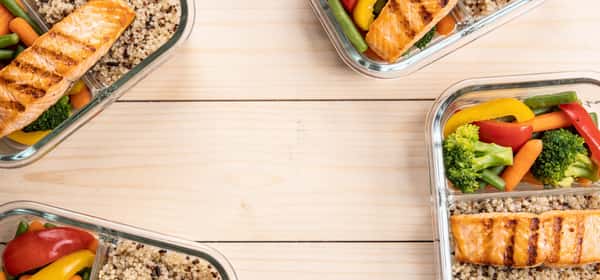
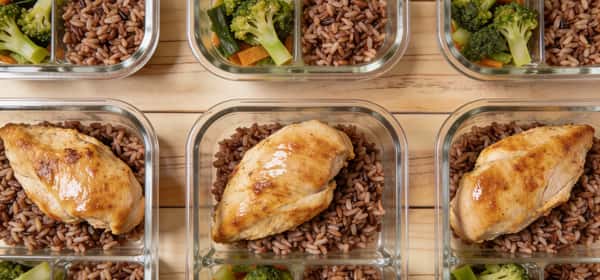
Understanding the renal diet in theory is one thing; knowing what to actually cook on a Tuesday night is another. So here’s a kidney-friendly meal plan you can follow — a full week of meals built to be lower in sodium, potassium, and phosphorus, using everyday food. Think of it as a starting template you and your dietitian can adjust to your own numbers.
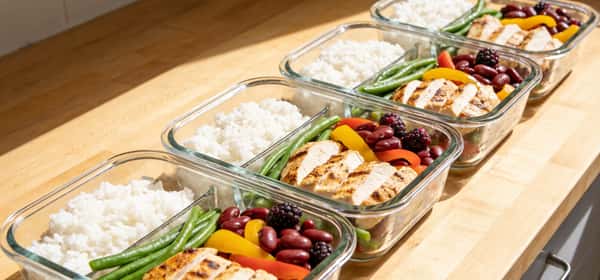
Quick answer: A renal diet meal plan keeps sodium, potassium, and phosphorus moderate while providing steady, good-quality protein. That means cooking from scratch (to dodge the sodium and phosphate additives in processed food), leaning on lower-potassium fruits and vegetables, and using simple tricks like leaching high-potassium vegetables. The 7-day plan below shows how it comes together. One essential caveat: your exact limits depend on your CKD stage and lab results, so treat this as a template to personalize with a renal dietitian — not a fixed prescription.1
Before you start: personalize it
This plan assumes moderate restrictions typical of stage 3–4 CKD that isn’t yet on dialysis. Your needs may differ:
What you eat matters for your kidneys. Choose your goal and get your plan.
Powered by DietGenie Eat healthy
 Lose weight
 Gain muscles
 Explore new cuisines
- Early-stage CKD usually doesn’t need potassium or phosphorus limits at all — just lower sodium and generally healthy eating.
- On dialysis, your protein needs are higher, and fluid limits often apply.
- Your labs rule. If your potassium or phosphorus runs high or low, the plan changes.
So use the framework and swap freely within it. The goal is to show you the shape of kidney-friendly meals.
The 7-day kidney-friendly plan
Day 1 — Breakfast: scrambled eggs with white toast and a small apple. Lunch: chicken and cucumber sandwich on white bread with a side salad. Dinner: baked cod, white rice, and steamed green beans. Snack: a handful of red grapes.
Day 2 — Breakfast: oatmeal made with rice milk, topped with blueberries. Lunch: turkey and lettuce wrap with bell peppers. Dinner: grilled chicken, couscous, and roasted zucchini. Snack: unsalted popcorn.
Day 3 — Breakfast: white bagel with a scrape of cream cheese and strawberries. Lunch: tuna salad (made with fresh, low-sodium mayo) on white bread. Dinner: pork tenderloin, white pasta with olive oil and herbs, and a green salad. Snack: an apple.
Day 4 — Breakfast: cornflakes with rice milk and half a peach. Lunch: chicken noodle soup (homemade, low-sodium) with white crackers. Dinner: baked salmon, white rice, and sautéed cabbage. Snack: a few unsalted pretzels.
Day 5 — Breakfast: two eggs with sautéed onions and white toast. Lunch: pasta salad with chicken, cucumber, and peppers. Dinner: stir-fried chicken and mixed low-potassium vegetables over white rice. Snack: blueberries.
Day 6 — Breakfast: pancakes (homemade) with a little honey and raspberries. Lunch: egg salad sandwich on white bread with grapes. Dinner: grilled shrimp, white rice, and steamed carrots. Snack: unsalted popcorn.
Day 7 — Breakfast: cream of wheat with sliced strawberries. Lunch: roast chicken with a white roll and green salad. Dinner: baked turkey meatballs (no added salt) with white pasta and zucchini. Snack: an apple.
Throughout: drink to your fluid target (ask your team if you have one), season with herbs, spices, lemon, and garlic instead of salt, and keep portions of protein moderate rather than large.
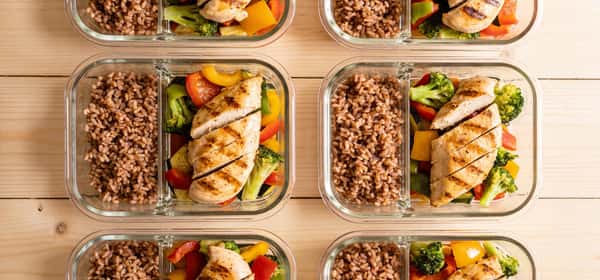
The kidney-friendly grocery list
- Grains: white bread, white rice, white pasta, couscous, cornflakes, cream of wheat
- Lower-potassium fruit: apples, berries, grapes, peaches, strawberries, pineapple
- Lower-potassium veg: green beans, cabbage, cucumber, bell peppers, zucchini, carrots (in moderation), onions, lettuce
- Protein: eggs, chicken, turkey, fish, shellfish, lean pork
- Extras: olive oil, unsalted herbs and spices, lemon, garlic, rice or almond milk (unenriched)
Notice what’s not here: canned soups, deli meats, processed cheese, cola, and boxed mixes — the big sources of sodium and phosphate additives.
Suggested read: A Diverticulitis Diet Meal Plan
Three cooking tricks that make it work
1. Cook from scratch to beat the additives
The single biggest win on a renal diet is sidestepping processed food. Phosphate additives in processed meats, cheeses, and sodas are absorbed far more completely than the phosphorus naturally in food, and they’re often not even listed with a number on the label.2 Sodium hides in the same products. Cooking simple meals from raw ingredients cuts both at once.
2. Leach high-potassium vegetables
If you love potatoes or other higher-potassium vegetables, you don’t have to give them up entirely — you can lower their potassium by leaching. Peel and cut them small, soak in plenty of water for a few hours, then boil in fresh water. It pulls a meaningful share of the potassium out into the water (which you discard). It’s a standard renal-dietitian trick that buys you more variety.
3. Read labels for “PHOS”
Scan ingredient lists for anything with “phos” in it — sodium phosphate, phosphoric acid, and similar additives. These are the readily-absorbed phosphorus sources worth avoiding. Choosing fresh over processed does most of this automatically.
Match it to your numbers
The meals above are a template, not a rulebook. Bend them to fit you:
- Swap within groups. Trade one lower-potassium fruit or vegetable for another you prefer.
- Right-size the protein. Your dietitian will set a protein target based on your stage — and it’s higher on dialysis than off it.
- Mind added restrictions. If you have a fluid limit or need to watch a specific mineral, adjust accordingly.
For the full reasoning behind these choices, see the pillar guide to the renal diet, and dig into the specifics with our lists of low-potassium foods and low-phosphorus foods.
A plan built around your own tastes, stage, and lab results is far easier to stick with — which is exactly what a personalized plan offers.
Suggested read: The Renal Diet: A Complete Guide for Kidney Disease
The bottom line
A renal diet meal plan is really a set of habits: cook from scratch to dodge sodium and phosphate additives, lean on lower-potassium fruits and vegetables, keep protein moderate and good-quality, and use tricks like leaching to keep variety on the table. The 7-day plan above shows how ordinary, satisfying meals can fit the brief — but your exact potassium, phosphorus, protein, and fluid targets depend on your stage and your bloodwork. Use this as your template, personalize it with a renal dietitian, and cooking for your kidneys stops feeling like a list of restrictions and starts feeling like a routine you can actually live with.
Ikizler TA, Burrowes JD, Byham-Gray LD, et al. KDOQI Clinical Practice Guideline for Nutrition in CKD: 2020 Update. Am J Kidney Dis. 2020;76(3 Suppl 1):S1-S107. PubMed ↩︎
St-Jules DE, Jagannathan R, Gutekunst L, Kalantar-Zadeh K, Sevick MA. Examining the proportion of dietary phosphorus from plants, animals, and food additives excreted in urine. J Ren Nutr. 2017;27(2):78-83. PubMed ↩︎