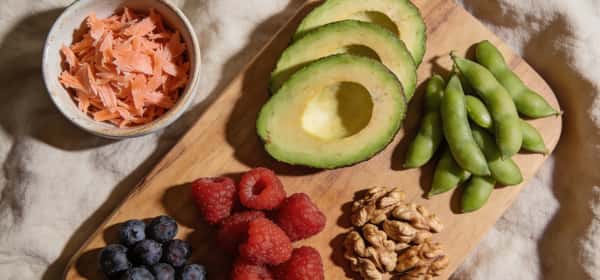
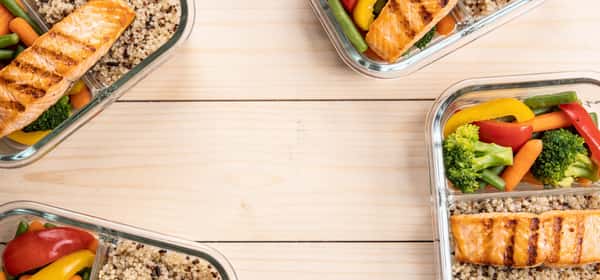
The PCOS diet is one of those topics where everyone has an opinion and most of them are based on individual experience rather than research. Keto, paleo, low-carb, Mediterranean, anti-inflammatory, dairy-free — all get marketed as “the” PCOS diet. The actual research is more nuanced and surprisingly clear about one thing: the DASH diet has the strongest evidence, followed closely by the Mediterranean pattern. Both work mostly by improving insulin sensitivity, which addresses the metabolic driver of PCOS.
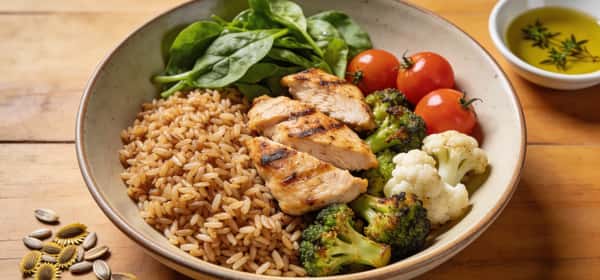
This guide covers what a 2024 network meta-analysis of dietary interventions actually found, what to eat in practice, and how to navigate the noise.
Quick answer
Based on a 2024 network meta-analysis ranking 10 different dietary approaches for PCOS:1
Skip one-size-fits-all diets. Choose your goal and get your plan.
Powered by DietGenie Lose weight
 Gain muscles
 Eat healthy
 Explore new cuisines
| Outcome | Best dietary intervention |
|---|---|
| Insulin resistance | DASH diet (best) |
| Fasting blood glucose | DASH |
| Fasting insulin | DASH |
| Triglycerides | DASH |
| BMI reduction | Low-calorie diet |
| Weight loss | Low-calorie + metformin |
| LDL cholesterol | Metformin (best); low-carb second |
| Testosterone reduction | Metformin (best) |
Practical takeaway: A DASH-style or Mediterranean-style anti-inflammatory diet, in mild caloric deficit if weight loss is appropriate, hits most metabolic targets. Specific food rules matter less than the overall pattern.
What the research actually shows
A 2024 systematic review and Bayesian network meta-analysis examined 19 randomized controlled trials covering 727 women with PCOS across 10 dietary interventions plus metformin.1 The DASH diet (Dietary Approaches to Stop Hypertension) ranked highest across multiple metabolic outcomes:
- HOMA-IR (insulin resistance score): DASH ranked first (SUCRA 92.3%)
- Fasting blood glucose: DASH ranked first (SUCRA 85.9%)
- Fasting insulin: DASH ranked first (SUCRA 79.7%)
- Triglycerides: DASH ranked first (SUCRA 82.1%)
DASH outperformed low-carb, Mediterranean, ketogenic, and other approaches for most metabolic markers. The Mediterranean diet was close behind DASH in most rankings.
This is striking because DASH wasn’t designed for PCOS — it was originally developed for blood pressure. But it turns out that the same dietary pattern that helps blood pressure (rich in vegetables, fruits, whole grains, low-fat dairy, lean proteins, nuts, limited red meat and sweets) addresses many of the same underlying mechanisms that drive PCOS.
Why diet matters for PCOS
Diet works in PCOS primarily through insulin sensitivity. The mechanism:
- PCOS involves insulin resistance in 50–70% of women, even those who aren’t overweight
- Insulin resistance → high insulin → more ovarian androgen production → worse PCOS symptoms
- Diet that improves insulin sensitivity reduces the metabolic driver of the syndrome
This is why diets specifically targeting refined carbs and processed foods work — they reduce the insulin spike-and-crash pattern that worsens the underlying metabolic dysfunction.
For the broader insulin picture: insulin and insulin resistance, how to improve insulin sensitivity, and how to lower insulin levels.
The DASH approach applied to PCOS
The DASH diet emphasizes:
What to eat more of
- Vegetables (4–5 servings/day) — especially leafy greens, cruciferous, brightly colored
- Fruits (4–5 servings/day) — particularly berries, citrus, apples
- Whole grains (6–8 servings/day) — oats, brown rice, quinoa, whole-grain bread
- Lean proteins (2 or fewer servings/day) — fish, poultry, eggs
- Legumes (4–5 servings/week) — lentils, chickpeas, beans
- Low-fat dairy (2–3 servings/day) — Greek yogurt, milk, cheese
- Nuts and seeds (4–5 servings/week)
What to reduce
- Added sugars — especially sugar-sweetened beverages
- Refined carbs — white bread, white rice, processed cereals
- Red and processed meat — limit to 1–2 servings/week
- Sodium — though this matters less specifically for PCOS than for blood pressure
- Saturated fat — moderate
- Alcohol — moderate
This is essentially a Mediterranean diet with slightly different emphasis on dairy and lower sodium. The Mediterranean diet (more olive oil, more fish, slightly different sodium profile) performed almost as well in the meta-analysis.
Suggested read: Endometriosis Diet: Foods to Eat and Foods to Avoid
What the meta-analysis didn’t say
Worth noting what wasn’t shown:
- Keto wasn’t the top performer. Despite popularity, ketogenic diets didn’t outperform DASH or Mediterranean for most metabolic markers in the meta-analysis.
- Low-carb beat low-fat for cholesterol specifically, but not for insulin resistance or weight.
- Severe calorie restriction wasn’t necessary. DASH typically isn’t a calorie-restricted diet; it produced metabolic improvements through composition alone.
- No single “PCOS-specific” food rules emerged — patterns matter more than individual foods.
Practical implementation
If you want to follow the evidence rather than the noise, a practical PCOS-friendly dietary template:
Breakfast
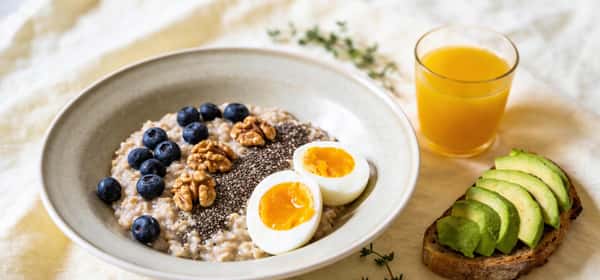
- Steel-cut oats with berries, walnuts, and Greek yogurt
- Vegetable omelet with whole-grain toast and avocado
- Smoothie: spinach, banana, berries, protein powder, ground flaxseed, milk
Lunch
- Large salad with leafy greens, chickpeas, vegetables, grilled chicken or salmon, olive oil + lemon
- Grain bowl: quinoa or farro + roasted vegetables + lean protein + tahini dressing
- Lentil soup + whole-grain bread + side salad
Dinner
- Salmon + roasted broccoli + sweet potato + green salad
- Chicken thighs + brown rice + sautéed greens + roasted peppers
- Bean chili + whole-grain bread + side salad
Snacks
- Apple + almond butter
- Greek yogurt + berries
- Hummus + vegetable sticks
- Hard-boiled eggs
- Nuts and seeds
- Cottage cheese with fruit
Specific food considerations
Carbohydrates: quality over restriction
You don’t need to go very low-carb to manage PCOS — the meta-analysis didn’t show low-carb as superior to DASH. What matters more:
- Glycemic load: choose whole grains over refined
- Fiber content: aim for 25–35 g/day
- Pair carbs with protein, fat, fiber: reduces insulin response
- Timing: spread carbs across the day rather than concentrated meals
If you have a meaningful preference for low-carb, that’s fine — it’s not bad for PCOS, just not dramatically superior to other patterns.
Suggested read: Spearmint Tea for PCOS: Dose, Evidence, and Timeline
Protein: adequate, not excessive
- 1.0–1.5 g/kg body weight is reasonable for most women with PCOS
- Higher protein (~1.5–2.0 g/kg) supports satiety and lean mass maintenance during weight loss
- Plant proteins (legumes, tofu, tempeh) and animal proteins (fish, chicken, eggs) both work
Fats: emphasize healthy sources
- Olive oil for cooking and dressing
- Fatty fish 2–3 times a week (omega-3 anti-inflammatory)
- Nuts and seeds daily
- Avoid trans fats
- Limit fried foods
Dairy: full picture is nuanced
Popular PCOS content often recommends going dairy-free, but the evidence is mixed:
- The DASH diet specifically includes low-fat dairy and performs best in the meta-analysis
- Some women with PCOS find dairy worsens acne — likely related to insulin-like growth factor effects
- Yogurt and fermented dairy may be better tolerated than milk for some
If you have specific issues with dairy (acne, GI symptoms), elimination for 4–6 weeks with structured reintroduction is reasonable. Don’t preemptively eliminate without testing.
Sugar and sweeteners
- Reduce added sugar significantly — this is the single highest-impact food change for PCOS
- Sugar-sweetened beverages: largely eliminate
- Artificial sweeteners: probably fine in moderation; evidence on glucose effects is mixed
- Natural sweeteners (honey, maple syrup): better than refined sugar but still limit
Weight and PCOS: a brief honest take
For women with PCOS who are overweight, 5–10% weight loss can restore ovulation in a meaningful fraction of cases. But:
- Not all women with PCOS need weight loss
- Severe restriction often backfires (rebound, hormonal disruption)
- Sustainable, modest deficits (300–500 kcal/day below maintenance) work better than aggressive ones
- Slow weight loss (0.5–1 lb/week) is appropriate
- Focus on body composition and metabolic markers, not just scale weight
For the broader weight piece: how to lose weight with PCOS. The metabolic improvements from DASH or Mediterranean often come without significant weight loss — diet composition matters independent of calories.
Foods that get over-recommended for PCOS
Some popular PCOS diet rules don’t have strong evidence:
- “No coffee for PCOS” — most evidence doesn’t show meaningful effects of moderate coffee on PCOS
- “No fruit for PCOS” — most fruit has been shown to improve metabolic markers; berries, apples, citrus particularly
- “All grains cause inflammation” — whole grains in DASH and Mediterranean patterns improve PCOS markers
- “Gluten-free for PCOS” — no evidence unless you also have celiac or non-celiac gluten sensitivity
- “Inositol replaces a diet” — see inositol for PCOS; useful but not a substitute
Adjuncts that complement the diet
- Resistance training + aerobic exercise — improves insulin sensitivity beyond diet alone
- Sleep — sleep deprivation worsens insulin resistance; protect 7+ hours
- Stress management — chronic cortisol elevation undermines metabolic gains
- Inositol supplementation — has independent evidence for PCOS
- Vitamin D correction — if deficient
- Other PCOS supplements — see for the broader supplement landscape
What to expect on timeline
PCOS dietary changes work, but they take time:
- Week 2–4: Energy stabilizes; food cravings reduce
- Month 1–3: Fasting insulin and HOMA-IR start improving (measurable on bloodwork)
- Month 3–6: Many women see menstrual cycle improvements; some restore ovulation
- Month 6–12: Acne and hair growth changes are typically slower; allow 6+ months
- Month 12+: Sustained improvements in metabolic markers; long-term risk reduction
Don’t expect dramatic changes in 2–4 weeks. PCOS responds to consistent, sustained changes over months.
Suggested read: Fertility Diet: What Works for Trying to Conceive
When to add medical treatment
Diet works, but isn’t always enough alone. Consider medical management if:
- Cycles remain irregular after 6+ months of consistent dietary changes
- Trying to conceive without success
- Significant androgen symptoms not responding to lifestyle changes
- Insulin resistance is severe
- Worsening metabolic markers despite effort
Metformin is the most studied medication for the metabolic side of PCOS. Combined oral contraceptives or anti-androgens may be added for symptomatic management. Inositol supplementation is a reasonable adjunct that some women prefer to start with — see inositol for PCOS.
Bottom line
The strongest evidence-backed PCOS diet is the DASH diet — vegetables, fruits, whole grains, lean proteins, low-fat dairy, nuts, limited red meat and refined carbs. The Mediterranean diet performs almost as well. Both work primarily by improving insulin sensitivity, which addresses the metabolic driver of PCOS. Specific food rules (no dairy, no gluten, low-carb only) are less important than the overall pattern. Allow 3–6 months for visible improvements in cycles and metabolic markers. Combine diet with regular exercise (resistance + aerobic), adequate sleep, and stress management. Add medical treatment or specific supplements like inositol for PCOS and PCOS supplements when needed. For the broader cause picture: what causes PCOS.