Oatzempic might be the most viral weight-loss drink of the moment — a blended mix of oats, water, and lime juice with a name engineered to ride Ozempic’s coattails. TikTok is full of people claiming it melted away dramatic amounts of weight in weeks. So what’s actually in the glass, and does it do anything the name implies? The short version: it’s a fine, fiber-rich drink that can help a little, and a wildly oversold one that has nothing to do with the drug it’s named after. Here’s the honest breakdown.
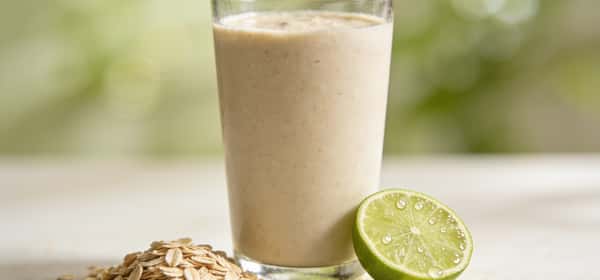
Quick answer: Oatzempic is a homemade drink of about half a cup of rolled oats blended with water and lime juice (sometimes cinnamon). It has zero connection to Ozempic (semaglutide) — the name is pure marketing. What it actually does is deliver beta-glucan, a soluble fiber in oats that expands in your stomach, slows digestion, and helps you feel full, while being low in calories. That can modestly curb appetite and help you eat less, which is genuinely useful. But the dramatic “lost 40 pounds” claims come from extreme calorie restriction (often using it as a meal replacement), not from any drug-like effect. It’s a healthy-ish drink, not a miracle.
What oatzempic actually is
There’s no secret ingredient — oatzempic is exactly what it sounds like:
Choose your goal and get a meal plan that makes losing weight simpler.
Powered by DietGenie Lose weight
 Gain muscles
 Eat healthy
 Explore new cuisines
- ~½ cup rolled oats
- 1 cup water
- Juice of half a lime (for taste)
- Sometimes a pinch of cinnamon
Blend it all up and drink it, usually first thing in the morning or before a meal. That’s the entire “formula.” The name fuses “oat” and “Ozempic,” which is clever branding and nothing more — there is no semaglutide, no GLP-1 drug, nothing pharmaceutical in it. It’s a fiber drink with a viral nickname.
How it actually works
Strip away the name and oatzempic does have a real, if modest, mechanism — and it comes down to the fiber in oats.
Oats are rich in beta-glucan, a viscous, soluble fiber. When you drink it, that fiber does a few useful things:
- Expands and thickens in your stomach, taking up space and promoting a feeling of fullness.
- Slows digestion and stomach emptying, so you stay satisfied longer and avoid sharp hunger.
- Triggers satiety signals. Viscous, soluble fibers delay how fast food moves through the gut and stimulate fullness hormones like CCK; research on viscous fiber shows it can cut between-meal calorie intake by around 20%.1
On top of that, the drink is low in calories and filling, so if it replaces a higher-calorie breakfast, you eat fewer calories overall. That’s the whole effect: more fullness, fewer calories. It’s the same reason any high-fiber food helps with appetite — oatzempic just blends it into a drink.
Does it actually cause weight loss?
This is where you need a clear head. Oatzempic can support weight loss, but not the way the viral videos imply.
The realistic mechanism: it makes you feel full on few calories, so you naturally eat less. Over time, eating less leads to weight loss. That’s legitimate — but it’s just calorie reduction via fiber, the same as eating a bowl of oatmeal.
The unrealistic claims: the jaw-dropping “I lost 40 pounds in two months” stories almost always involve using oatzempic as a meal replacement once or twice a day, which slashes total calories dramatically. The weight loss comes from the severe calorie deficit, not from the oats having a drug-like power. And replacing meals with a thin oat drink isn’t a balanced or sustainable way to eat — it can leave you short on protein and nutrients.
So: a helpful, filling, fiber-rich drink? Sure. A “natural Ozempic”? Not even close — see natural Ozempic for why no food matches the drug.
A reasonable way to use it
If you like it, oatzempic is fine to enjoy — just use it sensibly:
- As a filling snack or part of breakfast, not as a full meal replacement.
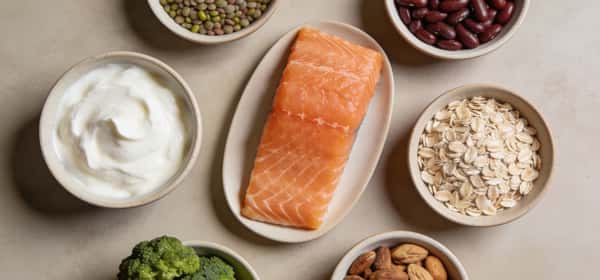
- Add protein to make it more balanced and satisfying — blend in Greek yogurt or a scoop of protein, since protein is even more satiating than fiber.
- Don’t rely on it as a weight-loss strategy by itself; it’s one small, optional tool.
- Build the basics around it: a diet centered on protein, fiber, and filling foods does far more than any single drink.
Oatzempic vs a bowl of oatmeal
Here’s a question worth asking: is the drink actually better than just eating oats? Not really — and in some ways it’s worse.
A bowl of oatmeal gives you the same beta-glucan fiber, but you can top it with protein (Greek yogurt, eggs on the side), nuts, and fruit, turning it into a balanced, genuinely filling meal. Blended oatzempic, by contrast, is thinner, easy to gulp down quickly, and usually eaten alone — which means less chewing, less satisfaction, and no protein. Chewing and eating slowly are part of how your body registers fullness, so a drink you down in 20 seconds may satisfy you less than the same oats eaten as a meal.
The takeaway: if you like oats for appetite control, eating them as food — ideally with protein — is usually the smarter move than blending them into a viral drink. The drink isn’t doing anything the bowl can’t.
Who should be careful
- Fiber ramp-up: a sudden jump in fiber can cause bloating, gas, or cramping. Start small and drink plenty of water.
- Blood sugar medications: soluble fiber can affect how you absorb food and medications — if you take any, check with your doctor or pharmacist.
- Not a balanced meal: oats and lime alone lack protein and many nutrients, so don’t let it crowd out real meals.
- Raw oats: some people find raw blended oats hard to digest; soaking them first, or using quick oats, can make the drink gentler on your stomach.
Suggested read: Natural Ozempic Drinks: Which Ones Actually Help?
The bottom line
Oatzempic is a viral name slapped onto a simple fiber drink. There’s no semaglutide, no GLP-1 medication, and no magic — just blended oats whose beta-glucan fiber expands in your stomach, slows digestion, and helps you feel full on few calories. That can genuinely, if modestly, curb your appetite and support eating less, which is a real benefit.
The catch is that the dramatic transformation stories come from using it to skip meals and crash your calories, not from any Ozempic-like effect — and that’s neither balanced nor sustainable. Enjoy oatzempic as a filling, fiber-rich snack if you like it (ideally with some protein added), but treat the name as marketing. If you find it convenient and it helps you reach for fewer snacks, that’s a perfectly good reason to keep it around — just don’t expect it to do the heavy lifting on its own. For the wider trend and what actually works, see does natural Ozempic work.