“Natural Ozempic” might be the most clicked-on phrase in weight-loss content right now. Oat drinks, berberine, apple cider vinegar, chia water — they all get crowned “nature’s Ozempic” by someone with a ring light and an affiliate link. It’s a brilliant hook, because it promises the results of a powerful medication without the prescription, the cost, or the needle. The honest answer is more nuanced than either the hype or the eye-rolls: no food replicates the drug, but some genuinely work with the same appetite system your body already runs. Here’s the real story.
This is educational information, not medical advice. Ozempic (semaglutide) is a prescription medication. “Natural” alternatives are foods and supplements, not equivalents, and aren’t a substitute for medical care. Talk to your doctor about weight management.
Quick answer: “Natural Ozempic” is a marketing metaphor, not a real category. No food, drink, or supplement comes close to matching semaglutide, which is a potent drug that produces roughly 10–15% body-weight loss in trials. But the metaphor isn’t entirely empty: your body makes its own appetite-regulating hormone (GLP-1), and certain nutrients — especially protein, soluble fiber, and healthy fats — genuinely stimulate it and increase fullness. So the foods labeled “natural Ozempic” can modestly curb appetite and help you eat less. They just do it gently, by supporting normal biology, not by mimicking a drug.
Choose your goal and get a meal plan that makes losing weight simpler.
Powered by DietGenie Lose weight
 Gain muscles
 Eat healthy
 Explore new cuisines
Where the “natural Ozempic” idea comes from
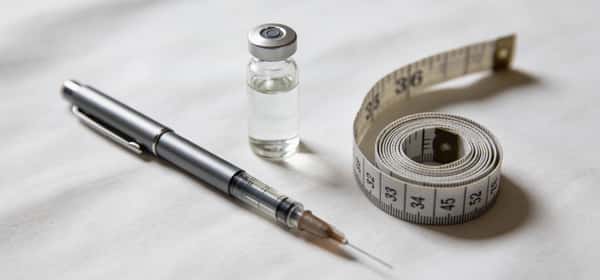
Ozempic and Wegovy contain semaglutide, which belongs to a class of drugs called GLP-1 receptor agonists. They work by mimicking GLP-1 (glucagon-like peptide-1) — a hormone your gut naturally releases after you eat that tells your brain you’re full and slows down how fast your stomach empties.
Here’s the key fact the trend is built on: you already make GLP-1. Your gut releases it in response to food. The drug just floods the system with a long-acting, far more powerful version. So the logical question people ask is: if food triggers GLP-1, can the right foods boost it enough to get a “natural” version of the effect?
The science says foods do stimulate your own GLP-1 and other fullness hormones — that’s well established.1 The catch is the size of the effect, which is where hype and reality part ways.
The honest reality check
Let’s be clear about the gap, because it’s large. In clinical trials, semaglutide produces dramatic, sustained weight loss — in one study, people lost over 10% of their body weight in the first 20 weeks alone, and kept losing on the drug (while those switched to placebo regained it).2 That’s a pharmaceutical-grade effect.
No oat drink does that. The natural options work through your normal appetite signals, which the drug overrides at a much higher intensity. So the realistic framing is:
- Foods and drinks can nudge your appetite down and help you eat a bit less.
- They cannot replicate the powerful, appetite-crushing effect of the actual medication.
- The honest benefit is that they make a sensible diet easier to stick to — which is genuinely useful, just not magic.
If you keep that scale in mind, you won’t be disappointed, and you also won’t dismiss the real (if modest) value.
What actually has some merit
Stripped of hype, here’s what genuinely works with your appetite biology:
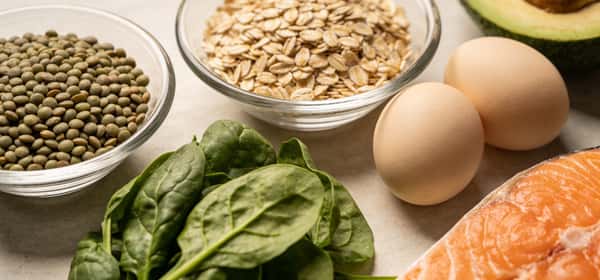
- Protein. The most satiating macronutrient — it stimulates fullness hormones and keeps you satisfied longer. See high-protein foods.
- Soluble and viscous fiber. Fiber slows digestion, stretches the stomach, and triggers satiety signals like CCK; viscous fibers can meaningfully cut between-meal calorie intake.3 This is the real engine behind most “natural Ozempic” drinks — see high-fiber foods and how fiber helps you lose weight.
- Healthy fats. Fats also trigger gut fullness signals and slow stomach emptying, which is why a bit of fat with a meal helps satisfy you.
- High-volume, filling foods. Foods that fill you up for few calories (think non-starchy vegetables) help you eat less without feeling deprived — see filling foods.
Notice the theme: these aren’t exotic. They’re the basics of an appetite-friendly diet, repackaged with a viral name. The science of how your gut controls hunger and fullness is what they all tap into.1
The viral candidates, rated honestly
| “Natural Ozempic” | What’s actually going on | Verdict |
|---|---|---|
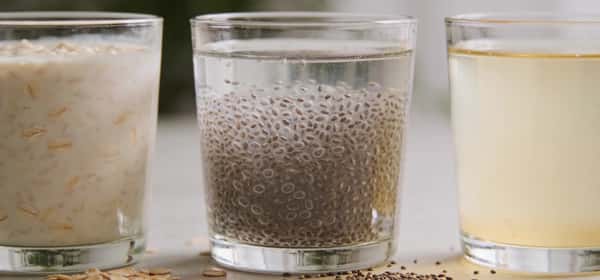
| Oatzempic (oat + lime drink) | Beta-glucan fiber + filling volume + low calories | Modest, via fiber — not magic. See oatzempic |
| Berberine (“nature’s Ozempic”) | A supplement with real metabolic effects | Some evidence, far weaker than the drug — see berberine for weight loss |
| Apple cider vinegar | Small effects on appetite/blood sugar | Minor at best — see apple cider vinegar for weight loss |
| Chia / psyllium / glucomannan drinks | Viscous fiber that expands and fills you | The most legit mechanism, still modest |
So is “natural Ozempic” worth trying?
Yes, with the right expectations. The foods and drinks behind the trend are mostly healthy, cheap, and low-risk, and they can genuinely make you feel fuller and eat less. That’s a real, if gentle, help for weight management — and far more sustainable than chasing a miracle.
What they won’t do is replace medical treatment for someone who needs it, or melt away significant weight on their own. If you have a lot of weight to lose or a medical condition, talk to a doctor about whether actual GLP-1 medication is appropriate. And whatever you choose, the foundation is the same: an eating pattern built around protein, fiber, and filling foods.
Suggested read: Does Natural Ozempic Work? An Honest Look
The bottom line
“Natural Ozempic” is a clever name for an old idea: eat in a way that naturally curbs your appetite. There’s real biology underneath it — protein, fiber, and healthy fats genuinely stimulate your body’s own fullness hormones and help you eat less. But none of it comes close to the power of semaglutide, a drug that produces double-digit weight loss in trials by overriding your appetite far more forcefully than any food can.
Use the trend for what it’s actually good for: simple, sustainable habits that make a healthy diet easier to stick to. Skip the fantasy that a glass of blended oats equals a prescription medication. The genuinely useful move is to build your meals around the foods that fill you up — and if you want that done for you, a structured plan beats chasing the drink of the week.
Tack J, Verbeure W, Mori H, et al. The gastrointestinal tract in hunger and satiety signalling. United European Gastroenterol J. 2021;9(6):727-734. PubMed ↩︎ ↩︎
Rubino D, Abrahamsson N, Davies M, et al. Effect of Continued Weekly Subcutaneous Semaglutide vs Placebo on Weight Loss Maintenance in Adults With Overweight or Obesity: The STEP 4 Randomized Clinical Trial. JAMA. 2021;325(14):1414-1425. PubMed ↩︎
Rao TP. Role of guar fiber in appetite control. Physiol Behav. 2016;164(Pt A):277-283. PubMed ↩︎