You’ve probably seen both names floating around — a friend on Mounjaro for their blood sugar, a coworker who got Zepbound for weight loss. Then someone tells you they’re actually the same thing, and you’re left wondering why one drug has two brand names and which one you’re supposed to ask your doctor about. Here’s the short version, and then the details that actually matter.
This is educational information, not medical advice. Semaglutide (Ozempic, Wegovy, Rybelsus) and tirzepatide (Mounjaro, Zepbound) are prescription-only medicines that must be prescribed and supervised by a licensed clinician. Versions sold online as “research use only” are not FDA-approved for human use. Never start, change, or stop a dose on your own, and never source or self-inject these drugs outside of legitimate medical care. Talk to your doctor or pharmacist first, especially if you take other medications or have a health condition.
Quick answer: Mounjaro and Zepbound are the exact same medication — tirzepatide, made by Eli Lilly. Same molecule, same once-weekly injection, same way it works in your body. The only real difference is what each one is FDA-approved to treat. Mounjaro is approved for type 2 diabetes. Zepbound is approved for chronic weight management and obstructive sleep apnea. So when people compare them, they’re really comparing two labels on one drug, and the practical question becomes which approved use you fit and what your insurance will pay for.
Choose your goal and get a meal plan that makes losing weight simpler.
Powered by DietGenie Lose weight
 Gain muscles
 Eat healthy
 Explore new cuisines
Same drug, two names
Tirzepatide is the active ingredient in both. It’s what’s called a dual agonist, meaning it activates two different receptors in your body — GLP-1 and GIP. Most of the older weight and diabetes drugs in this family (think Ozempic and Wegovy) only hit the GLP-1 receptor. Tirzepatide hits both, which is part of why it tends to produce stronger results than the single-target options.
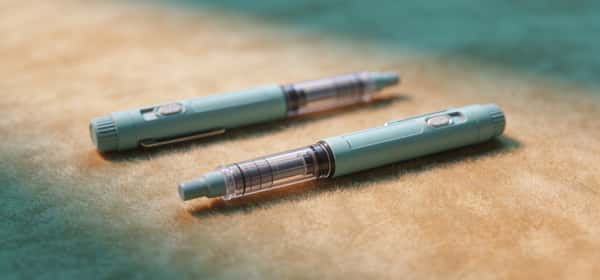
Both Mounjaro and Zepbound come as a once-weekly injection under the skin, and Lilly makes both. If you put a Mounjaro pen and a Zepbound pen side by side at the same dose, the medicine inside is identical. The brand split exists for regulatory and marketing reasons, not because the chemistry changed.
This is the same playbook Novo Nordisk used with semaglutide, which is sold as Ozempic for diabetes and Wegovy for weight loss. If that comparison interests you, we broke it down in Ozempic vs Wegovy, and the logic carries over almost exactly. One drug, two brands, two approved purposes.
The real difference: approved use
This is where Mounjaro and Zepbound actually diverge, and it’s worth understanding because it shapes everything from your prescription to your bill.
Mounjaro is approved to improve blood sugar control in adults with type 2 diabetes, used alongside diet and exercise. That’s its lane. Weight loss often happens as a welcome side effect for people taking it, but on paper it’s a diabetes medication.
Zepbound is approved for chronic weight management in adults with obesity (a BMI of 30 or higher) or who are overweight (a BMI of 27 or higher) with at least one weight-related condition like high blood pressure or high cholesterol. Zepbound also carries a second approval: moderate-to-severe obstructive sleep apnea in adults with obesity. So if your doctor is treating your weight or your sleep apnea, Zepbound is the brand that fits the label.
Why does the label matter so much if the drug is the same? Insurance. Coverage decisions follow approved indications. A plan that covers diabetes drugs will usually pay for Mounjaro without much fuss, while obesity coverage is more uneven — plenty of plans still treat weight-loss medication as optional or exclude it outright. Two people on identical tirzepatide can have wildly different out-of-pocket costs depending on which brand they were prescribed and why.
Suggested read: Wegovy vs Zepbound: Which Wins for Weight Loss?
Dosing is the same for both
Because it’s one molecule, the titration schedule is identical no matter which name is on the pen. You start low and step up slowly, which gives your gut time to adjust and keeps side effects more manageable.
The 2.5 mg starting dose is a ramp-up dose, not a treatment dose — it’s there to get your body used to the medication. From there, the dose increases no faster than every four weeks, moving through 5 mg, 7.5 mg, 10 mg, 12.5 mg, up to a maximum of 15 mg weekly. Not everyone climbs all the way to the top; many people find a dose that works for them and settle there.
We go deeper into the schedule, what each step does, and how to handle dose increases in our tirzepatide dosage guide. The key point here is that there’s nothing different about how you’d dose Mounjaro versus Zepbound — same numbers, same four-week minimum between bumps.
| Mounjaro | Zepbound | |
|---|---|---|
| Active drug | Tirzepatide | Tirzepatide |
| Maker | Eli Lilly | Eli Lilly |
| How it works | GLP-1 + GIP dual agonist | GLP-1 + GIP dual agonist |
| Form | Once-weekly injection | Once-weekly injection |
| FDA-approved for | Type 2 diabetes | Weight management; obstructive sleep apnea |
| Dose range | 2.5–15 mg weekly | 2.5–15 mg weekly |
| Insurance | Diabetes coverage usually easier | Obesity coverage more variable |
What the weight-loss evidence shows
Even though Mounjaro is technically the diabetes brand, the weight-loss results that made tirzepatide famous come from the same molecule, so they apply to both. The headline trial here is SURMOUNT-1, which followed adults with obesity (without diabetes) on tirzepatide for 72 weeks.
The results were strong across doses. People on the 5 mg dose lost about 15% of their body weight on average. At 10 mg, that climbed to roughly 19.5%. And at the top 15 mg dose, average weight loss reached about 20.9% — close to a fifth of starting body weight.1 For context, that’s in the range you’d usually associate with bariatric surgery, achieved with a weekly injection plus lifestyle changes.
A few honest caveats. These are averages, and individual results vary a lot — some people lose more, some less, and a small share don’t respond well at all. The numbers also reflect people who stayed on the medication; weight tends to come back if you stop, because the drug is managing an ongoing condition rather than curing it. And the trial paired the medication with diet and activity, not as a standalone fix.
Here’s a rough projection tool to play with the numbers based on where you’re starting:
Suggested read: Saxenda (Liraglutide): How the Daily Shot Works
GLP-1 Weight Loss Projection
If you want the bigger picture on how these drugs fit into weight loss generally — who they help, what realistic expectations look like — our overview on GLP-1 medications for weight loss is a good next read.
Side effects (also the same)
Identical drug, identical side-effect profile. The most common complaints with tirzepatide are gastrointestinal: nausea, diarrhea, constipation, and vomiting. These tend to be worst right after you start and around each dose increase, then ease off as your body adapts.2 Most people who stick with it find the rough patch is temporary, especially if doses go up slowly.
That slow titration isn’t just bureaucratic caution — it’s the main lever for keeping side effects tolerable. Going up too fast is a common reason people feel miserable and quit. There are also less common but more serious risks worth discussing with your doctor, including pancreatitis and gallbladder issues, plus a boxed warning about thyroid C-cell tumors based on animal studies. We cover the full range and how people manage the day-to-day stuff in our tirzepatide side effects breakdown.
Suggested read: Trulicity (Dulaglutide): Uses, Weight, Side Effects
So which one should you ask about?
You don’t really pick between Mounjaro and Zepbound the way you’d pick between two different products. You pick based on why you’d be taking tirzepatide in the first place, and your clinician matches the brand to the approved use:
- You have type 2 diabetes. Mounjaro is the brand built for that, and diabetes coverage is generally more straightforward.
- You’re focused on weight management (with a qualifying BMI) or you have obesity-related sleep apnea. Zepbound is the one approved for those uses.
- You have both diabetes and obesity. This is common, and it’s a real conversation to have with your doctor — the choice may come down to which indication your insurance covers more generously.
Cost and supply also play a role. Specific doses of tirzepatide have been in short supply at various points, so availability of a particular strength can influence what you actually end up filling, regardless of brand. Your prescriber and pharmacist will know the current situation in your area.
If you’re also weighing tirzepatide against semaglutide more broadly — not just the brand-name question — we compared the two molecules head to head in semaglutide vs tirzepatide. That’s the comparison that actually changes the drug, rather than just the label.
Bottom line
Mounjaro and Zepbound are the same medication, tirzepatide, from the same maker, taken the same way, with the same dosing and the same side effects. The difference is purely what each brand is approved to treat: Mounjaro for type 2 diabetes, Zepbound for weight management and sleep apnea. Because the drug is identical, the choice almost always comes down to which approved use fits your situation and what your insurance will cover — not which one is “better.” Bring your goals and your full health picture to your doctor, and let the approved use guide the brand. The medicine inside the pen is the same either way.