Stand in front of a shelf of matcha and you’ll see prices ranging from a few dollars to eye-watering, with labels like “ceremonial,” “premium,” and “culinary” thrown around freely. It’s confusing, and it’s made worse by the fact that these grades aren’t officially regulated — brands use them however they like. Still, there’s real meaning behind the quality differences, and learning to read the signs saves you from both overpaying and from buying bitter, dull matcha. Here’s how matcha grades actually work and how to choose well.
Quick answer: Matcha grades describe quality, not an official standard — so labels vary by brand. In general, ceremonial grade is the highest quality (made from the youngest, shade-grown leaves, vivid green, smooth enough to drink with just water), while culinary grade is more robust and slightly bitter, made for cooking, baking, and lattes where other flavors are present. “Premium” or “latte” grades sit in between. You can judge quality yourself by color (bright jade green is good; dull yellow-green is not), texture (fine and silky), origin (Japan), and price. Match the grade to your use. For matcha overall, see our matcha tea benefits guide.
Why grades exist (and why they’re fuzzy)
Matcha quality genuinely varies a lot, driven mainly by the leaves used and how the plant was grown. The best matcha comes from the youngest, most tender leaves of plants that were carefully shade-grown before harvest — shading boosts the L-theanine, chlorophyll, and catechins that give matcha its sweetness, color, and benefits.1 Lower grades use older, coarser leaves and less careful processing, producing a more bitter, duller powder.
Choose your goal and get a meal plan full of foods you actually like.
Powered by DietGenie Eat healthy
 Lose weight
 Gain muscles
 Explore new cuisines
The catch: there’s no official, legally enforced grading system. “Ceremonial” and “culinary” are marketing terms, and one brand’s “ceremonial” might be another’s “premium.” That means you can’t fully trust the label alone — you also have to learn the visual and sensory cues of quality, which we’ll cover below.
The common grades
Despite the fuzziness, the terms cluster into a rough hierarchy:
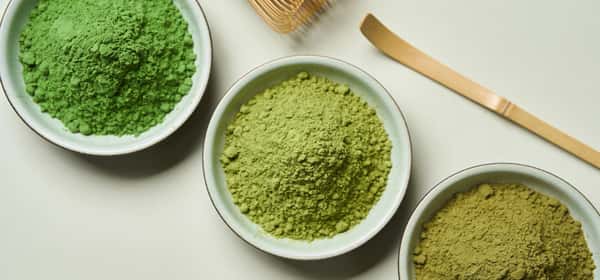
- Ceremonial grade — the top tier. Made from the first harvest of young, shade-grown leaves, stone-ground slowly. It’s vivid green, fine, naturally sweet and smooth, and meant to be drunk simply with hot water (as in the traditional tea ceremony). It’s the most expensive.
- Premium / latte grade — a step down, still good quality. A bit more robust in flavor, often marketed for everyday drinking or lattes where it can hold up against milk. A sensible value sweet spot for many people.
- Culinary grade — designed for cooking and baking. Made from later-harvest or coarser leaves, it’s stronger, more astringent, and slightly bitter — which is fine (even desirable) when blended into recipes, smoothies, or sweetened drinks, but harsh on its own.
Some brands add further tiers (ingredient grade, café grade, etc.), but these three cover the landscape.
Matcha grades at a glance
| Grade | Leaves | Color | Taste | Best for |
|---|---|---|---|---|
| Ceremonial | Youngest, first harvest | Vivid jade green | Smooth, naturally sweet | Drinking with just water |
| Premium / latte | Good quality, mid | Bright green | Mild, slightly stronger | Everyday drinking, lattes |
| Culinary | Older / coarser | Duller green | Robust, more bitter | Baking, smoothies, recipes |
How to judge quality yourself
Since labels are unreliable, use these cues — they matter more than the word on the tin:
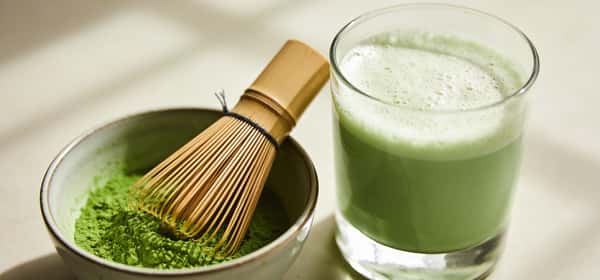
- Color. This is the biggest tell. High-quality matcha is a bright, vivid jade green (thanks to high chlorophyll from shading). Dull, yellowish, or brownish-green powder signals lower quality, older leaves, or oxidation.
- Texture. Good matcha is extremely fine and silky, like talcum powder. Grittiness suggests coarser grinding and lower grade.
- Origin. The most respected matcha comes from Japan (regions like Uji and Nishio). “Product of Japan” with a specific region is a good sign; vague origins are a yellow flag.
- Smell and taste. Quality matcha smells fresh, sweet, and vegetal; it tastes smooth with little harsh bitterness. Very bitter, flat, or hay-like matcha is lower grade or stale.
- Price. Real ceremonial matcha can’t be dirt cheap — the careful growing and grinding cost money. Suspiciously cheap “ceremonial” matcha usually isn’t.
Which grade should you buy?
Match the grade to what you’ll actually do with it:
- Drinking it straight (whisked with water)? Go ceremonial or a good premium — you’ll taste every flaw, so quality matters most here.
- Making lattes or sweetened drinks? A premium/latte grade is the value sweet spot; it holds up against milk without the cost of ceremonial. We get into this in ceremonial vs culinary matcha and matcha latte.
- Baking, smoothies, cooking? Culinary grade is the right (and economical) choice — its robustness survives mixing with other ingredients, and you won’t waste expensive ceremonial matcha where its subtlety would be lost.
Buying the priciest matcha for a sugary baked good is overkill; using gritty culinary matcha for a delicate straight cup is a letdown. Right grade, right job.
A note on storage
Even great matcha degrades fast if stored badly, losing color, flavor, and antioxidants:
- Keep it in an airtight container, away from light, heat, air, and moisture.
- Store it in the fridge once opened (let it come to room temperature before opening to avoid condensation), and use it within a few weeks to a couple of months.
- Buy smaller amounts more often rather than a big tin you’ll take a year to finish.
Common grade-shopping mistakes
A few traps that cost people money or quality:
- Trusting the word “ceremonial” alone. Since it’s unregulated, some cheap powders slap “ceremonial” on the label without the quality to back it. Check the color, origin, and price too.
- Buying ceremonial for lattes and baking. You’re paying for delicacy that disappears under milk and sugar. Use culinary or a latte grade there.
- Assuming pricier is always better. Beyond a point you’re paying for branding and packaging. A solid mid-grade Japanese matcha often beats a flashy expensive tin.
- Ignoring the harvest date. Matcha is freshest within months of harvest; old stock fades in color and flavor regardless of grade. Look for a recent date or buy from brands with quick turnover.
- Falling for “blends” with fillers. Some cheap products cut matcha with sugar, milk powder, or other green-tea dust. Check that the ingredient list is just matcha.
A little label-reading goes further than chasing the highest grade.
Suggested read: Ceremonial vs Culinary Matcha: Which to Buy?
The bottom line
Matcha grades are a useful guide to quality, but they’re marketing terms rather than an official standard — so the label is only half the story. In broad strokes, ceremonial grade is top-tier matcha made from young shade-grown leaves and meant to be drunk with just water, culinary grade is robust and built for cooking, and premium sits in between as an everyday value pick.
The real skill is judging quality yourself: look for vivid jade-green color, a silky-fine texture, a Japanese origin, and a price that reflects genuine quality. Then match the grade to the job — ceremonial or premium for drinking, culinary for baking and smoothies. Get that right, store it well, and you’ll get matcha that actually tastes good and delivers what you paid for.