Walk into any gym and you’ll see people sipping brightly colored drinks between sets of a 45-minute lifting session. Most of the time, that intra-workout drink is doing nothing but flavoring their water. Intra-workout nutrition — taking in carbs, electrolytes, or fluid during exercise — is genuinely useful, but only when the session is long enough or hard enough to drain your tank. For most ordinary workouts, it’s a solution looking for a problem. Here’s where mid-session fuel earns its place and where it doesn’t.
Quick answer
- Sessions under ~60 minutes: plain water is almost always enough. Skip the carbs.
- Hard sessions 60–90+ minutes: carbs start to help, around 30–60 g per hour.
- Ultra-endurance (2.5+ hours): up to ~90 g/hour using mixed carb sources.
- Electrolytes: matter mainly when you’re sweating heavily, training in heat, or going long.
- The mistake: sipping sugary drinks through a short workout you could fuel from your pre-session meal.
What your body is actually running on
During exercise your muscles burn a mix of stored carbohydrate (glycogen) and fat. The harder you go, the more you lean on glycogen. You’ve got enough stored glycogen for roughly 90–120 minutes of moderate-to-hard work before it starts running low. Up to that point, your tank covers you — assuming you ate reasonably beforehand (see the pre-workout nutrition guide).
That’s the whole logic of intra-workout carbs: they matter when the session outlasts your stored fuel, or when intensity is so high that topping up the tank mid-effort buys you performance. Short of that, your body has plenty in reserve.
Choose your goal and get a meal plan with plenty of protein.
Powered by DietGenie Gain muscles
 Lose weight
 Eat healthy
 Explore new cuisines
When carbs during exercise actually help
According to PubMed, a review of carbohydrate use as an ergogenic aid concluded that carbohydrate ingestion during prolonged exercise lasting over 2 hours significantly improves endurance performance, likely by sparing muscle glycogen and preventing low blood sugar.1 The same review notes that small amounts of carbohydrate can even help shorter, very intense bouts of 45–60 minutes — but the mechanism there is thought to be in the brain (a carb mouth rinse can do it), not refueling the muscle.
The practical dosing scales with how long you’re out there:
| Session length | Carb intake during | Notes |
|---|---|---|
| Under 45 min | None needed | Water is enough |
| 45–60 min, very intense | Small amounts or carb mouth rinse | Mostly a central nervous system effect |
| 1–2.5 hours | ~30–60 g/hour | Single carb source is fine |
| Over 2.5 hours | Up to ~90 g/hour | Use multiple carb sources |
That last row matters. Your gut can only absorb glucose at about 60 g/hour through one transporter. To push past that, you need multiple transportable carbohydrates — typically a glucose-plus-fructose blend that uses two separate absorption routes, allowing oxidation rates up to ~90 g/hour without flooding your intestine.2 This is why endurance gels and drinks often list both maltodextrin and fructose.
Electrolytes: when they earn their spot
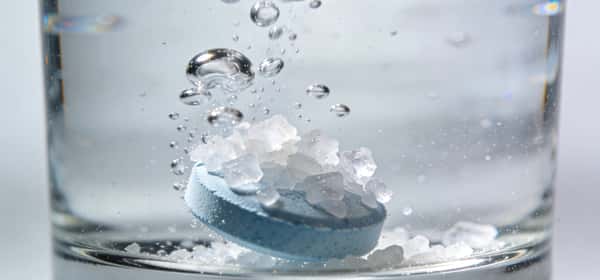
Electrolytes — mainly sodium, plus some potassium, magnesium, and chloride — get marketed for every workout, but their real job is replacing what you lose in sweat and helping you hold onto the fluid you drink. They matter when:
- You’re training for over an hour and sweating hard.
- You’re exercising in heat or humidity.
- You’re a heavy or salty sweater (white salt stains on your shirt are a clue).
- You’re doing back-to-back sessions or all-day endurance events.
For a short, indoor, air-conditioned lifting session, you’re not losing enough to need them. For the full breakdown of when and how much, see our electrolytes guide. The short version: match electrolyte intake to sweat loss, not to marketing.
Suggested read: Exercising in Heat: How to Train Safely When Hot
Putting it together: the intra-workout drink
For longer or harder sessions where intra-workout fuel makes sense, a practical mix looks like this:
- Carbs: 30–60 g/hour for sessions of 1–2.5 hours; up to ~90 g/hour with a glucose:fructose blend for ultra-endurance.
- Fluid: sip steadily rather than chugging; a 6–8% carbohydrate-electrolyte solution is well tolerated and matches the classic sports-drink concentration.
- Sodium: roughly 300–700 mg per hour when sweating heavily, more for salty sweaters or hot conditions.
- Protein: generally not needed mid-session for most training. It can help in very long endurance events when carb delivery is hard to maintain, but it’s not a default add-in.
Start practicing your intra-workout strategy in training, not on race day — your gut needs to get used to taking in carbs while you move.
When intra-workout nutrition is a waste
Let’s be blunt about the common mistakes:
- Sipping carbs through a 45-minute lifting session. Your glycogen isn’t the limiter; your pre-workout meal already covers you.
- Loading up on electrolytes for a sweat-free indoor workout. You’re replacing losses that didn’t happen.
- Using intra-workout drinks while trying to lose fat. Those liquid calories count. If the session is short, they’re calories you didn’t need.
- Relying on intra-workout fuel to make up for skipping breakfast. Sort out your pre-workout nutrition first.
Intra-workout nutrition is a tool for endurance and very long or repeated sessions — not a default for every gym visit.
Train your gut, not just your legs
Here’s something endurance newcomers underestimate: your gut is trainable. Taking in 60–90 g of carbs per hour while running or riding hard is not something most stomachs handle well on the first try. Push too much, too fast, with no practice and you get the classic outcome — bloating, cramps, and a desperate hunt for a toilet mid-race.
The fix is to rehearse your fueling in training, the same way you rehearse pacing. Start with smaller amounts and gradually increase the carbs per hour over several weeks of long sessions. Your gut adapts by improving its capacity to absorb and tolerate carbohydrate during exercise. By the time race day arrives, taking in fuel should feel routine.
A few gut-friendly habits:
Suggested read: Hydration During Exercise: How Much to Drink
- Practice with the exact products you’ll use on event day — gels, drinks, chews, whatever it is.
- Sip and nibble steadily rather than dumping a big dose all at once.
- Use glucose-fructose blends for high intake rates; the dual absorption route is gentler on the gut than glucose alone at high volumes.
- Pair carbs with enough fluid — concentrated syrupy intake without water sits heavy and slows absorption.
How it fits the bigger timing picture
Intra-workout fuel is one slice of a larger setup. Before the session, the goal is topped-up glycogen and available fuel — and for events over 90 minutes, carb loading in the days prior. After the session, refueling and protein for recovery, covered in the post-workout nutrition guide. And across all of it, the daily totals do most of the work — see nutrient timing for why the big picture beats the minute-by-minute. Runners building a fueling plan should also see what to eat before running.
Bottom line
Intra-workout nutrition is genuinely useful, but only when the session is long or hard enough to outlast your stored glycogen. For workouts under an hour, water does the job and the drink is just decoration. Past 60–90 minutes of hard effort, carbs at 30–60 g/hour help, scaling up to ~90 g/hour with a glucose-fructose blend for ultra-endurance. Electrolytes matter when you’re sweating heavily, going long, or training in heat — match them to your losses. Skip the mid-session sugar on short sessions, practice your fueling in training, and treat intra-workout nutrition as an endurance tool, not an everyday habit. For the rest of the timeline, see pre-workout nutrition, post-workout nutrition, carb loading, and electrolytes.