Travel is a perfect storm for catching something. You’re sleep-deprived, crammed into a metal tube with a few hundred strangers, touching surfaces everyone else touched, eating off-routine, and your defenses are already a little frayed. So it makes sense that people reach for “immune boosters” before a big trip. The honest truth about immunity for travel is that the things which actually protect you aren’t sold in a fancy bottle — they’re sleep, hand hygiene, and keeping your basics covered. Let’s go through what the evidence supports and what’s mostly hope.
Quick answer
- Sleep is the single biggest lever. Short sleep measurably raises your susceptibility to infection.
- Hand hygiene works. Wash often, especially before eating; it cuts your exposure more than any supplement.
- Hydration and decent food keep your defenses functioning normally.
- Supplements are modest at best. Vitamin C doesn’t prevent colds in most people; zinc lozenges started early can shorten one. Neither is a shield.
Why sleep beats everything in the bottle
If you do one thing for your immune system before and during a trip, protect your sleep. The relationship between sleep and immunity is well documented and bidirectional — losing sleep weakens immune defenses and raises susceptibility to infection, and shorter sleep duration is specifically linked with a higher chance of catching a cold.1 During sleep your body coordinates a big part of its immune response, so skimping on it leaves you more exposed exactly when you’re most exposed.2
The practical takeaway: don’t sacrifice sleep to cram in a red-eye and a packed itinerary on no rest. If you’re crossing time zones, getting your clock back on track quickly helps both your energy and your defenses — see jet lag remedies and our general tips to sleep better.
Strong defenses start with good meals. Choose your goal and get your plan.
Powered by DietGenie Eat healthy
 Lose weight
 Gain muscles
 Explore new cuisines
Hand hygiene: boring and effective
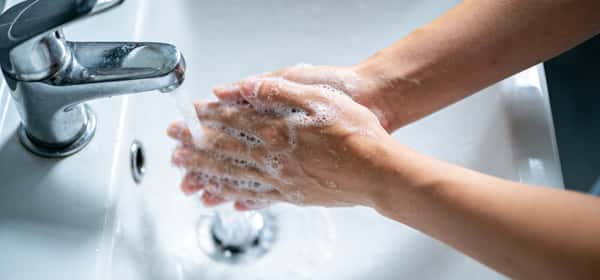
Most travel illnesses — colds, stomach bugs — spread through contaminated hands and surfaces. The unglamorous habit of washing your hands is one of the most effective things you can do, full stop.
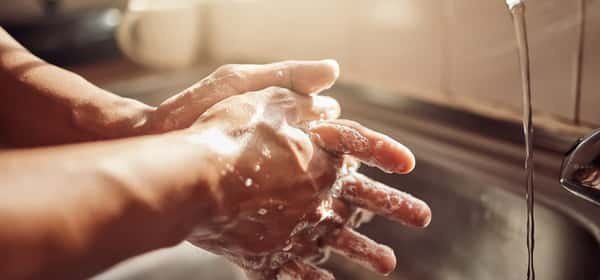
- Wash with soap and water for about 20 seconds, especially before eating and after using the bathroom or public transit.
- Carry hand sanitizer (at least 60% alcohol) for when a sink isn’t handy.
- Keep hands away from your face — eyes, nose, mouth are the entry points.
- Be food- and water-smart in places where the local supply isn’t safe: stick to bottled or properly boiled water and well-cooked food. The CDC advises bringing water to a full rolling boil for one minute (three minutes above ~2,000 m / 6,500 ft) where water safety is uncertain.3
None of this is exciting, and all of it works better than the supplement aisle.
Hydration and food: keep the engine running
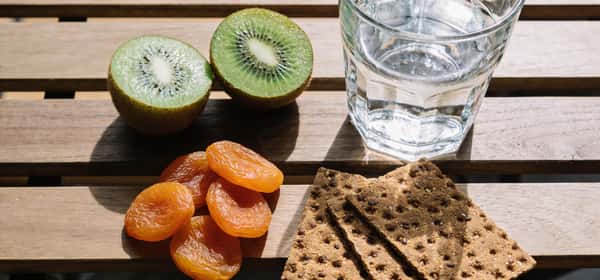
You don’t get bonus immunity from drinking extra water, but dehydration and poor nutrition can drag your defenses down. Dry cabins make it easy to fall behind on fluids — our hydration on planes guide covers in-flight targets, and the health benefits of water explain the basics. Eating enough real food, including fruit and vegetables for fiber and micronutrients, keeps everything running normally; high-fiber foods are a good anchor on the road.
The honest take on supplements
This is where travel-wellness marketing oversells hard. Here’s what the better evidence actually shows.
| Supplement | Prevents illness? | Shortens illness? | Verdict |
|---|---|---|---|
| Vitamin C | No, not in the general population4 | Yes, modestly (~8% shorter colds in adults)4 | Skip for prevention; minor benefit if taken regularly |
| Zinc lozenges | No clear prevention | Yes — started early, ~2–3 days shorter5 | Reasonable to try at first symptoms |
| “Immune boost” blends | No good evidence | No good evidence | Mostly marketing |
A few specifics worth knowing:
- Vitamin C doesn’t reduce how often the average person catches colds, so routine supplementation isn’t justified for that. It does modestly shorten colds when taken regularly, and there’s a notable exception: people under heavy short-term physical stress — marathon runners, skiers, soldiers in extreme cold — roughly halved their cold risk in trials.4 If your “trip” is an endurance event in harsh conditions, that’s the one scenario where it may genuinely help.
- Zinc lozenges, started within a day or so of symptoms, shortened colds by roughly 2–3 days in a meta-analysis.5 That’s a real but limited effect, and it’s about treatment, not prevention.
- Probiotics for travel get mixed results; they may help some people with gut health but aren’t a reliable cold shield. See probiotics for the nuanced picture.
The pattern is clear: supplements range from “modest, situational help” to “doesn’t do much.” None replaces sleep and hand hygiene.
Suggested read: How Much Vitamin C Per Day? Dosage Guide by Age
A realistic travel-immunity plan
- Protect sleep before, during, and after the trip — it’s the highest-value move.
- Wash hands often, carry sanitizer, keep hands off your face.
- Stay hydrated and eat real food with some fiber.
- Be water- and food-cautious in places where the supply isn’t safe.
- Keep routine vaccinations current and check destination-specific recommendations well before you go.
- Consider zinc lozenges to keep on hand for the first sign of a cold — not as a daily preventive.
Why airplanes feel like germ factories (and the reality)
The cabin gets blamed for every post-trip cold, but the recirculated air is less of a culprit than people assume — most cabin air passes through HEPA filters that trap the vast majority of airborne particles. The bigger exposure is closer to home: the surfaces you touch (tray tables, seatbelt buckles, lavatory handles), the people seated right around you, and the crowded airport before you ever board. That’s exactly why hand hygiene and keeping hands off your face do more than fretting about the air.
The dryness matters too. Very low cabin humidity can leave the protective mucus in your nose and throat less effective at trapping pathogens, which is one more reason staying hydrated supports your defenses indirectly. The fix is the same boring advice: drink water, wash your hands, and don’t shortchange your sleep.
The role of stress and recovery
Travel stress — early starts, tight connections, unfamiliar everything — nudges your body into a state that, sustained over days, can blunt immune function. You can’t eliminate it, but you can buffer it: build a little slack into your schedule, get daylight and a short walk each day, and treat rest as part of the trip rather than wasted time. The recovery days after you get home matter as much as the trip itself; that’s often when a skimped-sleep, run-down body finally lets something take hold. Easing back in, catching up on sleep, and eating well for a few days is real prevention, not indulgence.
Suggested read: How to Increase Testosterone Naturally: What Works
When it’s more than a cold
Most travel sniffles resolve on their own. Get medical care if you develop a high fever, difficulty breathing, severe or bloody diarrhea, persistent vomiting, or symptoms after travel to a region with specific disease risks — and tell the clinician where you’ve been.
Bottom line
Immunity for travel is mostly about the unglamorous basics done consistently. Sleep is the biggest lever, hand hygiene is the most effective single habit, and hydration plus decent food keep your defenses working. The supplement aisle offers modest, situational help at best — vitamin C barely moves cold prevention except in extreme-exertion settings, and zinc lozenges only shorten a cold once it’s started. Spend your energy on the fundamentals and keep honest expectations about the rest. For the wider travel-wellness picture, see our travel health tips guide.
Ibarra-Coronado EG, Pantaleón-Martínez AM, Velazquéz-Moctezuma J, et al. The Bidirectional Relationship between Sleep and Immunity against Infections. J Immunol Res. 2015;2015:678164. PubMed | DOI ↩︎
Asif N, Iqbal R, Nazir CF. Human immune system during sleep. Am J Clin Exp Immunol. 2017;6(6):92-96. PubMed ↩︎
Centers for Disease Control and Prevention. Water Disinfection for Travelers. CDC Yellow Book / Travelers’ Health. Link ↩︎
Hemilä H, Chalker E. Vitamin C for preventing and treating the common cold. Cochrane Database Syst Rev. 2013;2013(1):CD000980. PubMed | DOI ↩︎ ↩︎ ↩︎
Hemilä H, Petrus EJ, Fitzgerald JT, Prasad A. Zinc acetate lozenges for treating the common cold: an individual patient data meta-analysis. Br J Clin Pharmacol. 2016;82(5):1393-1398. PubMed | DOI ↩︎ ↩︎