If you live with IBS, you already know that food can feel like a minefield — a meal that’s fine one day sets off bloating, cramps, or an urgent dash to the bathroom the next. The good news is that diet is one of the most effective ways to get IBS under control, and there’s now solid science behind which changes actually work. This is the complete IBS diet: what to eat, what to cut, how the low-FODMAP approach fits in, and the eating habits that make the biggest difference.
Quick answer: An IBS diet manages symptoms by identifying and reducing your trigger foods while building meals around gut-friendly ones — soluble fiber, low-FODMAP choices, and regular, moderate portions. The best-evidenced approach is the low-FODMAP diet, which reduced IBS symptoms significantly in a controlled trial and is considered a first-line therapy.1 Soluble fiber also helps.2 Because IBS triggers are highly individual, the goal is a personalized eating pattern, not one rigid diet — ideally worked out with a dietitian. And any new or alarming digestive symptoms should be checked by a doctor first.
First: what IBS is (and isn’t)
IBS — irritable bowel syndrome — is a common disorder of how the gut and brain communicate, affecting roughly 1 in 10 people. It causes abdominal pain, bloating, gas, and changes in bowel habits, which can lean toward diarrhea (IBS-D), constipation (IBS-C), or a mix of both. Crucially, it doesn’t damage the bowel or raise your cancer risk — but it can seriously affect quality of life, and food is often at the center of it. That combination — real, disruptive symptoms without physical damage — is exactly why a thoughtful diet, rather than medication alone, is such a powerful tool for IBS.
A calm gut starts with the right meals. Choose your goal and get your plan.
Powered by DietGenie Eat healthy
 Lose weight
 Gain muscles
 Explore new cuisines
Before you start any IBS diet, one important step: make sure it’s actually IBS. Because its symptoms overlap with more serious conditions, a doctor should rule those out — especially if you have “red flag” signs. More on that below, and in our guide to the signs and symptoms of IBS.
The low-FODMAP diet: the strongest evidence
If one dietary approach has earned its reputation for IBS, it’s the low-FODMAP diet. FODMAPs are a group of fermentable carbohydrates — found in foods like wheat, onions, garlic, certain fruits, legumes, and dairy — that draw water into the gut and are fermented by bacteria, producing the gas and bloating that torment many people with IBS.
The evidence is strong: in a controlled trial, people with IBS had significantly lower gastrointestinal symptom scores on a low-FODMAP diet than on a typical diet, with less bloating, pain, and wind — and the researchers concluded it’s a first-line therapy.1 Our dedicated guide to FODMAPs explains the science, and high-FODMAP foods lists the ones to watch.
Two things to understand about it, though. First, low-FODMAP is not meant to be permanent — it’s a structured, temporary process (more below). Second, it’s restrictive, so it works best with guidance from a dietitian.
How the low-FODMAP diet actually works
It’s a three-phase process, not a forever diet:
- Elimination. Cut high-FODMAP foods for a few weeks (typically 2–6) to see if symptoms settle.
- Reintroduction. Systematically add FODMAP groups back one at a time to learn which ones you tolerate and which trigger you.
- Personalization. Build a long-term diet that only restricts the specific FODMAPs that bother you, keeping the rest.
Skipping the reintroduction phase is a common mistake — staying on full elimination long-term is unnecessarily restrictive and can affect your gut bacteria and nutrition. The point is to end up with the least restrictive diet that keeps you comfortable. Many people discover they only react to one or two FODMAP groups, which means they can happily eat everything else — a far cry from the strict elimination phase, and a much easier diet to live with long term.
Suggested read: How to Stop Acid Reflux Naturally
Beyond FODMAPs: the wider IBS diet
Low-FODMAP isn’t the only lever, and for milder IBS you may not need it at all. Other core principles:
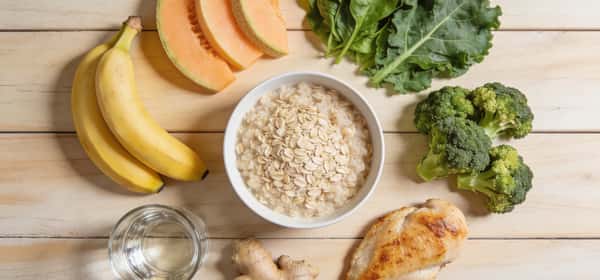
- Get the right kind of fiber. Soluble fiber (in oats, psyllium, and many fruits and vegetables) helps IBS, while insoluble fiber like wheat bran can worsen it for some people.2 Increase fiber gradually to avoid extra gas — see high-fiber foods.
- Eat regular, moderate meals. Skipping meals then overeating provokes symptoms; regular, modest meals keep the gut on an even keel.
- Limit common triggers. Fatty and fried foods, caffeine, alcohol, spicy food, and carbonated or artificially sweetened drinks bother many people. Our foods to avoid with IBS has the full list.
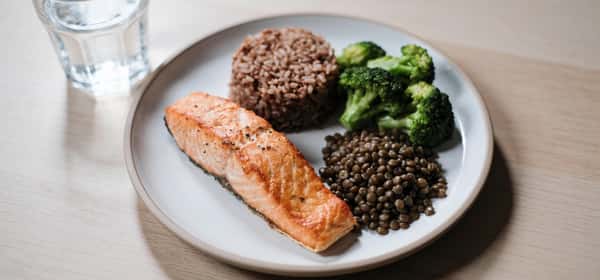
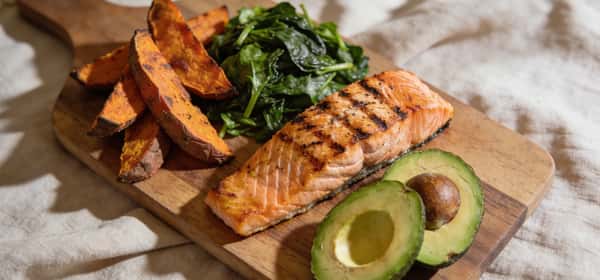
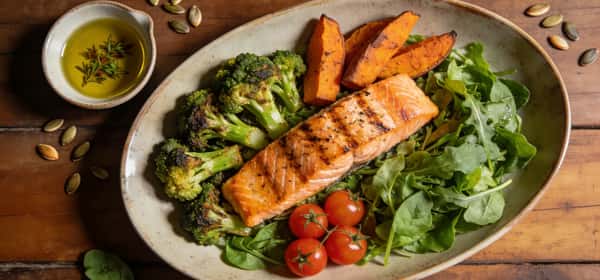
- Build meals around gut-friendly foods. See the best foods for IBS.
For a ready-made week, our 7-day IBS meal plan puts it all together.
Triggers are deeply personal
Here’s the single most important mindset for eating with IBS: your triggers are yours. Two people with IBS can react to completely different foods, which is why no single “IBS diet” works for everyone. The most powerful tool is a simple food-and-symptom diary — jot down what you eat and how you feel for a few weeks, and patterns emerge that are far more useful than any generic list. Use the guidance here as a starting framework, then tailor it to your own gut.
Diet is only part of it
An honest note: IBS is a gut-brain disorder, so diet, while central, isn’t the whole story. Stress and anxiety can worsen symptoms, and approaches like exercise, better sleep, and stress management genuinely help — we cover them in how to manage IBS naturally. Peppermint oil and certain probiotics also have supporting evidence. Combining a smart diet with these habits works better than diet alone.
When to see a doctor
The most important caveat. IBS is diagnosed partly by ruling out other conditions, so see a doctor before self-treating — especially if you have any red flags: blood in your stool, unexplained weight loss, symptoms that wake you at night, iron-deficiency anemia, a first onset over age 50, or a family history of bowel cancer, celiac disease, or inflammatory bowel disease. These need proper evaluation, not a DIY diet. Once IBS is confirmed, a dietitian can help you navigate the low-FODMAP process safely.
Suggested read: The Best Foods for IBS
The bottom line
An IBS diet works by cutting your personal triggers while building meals around gut-friendly foods, regular portions, and the right kind of fiber. The best-evidenced tool is the low-FODMAP diet — proven to reduce symptoms and considered first-line — but it’s a temporary, three-phase process best done with a dietitian, not a permanent restriction. Soluble fiber helps, common triggers like fat, caffeine, and alcohol are worth limiting, and a food diary reveals what’s really setting you off. Pair the diet with stress management and check any alarm symptoms with a doctor, and you give yourself the best possible chance of calming IBS for good.
Halmos EP, Power VA, Shepherd SJ, Gibson PR, Muir JG. A diet low in FODMAPs reduces symptoms of irritable bowel syndrome. Gastroenterology. 2014;146(1):67-75. PubMed ↩︎ ↩︎
Black CJ, Yuan Y, Selinger CP, et al. Efficacy of soluble fibre, antispasmodic drugs, and gut-brain neuromodulators in irritable bowel syndrome: a systematic review and network meta-analysis. Lancet Gastroenterol Hepatol. 2020;5(2):117-131. PubMed ↩︎ ↩︎