Knowing which foods are gentle on IBS is one thing; turning that into a week of real meals — without triggering a flare — is another challenge entirely. So here’s a done-for-you 7-day IBS meal plan: low-FODMAP, gut-friendly food arranged to keep bloating and cramps at bay, built from everyday ingredients. It’s a template to take the daily guesswork out of eating, and a solid base you can personalize as you learn your own triggers.
Quick answer: An IBS meal plan is built on low-FODMAP, gut-friendly foods — soluble fiber, gentle proteins, and low-FODMAP fruits and vegetables — eaten in regular, moderate portions. The plan below gives you a week of reflux-free breakfasts, lunches, dinners, and snacks. A low-FODMAP approach like this significantly reduces IBS symptoms in the research.1 Keep meals regular rather than skipping and overeating, drink water, and adjust the plan to your own tolerance as you go.
The principles behind the plan
Every day follows the same simple rules, so you can improvise too:
A calm gut starts with the right meals. Choose your goal and get your plan.
Powered by DietGenie Eat healthy
 Lose weight
 Gain muscles
 Explore new cuisines
- Keep it low-FODMAP — no onion or garlic, limited high-FODMAP fruits and veg.
- Choose soluble fiber — oats, rice, carrots, potatoes.
- Gentle proteins — chicken, fish, eggs, firm tofu, cooked simply.
- Regular, moderate meals — don’t skip meals or overload at once.
- Water as your main drink — go easy on caffeine, alcohol, and fizzy drinks.
The 7-day IBS meal plan
Mix and match freely, and repeat the days you like. A note on garlic and onion: use garlic-infused oil and the green tops of spring onions for flavor without the FODMAPs.
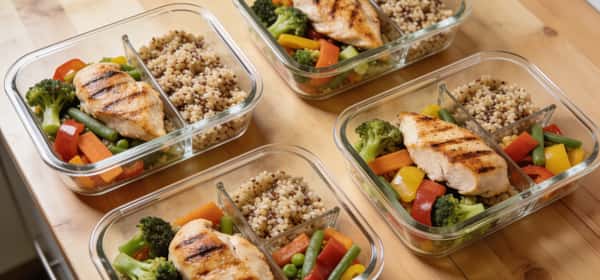
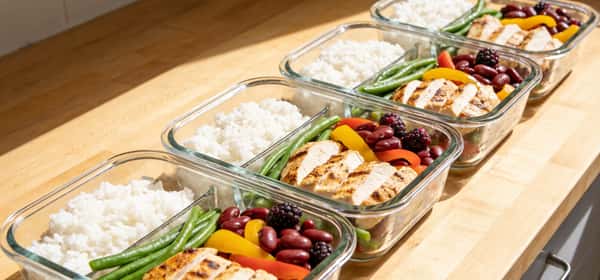
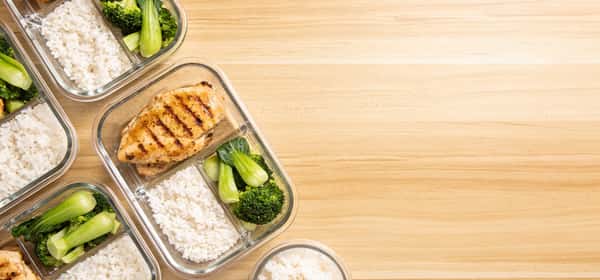
Day 1 — Breakfast: oatmeal with banana and a few blueberries. Lunch: grilled chicken with rice and carrots. Dinner: baked salmon with potato and steamed zucchini. Snack: a handful of grapes.
Day 2 — Breakfast: scrambled eggs with sourdough toast. Lunch: rice bowl with tofu, cucumber, and spinach (garlic-infused oil). Dinner: baked chicken with quinoa and green beans. Snack: lactose-free yogurt with strawberries.
Day 3 — Breakfast: oatmeal with kiwi. Lunch: turkey and lettuce sandwich on gluten-free bread. Dinner: grilled fish with rice and sautéed carrots and peppers. Snack: an orange.
Day 4 — Breakfast: smoothie with banana, strawberries, and lactose-free milk. Lunch: jacket potato with tuna and a small salad. Dinner: stir-fried chicken and low-FODMAP vegetables over rice (garlic-infused oil). Snack: a small handful of walnuts.
Day 5 — Breakfast: oatmeal with banana and cinnamon. Lunch: quinoa salad with cucumber, peppers, spinach, and grilled chicken. Dinner: baked salmon with mashed potato and green beans. Snack: rice cakes with peanut butter.
Day 6 — Breakfast: eggs with sourdough and grilled tomato (small portion). Lunch: leftover salmon with a rice salad. Dinner: turkey meatballs (no onion) with rice noodles and zucchini. Snack: lactose-free yogurt.
Day 7 — Breakfast: oatmeal with blueberries. Lunch: rice bowl with firm tofu, carrots, and spinach. Dinner: baked chicken with roasted potatoes and steamed carrots. Snack: a banana.
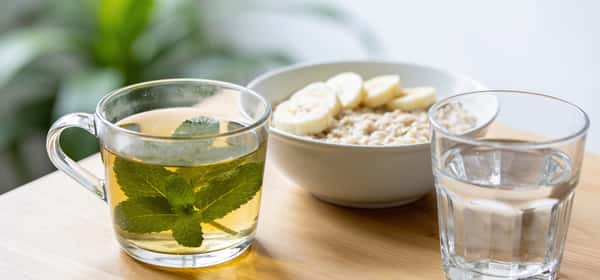
Throughout the week: drink water and low-FODMAP herbal teas (peppermint tea can soothe some people), eat at regular times, and stop before you’re overly full. If a mid-morning or mid-afternoon dip leaves you ravenous, reach for a planned snack rather than skipping ahead to a huge meal that could set off symptoms.
Why regular meals matter
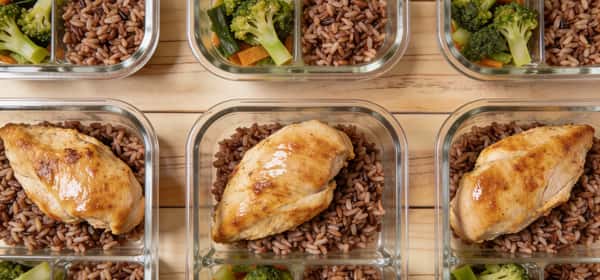
It’s tempting to skip meals when your gut feels unpredictable, but irregular eating tends to make IBS worse — long gaps followed by a large meal can provoke cramps and urgency. Eating at reasonably regular times, in moderate portions, keeps your digestive system on a steadier rhythm. If large meals bother you, splitting your intake into smaller, more frequent ones can help. This steady pattern, alongside the low-FODMAP food choices that reduce symptoms in the research,1 is what makes the plan work.
Suggested read: A 7-Day Fatty Liver Diet Meal Plan
Your IBS-friendly grocery list
Shopping is easier with a template:
- Produce: bananas, blueberries, strawberries, kiwi, oranges, grapes, carrots, cucumber, zucchini, spinach, peppers, potatoes, green beans
- Protein: chicken, turkey, salmon, tuna, eggs, firm tofu
- Grains: oats, rice, quinoa, rice noodles, sourdough and gluten-free bread
- Pantry: garlic-infused oil, lactose-free milk and yogurt, peanut butter, cinnamon, ginger, low-FODMAP herbal teas
Notice what’s not on it: onions, garlic, wheat bread, beans, apples, and sugar-free sweets. Keeping triggers out of the house makes the plan far easier to follow.
Adjusting the plan for you
This menu is a low-FODMAP template, but IBS is individual, so treat it as a flexible base:
- Match it to your IBS type. If constipation is your main issue, lean harder on soluble fiber (oats, kiwi, psyllium) and water; if diarrhea dominates, keep meals lower in fat and go easy on caffeine.
- Reintroduce as you improve. Once symptoms settle, start adding foods back one at a time so you’re not restricting more than you need to — the goal is the least limited diet that keeps you comfortable.
- Swap freely within the safe list. If a “safe” food doesn’t agree with you personally, replace it; if you tolerate something usually limited, you have more room.
The structure — low-FODMAP base, gentle proteins, regular moderate meals — is what matters, not the exact dishes.
Eating out with IBS
Restaurants are where good intentions often unravel, since onion and garlic are in almost everything. A few strategies keep you comfortable:
- Choose simply-cooked dishes — grilled meat or fish with plain rice, potatoes, or steamed vegetables.
- Ask about onion and garlic, and request sauces on the side.
- Watch portion size and pace — restaurant servings are large, and a huge meal is a trigger in itself.
- Go easy on the alcohol and skip the fizzy drinks, sticking to water where you can.
Planning ahead and not arriving overly hungry makes it far easier to make gut-friendly choices.
Tips to make it stick
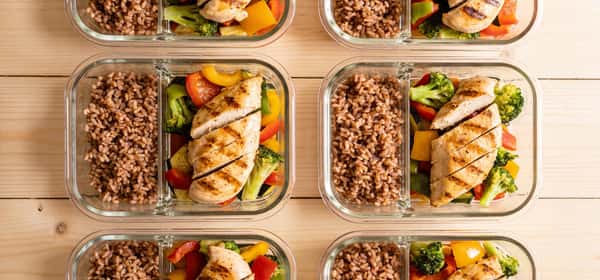
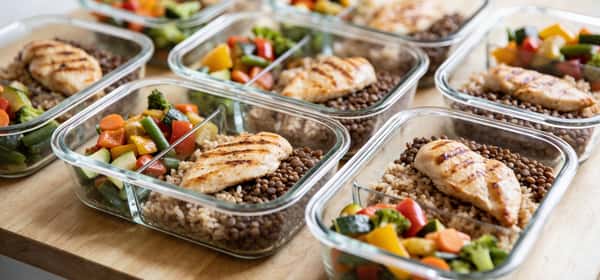
- Cook once, eat twice. Make extra chicken, rice, or salmon to reuse the next day.
- Flavor without FODMAPs. Garlic-infused oil, herbs, ginger, and the green parts of spring onions add taste safely.
- Personalize it. This plan is a low-FODMAP starting point — as you reintroduce foods (see the IBS diet guide), add back the ones you tolerate so your long-term diet isn’t overly restrictive.
The plan pairs with our best foods for IBS and foods to avoid with IBS guides. A plan tailored to your own triggers and tastes is far easier to keep up — which is exactly what the personalized plan below offers.
Suggested read: The IBS Diet: What to Eat to Manage IBS
The bottom line
An IBS meal plan doesn’t have to be complicated or joyless — it’s just a week of low-FODMAP, gut-friendly meals built on soluble fiber, gentle proteins, and tolerable fruits and vegetables, eaten at regular times. Use the 7-day template above as your starting point, flavor with garlic-infused oil and herbs instead of onion and garlic, drink water, and keep meals regular rather than skipping and overeating. Then personalize it as you learn what your own gut can handle. Follow the pattern consistently and you’re doing exactly what the evidence says calms IBS — feeding a sensitive gut the foods it can actually manage.