Beef tallow looks simple — it’s just fat in a jar — but people get worse results than they should by using it wrong: slathering on too much, applying it to bone-dry skin, or skipping the patch test and regretting it. A rich balm like tallow rewards a light, deliberate touch. Here’s exactly how to use it on your face so you get the soft, sealed-in-moisture benefit without the greasy, clogged-pore downside.
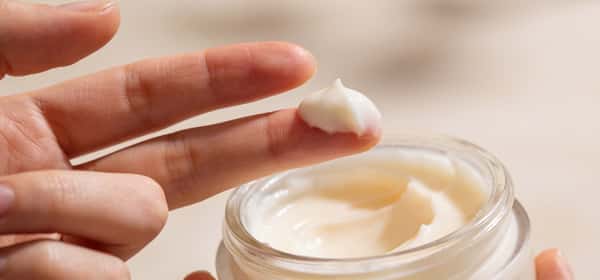
Quick answer: Use beef tallow sparingly as the final, sealing step of your routine. Always patch test for a few days first. Apply a tiny amount (a pea-sized blob or less) to slightly damp skin so it traps moisture rather than just sitting greasily on top, and warm it between your fingers before pressing it in. It works best at night for most people, since it’s heavy. Choose grass-fed, well-rendered tallow with no rancid smell, and stop if you notice breakouts or irritation. For the bigger picture, see beef tallow for skin.
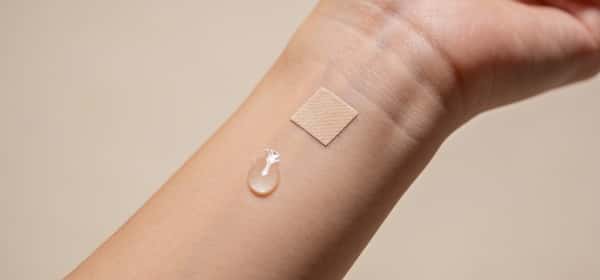
Step 1: Patch test first (don’t skip this)
Because tallow is a heavy, oleic-acid-rich fat that doesn’t suit everyone, a patch test isn’t optional — it’s the step that saves you from a face-wide reaction.
Glow starts with what you eat. Choose your goal and get your plan.
Powered by DietGenie Eat healthy
 Lose weight
 Gain muscles
 Explore new cuisines
- Apply a small amount to a discreet area (inner forearm, or beside your jaw) once a day for 5 to 7 days.
- Watch for redness, irritation, or small clogged bumps.
- Only move to your full face if your skin stays happy.
This matters most if you’re acne-prone or sensitive — see beef tallow for acne and beef tallow side effects before going all in.
Step 2: Use it as the last step
Skincare layers go thinnest to thickest, and tallow is about as thick as it gets. As a rich occlusive, its job is to seal everything in, so it belongs at the very end of your routine.1
A simple order:
- Cleanse
- (Optional) any water-based serums or treatments
- (Optional) your usual moisturizer
- Tallow last, to lock it all in
Putting tallow on before a serum just blocks the serum from absorbing. It’s the sealant, not the base coat.
Step 3: The damp-skin trick
This is the single biggest technique upgrade. Occlusives like tallow work by trapping water against the skin — so if you apply it to bone-dry skin, there’s less moisture to seal in, and it can feel like it’s just sitting greasily on top.
Instead:
- Apply tallow to slightly damp skin — right after cleansing, or after a light mist or a water-based product, while your face is still a touch moist.
- This traps that water underneath, which is exactly how occlusives reduce moisture loss and leave skin softer.
It’s the difference between tallow that “works” and tallow that just feels heavy.
Step 4: Use way less than you think
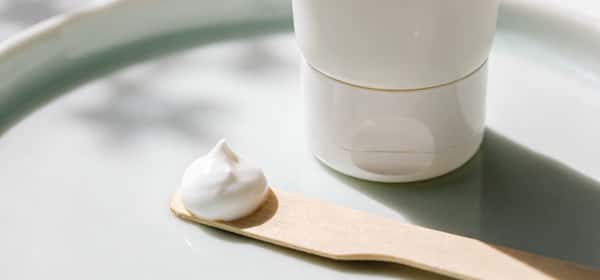
The number-one mistake is overapplying. Tallow is concentrated, and more does not mean better — it just means greasy, slow to absorb, and more likely to clog.
- Start with a pea-sized amount or less for your whole face.
- Warm it between clean fingertips until it melts to an oil, then press and gently massage it in.
- If your skin looks shiny and slick after a few minutes, you used too much. Blot the excess and use less next time.
Step 5: Day or night?
For most people, tallow is a nighttime product:
- Night: ideal. Your skin has hours to absorb it while you sleep, and the heaviness doesn’t matter under the covers.
- Day: possible for very dry skin, but the rich texture can feel greasy under makeup, and it offers no sun protection — never let a tallow balm replace sunscreen. If you use it in the daytime, apply a tiny amount and follow with SPF.
How to choose good tallow
Quality genuinely matters here, because you’re putting a fat directly on your face:
- Grass-fed tallow tends to have a better fatty acid and fat-soluble vitamin profile.
- Well-rendered and purified, with a clean, neutral, slightly beefy-but-not-rancid smell. A sour or off smell means it’s going rancid — toss it.
- Whipped tallow (often blended with a carrier oil like olive or jojoba) is easier to spread and feels lighter.
- Minimal ingredients — tallow with maybe a carrier oil; you don’t need a long additive list.
- Store it cool and sealed to slow oxidation; fats can go rancid over time.
Common mistakes to avoid
Most disappointing tallow experiences trace back to a handful of fixable errors:
- Using too much. The biggest one. A thick layer doesn’t absorb, feels greasy, and clogs pores. Less is genuinely more.
- Applying to dry skin. Without moisture underneath, there’s little for the occlusive to seal in. Damp skin is the trick.
- Putting it on first. Tallow blocks anything applied over it, so water-based serums and treatments must go underneath, not on top.
- Skipping the patch test. Going straight to full-face use is how a small incompatibility becomes a week of regret.
- Using rancid tallow. Old or poorly stored tallow smells off and is more irritating — trust your nose.
- Treating it as sunscreen. It has no SPF. Daytime use still needs separate sun protection.
Face vs body
Tallow’s heaviness that can be tricky on the face is often an asset on the body, where pores are less reactive and skin is frequently drier. Rough elbows, knees, heels, and dry shins tend to tolerate tallow well, and you can be a little more generous there than you would on your face. If your facial skin doesn’t love tallow but you’ve already bought a jar, using it as a body balm is a sensible way not to waste it.
Suggested read: Chlorine and Skin: Why Pools Dry You Out, How to Fix It
What to watch for
Even with good technique, pay attention to how your skin responds:
- Clogged pores or new breakouts → scale back or stop; tallow may be too comedogenic for you.
- Redness or irritation → could be the oleic acid not agreeing with your barrier.
- It feels great and skin is softer → you’ve found a good fit; keep using it sparingly.
Tallow supports a healthy skin barrier by sealing in moisture, and pairs logically with barrier-friendly steps like ceramides underneath. Listen to your skin over any influencer’s routine.
Suggested read: Beef Tallow Side Effects: Risks and Who Should Avoid
The bottom line
Beef tallow is easy to use well once you respect that it’s a heavy sealant, not a lightweight lotion. Patch test for a week, then apply a pea-sized amount or less to slightly damp skin as the final step of your routine, ideally at night, warming it between your fingers first. Choose clean, grass-fed, well-rendered tallow and store it sealed and cool.
Get those basics right and tallow can leave dry skin genuinely soft and protected. Overdo it — too much, on dry skin, in the wrong order — and you’ll just feel greasy and risk clogged pores. Less is more, damp skin wins, and your own skin’s reaction is the only review that matters. If it doesn’t agree with you, shea butter or another emollient may suit you better.