Here’s the genuinely good news about a fatty liver: in its early stages, it’s reversible — often completely — without a single medication. Your liver is a remarkably regenerative organ, and given the right conditions it will clear out excess fat and repair itself. The “right conditions” come down to a handful of proven lifestyle changes, with one of them doing most of the heavy lifting. This is a realistic guide to what actually works, minus the detox-tea nonsense.
Quick answer: You reverse a fatty liver naturally through weight loss, diet, and exercise — no cleanse or supplement required. The most powerful step by far is losing weight: dropping around 7–10% of your body weight can resolve fatty liver disease and even reverse early scarring.1 Support that with a Mediterranean-style diet, cutting sugar and refined carbs, moving more, limiting alcohol, and being patient — real change takes months, not days. Early fatty liver responds beautifully to these steps; more advanced disease needs the same approach plus close medical care. Skip the “liver detox” products; the liver detoxes itself when you stop overloading it.
The single most important step: lose weight
If a fatty liver has one true cure, it’s weight loss, and the evidence is about as strong as it gets. In a landmark study, the amount of weight people lost directly predicted how much their liver improved on biopsy:1
Everyday meals shape liver health. Choose your goal and get your plan.
Powered by DietGenie Eat healthy
 Lose weight
 Gain muscles
 Explore new cuisines
- Losing 5% of body weight reduced liver fat and resolved inflammation in over half of patients.
- Losing 7% produced meaningful improvement in the disease.
- Losing 10% resolved the disease in 90% of people — and reversed early fibrosis (scarring) in 45%.
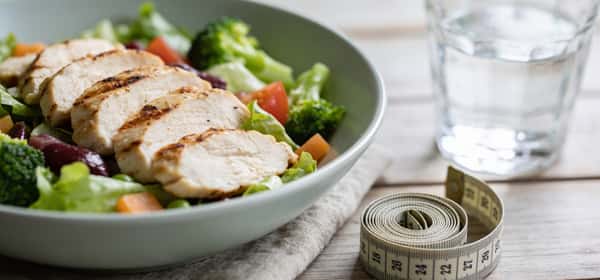
No natural remedy comes close to those numbers. So the central goal of reversing a fatty liver is a steady, sustainable weight loss of around 7 to 10%. Crucially, it should be gradual — losing weight too fast can actually stress the liver — so aim for a slow, steady decline rather than a crash diet. Much of that excess weight tends to sit as belly fat, which is closely tied to liver fat, so as one shrinks, so does the other.
Fix your diet
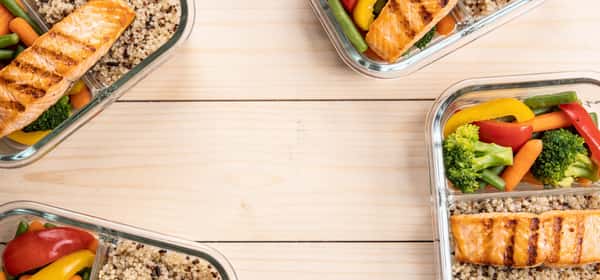
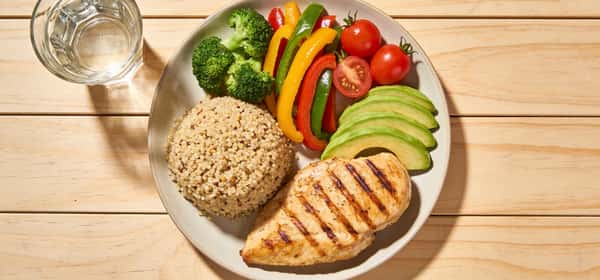
Weight loss and diet are two sides of the same coin, and the eating pattern with the best evidence for a fatty liver is the Mediterranean style — high in vegetables, whole grains, fish, olive oil, and fiber, and low in sugar and processed food.2 Two moves matter most:
- Cut the sugar and refined carbs. Your liver turns excess sugar, especially fructose, straight into fat, so sugary drinks and refined carbs are the first thing to go. We cover the full list in foods to avoid with a fatty liver.
- Add the liver-friendly foods. Vegetables, fish, olive oil, legumes, and unsweetened coffee actively help — see the best foods for a fatty liver.
The complete framework, including how to structure it, lives in our main fatty liver diet guide.
Move your body
Exercise reverses fatty liver in two ways: it burns calories to support weight loss, and it independently reduces liver fat and improves insulin sensitivity even before the scale moves much. You don’t need to become an athlete — a mix of regular aerobic activity (brisk walking, cycling, swimming) and some resistance training is ideal, and consistency beats intensity. Aim for something most days. Our guide to the best exercise for weight loss is a practical starting point, but the best exercise is simply the one you’ll keep doing.
Cut back on alcohol and manage the metabolic picture
A few supporting moves round out the plan:
- Reduce or cut alcohol. Even though this isn’t alcohol-related liver disease, alcohol adds strain to an organ that’s already working hard. Less is clearly better; ask your doctor what’s right for you.
- Address the whole metabolic picture. Fatty liver travels with insulin resistance, high blood sugar, high cholesterol, and high blood pressure. Improving those — through the same diet and exercise — helps your liver and your overall health together.
- Be wary of “detox” products. Liver cleanse teas, juices, and supplements are, at best, a waste of money and, at worst, harmful. Your liver is the detox organ; it doesn’t need a product to do its job — it needs you to stop overloading it.
Mistakes that stall progress
A few common missteps keep people stuck, and they’re all avoidable:
- Losing weight too fast. Crash diets and very rapid weight loss can actually worsen liver inflammation. Slow and steady genuinely wins here.
- Cutting fat but not sugar. Many people assume a “fatty” liver means dietary fat is the enemy and dutifully go low-fat while still drinking juice and eating refined carbs. It’s the sugar and refined carbs that matter most.
- Relying on detox products instead of changing the diet. They don’t work, and the delay costs you time.
- Giving up too soon. Liver enzymes and liver fat take months to shift. Quitting at week three because nothing “feels” different is the most common reason people fail.
- Ignoring the rest of the metabolic picture. If your blood sugar, cholesterol, and blood pressure aren’t addressed alongside, progress is slower.
Signs it’s working
You can’t feel your liver healing, so how do you know you’re on track? The clearest signal is your liver enzyme blood tests (ALT and AST), which your doctor can recheck — they often improve within a few months of consistent changes. Beyond that, watch for the indirect signs: steady weight loss, a shrinking waistline, better energy, and improving blood sugar and cholesterol numbers. Follow-up imaging can also show reduced liver fat over time. These markers, tracked with your doctor, tell you far more than how you feel day to day.
What to realistically expect
Set your expectations honestly and you’ll stay the course. Reversing a fatty liver takes months of consistent effort, not a quick fix — but the payoff is real, and it’s often visible in improved liver enzyme blood tests within a few months. The earlier you catch it, the more completely it reverses: simple fatty liver and even NASH respond very well, while advanced scarring is harder to undo, which is exactly why acting sooner matters. Work with your doctor to confirm the diagnosis, rule out other causes, and track your progress over time — natural reversal and good medical care aren’t alternatives, they work together.
Suggested read: The Fatty Liver Diet: What to Eat to Reverse It
The bottom line
Reversing a fatty liver naturally is genuinely achievable, and it comes down to unglamorous, proven basics: lose 7 to 10% of your body weight steadily, eat a Mediterranean-style diet, cut the sugar and refined carbs, move most days, and go easy on alcohol. Weight loss is the star of the show — enough of it can resolve the disease and even reverse early scarring. Skip the detox gimmicks entirely; your liver only needs you to stop overwhelming it and give it the raw materials to repair. Caught early and tackled consistently, a fatty liver is one of the most reversible conditions you can face — and every one of the steps that heals it makes the rest of you healthier too.
Vilar-Gomez E, Martinez-Perez Y, Calzadilla-Bertot L, et al. Weight loss through lifestyle modification significantly reduces features of nonalcoholic steatohepatitis. Gastroenterology. 2015;149(2):367-378.e5. PubMed ↩︎ ↩︎
Berná G, Romero-Gomez M. The role of nutrition in non-alcoholic fatty liver disease: pathophysiology and management. Liver Int. 2020;40(Suppl 1):102-108. PubMed ↩︎