Once you’ve been through a diverticulitis flare, one thing is on your mind: never again. The reassuring news is that flare-ups are, to a real degree, preventable — and the changes that lower your risk are straightforward, natural, and good for the rest of you too. Fiber does most of the heavy lifting, but a handful of lifestyle habits round it out. Here’s a realistic, evidence-based guide to keeping diverticulitis at bay.
Quick answer: You prevent diverticulitis flare-ups mainly by eating a high-fiber diet — around 30 grams a day is linked to a 41% lower risk of diverticular disease.1 Alongside fiber, limit red meat (which raises risk), stay physically active, keep a healthy weight, drink plenty of water, and don’t smoke. You can also drop the old fear of nuts, seeds, and popcorn, which don’t cause flares.2 These changes meaningfully lower your risk, though they work best alongside your doctor’s care, not instead of it.
Eat more fiber (the number one step)
If prevention has a cornerstone, it’s fiber. Fiber keeps stool soft and bulky, which reduces pressure inside the colon and lowers the chance of the pouches becoming inflamed. The evidence is strong and dose-dependent: a meta-analysis found higher fiber intake is linked to a lower risk of diverticular disease, with roughly 30 grams a day associated with a 41% risk reduction compared with a low intake.1
A calm gut starts with the right meals. Choose your goal and get your plan.
Powered by DietGenie Eat healthy
 Lose weight
 Gain muscles
 Explore new cuisines
Get there with whole grains, fruits, vegetables, legumes, and — yes — nuts and seeds. Two practical rules matter:
- Build up gradually. Jumping to high fiber overnight causes gas and bloating; increase it over a few weeks.
- Drink enough water. Fiber needs fluid to work, so hydration is part of the plan.
Our high-fiber foods guide makes hitting that target easy, and the best foods for diverticulitis covers the prevention diet in full.
Cut back on red meat
After fiber, red meat is the clearest dietary lever. A large study found men with the highest red meat intake had a 58% higher risk of diverticulitis, driven mainly by unprocessed red meat — and swapping in poultry or fish lowered the risk.3 So make red meat an occasional food, and lean on poultry, fish, beans, and lentils for most of your protein. The foods to avoid with diverticulitis guide has the details.
Move your body
Physical activity independently lowers diverticulitis risk — it supports healthy gut motility and helps with weight control. Vigorous activity in particular has been linked to lower risk, but any regular movement helps, so find something you’ll keep doing. Our guide to the best exercise for weight loss is a good starting point, and even brisk daily walking counts.
Keep a healthy weight
Carrying excess weight, especially around the middle, is associated with a higher risk of diverticulitis and its complications. Losing excess weight through the same high-fiber diet and regular activity is a two-for-one: it tackles a risk factor directly while reinforcing the other prevention habits. Aim for gradual, sustainable change rather than crash dieting.
Stay hydrated and don’t smoke
Two more simple but real factors:
- Hydration. Water works hand in hand with fiber to keep stool soft and moving — make it your default drink.
- Smoking. Smoking is linked to a higher risk of diverticulitis and complications, so quitting is one more reason on an already long list.
Drop the nut and seed myth
Prevention is also about not restricting yourself unnecessarily. For years, people were told to avoid nuts, seeds, corn, and popcorn to prevent flares — but large research found these foods don’t increase risk, and nuts and popcorn were actually linked to slightly lower risk.2 Cutting them out means missing valuable fiber for no benefit. So eat them freely as part of your high-fiber, preventive diet.
A simple daily prevention routine
Pulling it together, a day built for prevention looks like this:
- Start with fiber — oatmeal, whole-grain toast, or a high-fiber cereal at breakfast.
- Make plants the base of lunch and dinner, with beans, lentils, or whole grains.
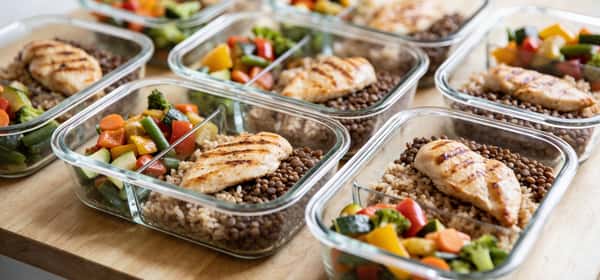
- Choose poultry, fish, or plant protein over red meat most days.
- Snack on fruit, nuts, or popcorn rather than refined snacks.
- Drink water steadily through the day.
- Move — a walk, a workout, anything regular.
Do that most days and you’re hitting every evidence-backed lever at once, almost without thinking about it.
Common misconceptions
A few myths still trip people up and are worth clearing:
- “I should avoid nuts, seeds, and popcorn forever.” False — they don’t cause flares and may help.
- “Low-fiber is the diverticulitis diet.” Only during a flare; long-term, high fiber is what prevents them.
- “Diet alone will cure it.” Diet prevents and supports recovery, but active diverticulitis often needs medical treatment.
- “If I eat perfectly, I’ll never flare again.” Diet lowers the odds substantially but can’t guarantee it — so don’t blame yourself if one happens despite your efforts.
What to realistically expect
An honest note on expectations. These habits genuinely lower your risk, but they reduce the odds of a flare rather than guarantee you’ll never have one — diverticulitis can still occur despite a great diet. The point is to stack the deck in your favor, and the combination of high fiber, less red meat, activity, healthy weight, and hydration does exactly that. Give the changes time; the benefit is long-term risk reduction, not an overnight fix. This all overlaps neatly with a Mediterranean-style way of eating.
Suggested read: The Diverticulitis Diet: Flare-Up and Prevention
When to see a doctor
The essential caveat. Prevention works alongside medical care, not in place of it. If you develop symptoms of a flare — persistent lower abdominal pain, fever, nausea, or a marked change in bowel habits — see a doctor promptly, since acute diverticulitis sometimes needs antibiotics or other treatment and can occasionally become serious. If you have recurrent flares, your doctor can help you build a prevention plan and decide whether any further treatment is warranted. Use these natural steps to lower your risk, and let your medical team handle active attacks.
The bottom line
Preventing diverticulitis naturally comes down to a clear, evidence-backed formula: eat plenty of fiber — around 30 grams a day for a 41% lower risk — from whole grains, fruits, vegetables, legumes, nuts, and seeds; limit red meat in favor of poultry, fish, and plant proteins; stay active; keep a healthy weight; drink plenty of water; and don’t smoke. Drop the outdated fear of nuts and seeds, build fiber up gradually, and give it time. None of it guarantees you’ll never flare, but together these habits meaningfully tilt the odds in your favor — and keep your gut, and the rest of you, healthier for the long run.
Aune D, Sen A, Norat T, Riboli E. Dietary fibre intake and the risk of diverticular disease: a systematic review and meta-analysis of prospective studies. Eur J Nutr. 2020;59(2):421-432. PubMed ↩︎ ↩︎
Strate LL, Liu YL, Syngal S, Aldoori WH, Giovannucci EL. Nut, corn, and popcorn consumption and the incidence of diverticular disease. JAMA. 2008;300(8):907-914. PubMed ↩︎ ↩︎
Cao Y, Strate LL, Keeley BR, et al. Meat intake and risk of diverticulitis among men. Gut. 2018;67(3):466-472. PubMed ↩︎