IBS can feel like it runs your life — but a lot of what calms it is genuinely in your hands. Because it’s a disorder of how the gut and brain talk to each other, the most effective natural approach works on both ends: what you eat and how you manage stress, movement, and sleep. None of it is a magic cure, but combined, these changes bring real, evidence-backed relief for most people. Here’s a realistic guide to managing IBS naturally, and knowing when to get medical help.
Quick answer: You manage IBS naturally by combining a smart diet with gut-brain and lifestyle strategies: identify and cut your trigger foods (often via a low-FODMAP approach), get enough soluble fiber, manage stress, exercise regularly, and prioritize sleep. Diet reduces symptoms,1 and traditional remedies like peppermint oil and certain probiotics have solid evidence too — peppermint oil ranked among the most effective treatments in a large analysis, and probiotics can help.23 Combine these consistently, and most people see meaningful improvement — though red-flag symptoms always need a doctor.
Start with diet
Diet is the foundation of natural IBS management, so it’s the first place to focus:
A calm gut starts with the right meals. Choose your goal and get your plan.
Powered by DietGenie Eat healthy
 Lose weight
 Gain muscles
 Explore new cuisines
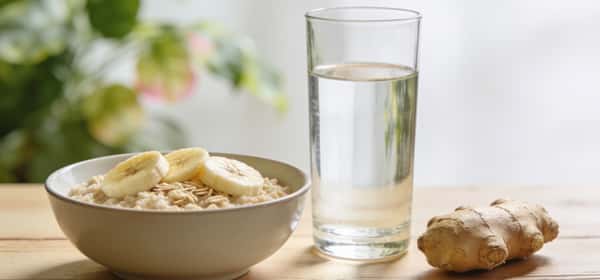
- Find and cut your triggers. The best-evidenced tool is the low-FODMAP diet, which significantly reduces symptoms and is considered first-line.1 Our IBS diet guide walks through the whole approach.
- Get the right fiber. Soluble fiber (oats, psyllium) helps IBS, while insoluble bran can worsen it for some.2
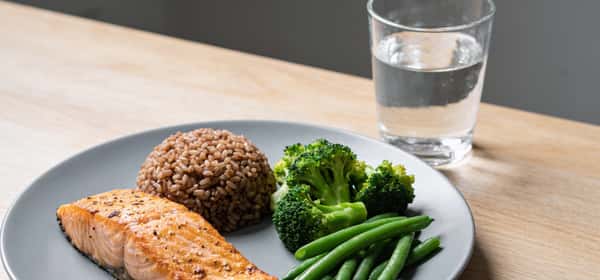
- Build meals around gut-friendly foods and steer clear of common triggers — see the best foods for IBS and foods to avoid with IBS.
- Eat regularly. Skipping meals then overeating provokes symptoms; steady, moderate meals keep the gut calmer.
Manage stress and the gut-brain connection
This is the part people most often overlook, and it’s crucial. IBS is a gut-brain disorder, and stress and anxiety can directly worsen symptoms through the nervous system that links your brain and gut. Working on this end pays off:
- Relaxation practices — deep breathing, meditation, and yoga can calm the gut-brain axis.
- Psychological therapies — cognitive behavioral therapy (CBT) and gut-directed hypnotherapy have strong evidence for IBS, which is why they’re recommended by specialists.
- Simply reducing daily stress — through boundaries, downtime, and pacing — often eases flare frequency.
If your symptoms clearly worsen during stressful periods, this side of management may matter as much as your diet.

Move your body
Regular physical activity helps IBS in several ways — it stimulates healthy gut motility (useful for constipation-predominant IBS), relieves stress, and improves overall wellbeing. It doesn’t need to be intense: brisk walking, cycling, swimming, or yoga all count, and gentle, regular movement is often better tolerated than hard workouts. Our guide to the best exercise for weight loss is a good general starting point, but for IBS the aim is consistency and stress relief rather than intensity.
Prioritize sleep
Poor sleep and IBS feed each other — bad nights can worsen next-day symptoms, and gut discomfort disrupts sleep. Protecting your sleep is a genuine IBS strategy: keep a regular schedule, wind down properly, and avoid large or trigger-heavy meals late in the evening. Our guide to foods that help you sleep can help you rest more easily.
Evidence-backed natural remedies
A few supplements and remedies have real support:
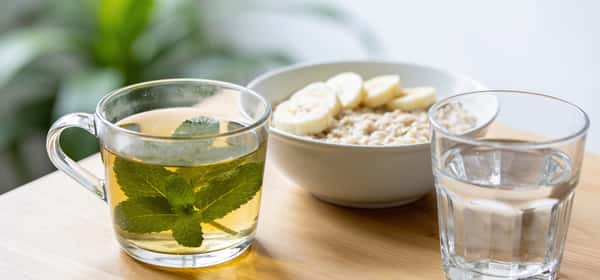
- Peppermint oil. In a large network meta-analysis, peppermint oil capsules ranked among the most effective treatments for improving overall IBS symptoms.2 Enteric-coated capsules are the studied form; peppermint tea is a gentler option some people find soothing.
- Probiotics. Certain probiotics improve IBS symptoms, though the best strain isn’t settled — it’s worth a consistent trial of several weeks to see if one helps you.3 Learn more in our probiotics guide.
- Soluble fiber supplements. Psyllium is well studied and can help regulate bowel movements.2
Give any remedy a fair trial of a few weeks, and introduce one change at a time so you can tell what’s working.
Habits that quietly make IBS worse
Sometimes relief comes as much from stopping unhelpful habits as from adding good ones. A few common ones to watch:
- Skipping meals then overeating. Long gaps followed by a big meal provoke cramps and urgency — regular, moderate meals are steadier.
- Eating too fast. Rushed meals mean swallowed air and harder digestion, both feeding bloating. Slow down and chew well.
- Over-restricting for too long. Staying on a full low-FODMAP elimination indefinitely is unnecessary and can harm your gut bacteria — reintroduce foods once you’ve stabilized.
- Relying on the bathroom-avoidance cycle. Holding it in or over-worrying can worsen the gut-brain loop; gentle routine helps more than anxiety.
- Ignoring stress. Powering through chronic stress keeps the gut-brain axis fired up — it’s not “all in your head,” but your head genuinely affects your gut.
Put it together and be patient
Managing IBS naturally is about stacking these habits — diet, stress management, movement, sleep, and the right remedies — rather than relying on any single one. Improvement usually builds over weeks, and because IBS is so individual, some strategies will help you more than others. A symptom diary helps you see what’s working. Fine-tune, keep the changes that help, and drop the ones that don’t.
When to see a doctor
The essential caveat. Natural management works well for confirmed IBS, but it’s not a substitute for medical evaluation — and some symptoms need a doctor promptly. See one if you have red flags: blood in your stool, unexplained weight loss, symptoms that wake you at night, iron-deficiency anemia, a new onset over age 50, or a family history of bowel cancer, celiac disease, or inflammatory bowel disease. These require proper investigation to rule out other conditions, since IBS is partly a diagnosis of exclusion — our guide to the signs and symptoms of IBS covers what to watch for. A doctor or dietitian can also help you navigate the low-FODMAP process and consider medication if lifestyle changes aren’t enough.
Suggested read: The IBS Diet: What to Eat to Manage IBS
The bottom line
Managing IBS naturally means working both ends of the gut-brain connection: cut your trigger foods (often with a low-FODMAP approach), get soluble fiber, and eat regularly — then add stress management, regular movement, and good sleep. Evidence-backed remedies like peppermint oil and certain probiotics can help on top. None of it is an overnight cure, but stacked together and given a few weeks, these changes bring real relief for most people with IBS. Personalize the mix to your own body, stay consistent, and always check red-flag symptoms with a doctor — and you can take back a great deal of control over a condition that once felt unpredictable.
Halmos EP, Power VA, Shepherd SJ, Gibson PR, Muir JG. A diet low in FODMAPs reduces symptoms of irritable bowel syndrome. Gastroenterology. 2014;146(1):67-75. PubMed ↩︎ ↩︎
Black CJ, Yuan Y, Selinger CP, et al. Efficacy of soluble fibre, antispasmodic drugs, and gut-brain neuromodulators in irritable bowel syndrome: a systematic review and network meta-analysis. Lancet Gastroenterol Hepatol. 2020;5(2):117-131. PubMed ↩︎ ↩︎ ↩︎ ↩︎
Zhang T, Zhang C, Zhang J, Sun F, Duan L. Efficacy of Probiotics for Irritable Bowel Syndrome: A Systematic Review and Network Meta-Analysis. Front Cell Infect Microbiol. 2022;12:859967. PubMed ↩︎ ↩︎