High uric acid is the engine behind gout, so lowering it is the key to fewer attacks and healthier joints. The good news is that a handful of natural changes can genuinely bring uric acid down — through what you eat, what you drink, and how you manage your weight. The honest news is that for many people, diet and lifestyle only go so far, and knowing where that line is matters. Here’s a realistic guide to lowering uric acid naturally, and when to bring in medical help.
Quick answer: You lower uric acid naturally by cutting the things that raise it — alcohol, sugary drinks, and high-purine animal foods — and adding the things that lower it: low-fat dairy, cherries, coffee, vitamin C, and plenty of water. Losing excess weight helps significantly, and staying hydrated flushes uric acid out. These changes reduce uric acid and gout attacks, but the effect is modest.12 For established or recurrent gout, natural methods support but don’t replace urate-lowering medication, so work with your doctor rather than going it alone.
Cut what raises uric acid
The fastest way to lower uric acid is to stop feeding it. Three things do most of the damage:
Choose your goal and get a meal plan that considers your joints.
Powered by DietGenie Eat healthy
 Lose weight
 Gain muscles
 Explore new cuisines
- Alcohol, especially beer, raises uric acid and triggers attacks in a dose-dependent way — all types count, so cutting back is one of the biggest levers you have. See alcohol and gout for the full breakdown.
- Sugary drinks and fructose raise uric acid directly; soft drink intake is linked to higher uric acid and hyperuricemia, while diet soda is not.3 Swap them for water.
- High-purine animal foods — organ meats, red meat, and certain seafood — push uric acid up, so limit them (though plant purines like beans and spinach are fine). The full list is in foods to avoid with gout.
Add what lowers it
On the other side of the ledger, several foods actively help:
- Low-fat dairy is linked to lower gout risk and helps your kidneys clear uric acid.1
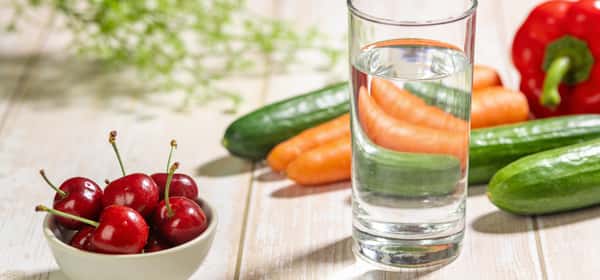
- Cherries reduce the risk of recurrent attacks — around a third fewer in the research.2 Fresh or as unsweetened tart cherry juice; details in cherries and gout.
- Coffee (unsweetened) is associated with lower uric acid.
- Vitamin C modestly lowers serum uric acid, so vitamin C-rich foods like citrus and peppers are smart choices.4
Our full roundup of foods that lower uric acid puts these together into an eating pattern.

Lose excess weight
Carrying extra weight raises uric acid and worsens gout, so losing weight is one of the most effective natural strategies — it reduces uric acid and can cut attack frequency. The key is to do it gradually, because crash dieting and rapid weight loss can temporarily spike uric acid and trigger an attack. Aim for slow, steady loss through the dietary changes above plus activity. Our guide to the best exercise for weight loss is a good starting point, and low-impact movement is easier on gout-prone joints.
Stay hydrated
Water is underrated here. Good hydration helps your kidneys flush uric acid out of your body, and dehydration concentrates it and can set off an attack. Make water your default drink, aim to sip consistently through the day, and drink extra in hot weather or around exercise and alcohol. It’s a simple habit with a real payoff, and it supports weight loss too — see drinking water and weight loss.
A simple daily plan
Putting it all together, a uric-acid-lowering day looks like this:
- Drink water consistently, and make it your main beverage.
- Eat mostly plants — vegetables, whole grains, and legumes, which are safe and beneficial.
- Include low-fat dairy and a serving of cherries or unsweetened tart cherry juice.
- Enjoy unsweetened coffee if you like it.
- Limit alcohol, sugary drinks, and high-purine meats.
- Work toward a healthy weight gradually.
Follow this consistently and you’re doing everything diet and lifestyle can offer.
How long does it take?
Set realistic expectations and you’ll stick with it. Lifestyle changes lower uric acid gradually, not overnight — you might see a modest drop within a few weeks of consistent changes, but the real goal is a steady, sustained reduction over months. Your doctor can measure your uric acid with a simple blood test, and that number is your best feedback loop. Fewer and less severe attacks over time is the practical sign that your plan is working. The most common reason people give up is expecting a dramatic, fast change; the reality is a slow, worthwhile improvement that compounds the longer you keep the habits.
Mistakes that backfire
A few well-intentioned missteps can actually make things worse:
- Crash dieting. Losing weight too fast temporarily raises uric acid and can trigger an attack — go slow and steady.
- Fasting or very-low-carb extremes. These can spike uric acid; a balanced, plant-forward approach is safer for gout.
- Cutting all protein. You don’t need to; plant proteins like beans and lentils are fine, and total protein isn’t the problem — animal purines are.
- Stopping medication to “do it naturally.” This is the riskiest mistake; lifestyle and medication work together, and quitting prescribed treatment can bring attacks roaring back.
Know when you need medication
This is the honest, important part. Natural methods genuinely help, but their effect on uric acid is modest — often a reduction too small, on its own, to control established gout. If you have recurrent attacks, visible tophi (urate lumps), or a consistently high uric acid level, you likely need urate-lowering medication such as allopurinol, which is the medical standard and far more powerful than diet at lowering uric acid. Lifestyle changes work best alongside that medication, not instead of it. So don’t rely on natural methods alone for serious gout, don’t stop prescribed medication in favor of diet, and let your doctor track your uric acid to see whether your plan is working.
Suggested read: Best Diet for Gout: Guide and Meal Plan
The bottom line
Lowering uric acid naturally comes down to a clear formula: cut the alcohol, sugary drinks, and high-purine meats that raise it, and add the low-fat dairy, cherries, coffee, vitamin C, and water that help bring it down — all while losing excess weight gradually and staying well hydrated. These changes genuinely reduce uric acid and gout attacks. Just keep expectations honest: the effect is modest, and for established or recurrent gout, these habits support but don’t replace urate-lowering medication. Do both — the natural approach and your doctor’s treatment — and you give yourself the best possible shot at keeping uric acid low and your joints attack-free.
Choi HK, Atkinson K, Karlson EW, Willett W, Curhan G. Purine-rich foods, dairy and protein intake, and the risk of gout in men. N Engl J Med. 2004;350(11):1093-1103. PubMed ↩︎ ↩︎
Zhang Y, Neogi T, Chen C, Chaisson C, Hunter DJ, Choi HK. Cherry consumption and decreased risk of recurrent gout attacks. Arthritis Rheum. 2012;64(12):4004-4011. PubMed ↩︎ ↩︎
Choi JW, Ford ES, Gao X, Choi HK. Sugar-sweetened soft drinks, diet soft drinks, and serum uric acid level: the Third National Health and Nutrition Examination Survey. Arthritis Rheum. 2008;59(1):109-116. PubMed ↩︎
Juraschek SP, Miller ER 3rd, Gelber AC. Effect of oral vitamin C supplementation on serum uric acid: a meta-analysis of randomized controlled trials. Arthritis Care Res (Hoboken). 2011;63(9):1295-1306. PubMed ↩︎