Want to drop weight quickly? Before diving in, get the go-ahead from your doctor. A steady loss of 1 to 2 pounds per week tends to stick better than dramatic crash diets.

Here’s the thing—most diets leave you hungry, cranky, or both. That’s why so many people quit. But it doesn’t have to work that way.
A well-structured eating plan built around whole foods, adequate protein, and smart carb choices can help you shed pounds without feeling deprived. The approach below focuses on three things:
Choose your goal and get a meal plan that makes losing weight simpler.
Powered by DietGenie Lose weight
 Gain muscles
 Eat healthy
 Explore new cuisines
- Reducing hunger and cravings
- Speeding up fat loss
- Supporting your metabolic health
How to lose weight fast in 3 simple steps
1. Cut back on refined carbs
One of the fastest ways to kickstart weight loss is reducing your intake of sugars and starches. You can go low-carb, or simply swap refined grains for whole grains—both approaches work.1
When you cut carbs, hunger often drops on its own. People naturally eat fewer calories without having to count every bite. Your body also shifts toward burning stored fat for energy instead of relying on incoming carbs.
Choosing whole grains over refined ones has another advantage: fiber. Whole grains digest more slowly, keeping you fuller longer. A low-carb diet plan can be particularly effective if you’re looking to see results quickly.
A 2022 meta-analysis of randomized controlled trials found that low-carbohydrate diets produced greater short-term weight loss than non-carbohydrate-restricted diets, along with improvements in cardiovascular risk factors.1
Suggested read: Good Carbs, Bad Carbs — How to Make the Right Choices
That said, very low-carb diets aren’t for everyone. They can be hard to maintain, and the yo-yo effect is real. For some people, simply reducing calories while eating balanced meals is more sustainable long-term.
Summary: Cutting refined carbs reduces hunger, lowers insulin, and promotes fat burning. Both low-carb and reduced-calorie approaches can work—pick the one you can stick with.
2. Eat protein, fat, and vegetables
Build each meal around these four components:
- A protein source
- A healthy fat source
- Vegetables (especially leafy greens)
- A small portion of complex carbs like whole grains
Protein
Getting enough protein is critical for preserving muscle mass while you lose weight. It also keeps you satisfied between meals.
Research shows that higher protein intake improves appetite control and body composition during weight loss. A 2015 review in the American Journal of Clinical Nutrition found that diets containing 1.2–1.6 g of protein per kilogram of body weight, with at least 25–30 g per meal, improve appetite, weight management, and cardiometabolic risk factors.2
How much do you need daily? It varies, but general guidelines suggest:
- 56–91 grams per day for men
- 46–75 grams per day for women
Higher protein diets have been shown to reduce cravings, cut late-night snacking, and help people feel full on fewer calories.2
Healthy protein sources:
- Meat: beef, chicken, pork, lamb
- Fish and seafood: salmon, trout, shrimp
- Eggs: whole eggs with the yolk
- Plant-based: beans, legumes, quinoa, tempeh, tofu
For more ideas, check out our guide on how to increase protein intake.
Vegetables
Load up on leafy greens and low-carb vegetables. They’re packed with nutrients, and you can eat large portions without adding many calories.
Great choices include:
- Broccoli, cauliflower, spinach
- Kale, Brussels sprouts, cabbage
- Tomatoes, cucumber, lettuce
- Swiss chard
Healthy fats
Don’t fear fat. Your body needs it, regardless of which eating plan you follow.
Olive oil and avocados are excellent choices. Use butter and coconut oil in moderation since they’re higher in saturated fat.
Summary: Structure meals around protein, healthy fats, complex carbs, and plenty of vegetables. Leafy greens let you eat more volume without excess calories.
3. Move your body
Exercise isn’t required for weight loss, but it accelerates results and protects your health. Resistance training stands out as particularly valuable.
Lifting weights burns calories and prevents the metabolic slowdown that often accompanies dieting. A 2020 meta-analysis found that resistance exercise increased resting metabolic rate by about 96 calories per day compared to controls.3
A 2022 systematic review looking at 114 trials confirmed that combining resistance training with caloric restriction was the most effective approach for reducing body fat percentage and total fat mass in people with overweight or obesity.4
Aim for three to four strength training sessions per week. New to the gym? A trainer can help you get started safely. And keep your doctor informed about your exercise routine.
No weights? Cardio works too. Walking, jogging, cycling, or swimming all support weight loss and cardiovascular health. For a solid stretching routine to complement your workouts, flexibility training can help prevent injury and improve recovery.
Both cardio and weightlifting have their place. Find what you enjoy and can do consistently.
Summary: Resistance training burns calories and maintains your metabolism. Can’t lift? Cardio is a solid alternative. Consistency matters most.
Calories and portions
If you’re eating low-carb, you often don’t need to count calories obsessively. Keeping carbs low while prioritizing protein, fats, and vegetables naturally regulates appetite.
Hit a plateau? That’s when tracking calories might help. Sometimes extra calories sneak in without you realizing it.
For those following a calorie-deficit approach, this calculator can estimate your daily needs:
Calorie Calculator & Counter
Enter your details in the calculator below to figure out how many calories you should be eating per day to either maintain, lose, or gain weight.
A word of caution: cutting calories too drastically backfires. Severe restriction slows your metabolism and can actually stall weight loss. Work with your doctor to find a sustainable deficit.
Summary: Low-carb eating often reduces appetite naturally. If progress stalls or you prefer counting calories, tracking can help—just don’t go too low.
9 weight loss tips
Here are nine additional strategies backed by research:
Eat a high-protein breakfast. Starting your day with protein reduces cravings and total calorie intake throughout the day.2
Skip sugary drinks and fruit juice. Liquid calories don’t satisfy hunger but add up quickly. Stick to water, tea, or black coffee.
Drink water before meals. One study found that drinking 500 ml of water before meals led to 44% greater weight loss over 12 weeks compared to a diet-only group.5
Choose weight-loss-friendly foods. Some foods support satiety and metabolism better than others.
Eat soluble fiber. A meta-analysis of randomized trials found that soluble fiber supplementation reduced body weight by 2.5 kg on average.6 Foods rich in fiber include oats, beans, and vegetables.
Drink coffee or tea. Caffeine gives metabolism a modest boost. Just watch the added sugar and cream.
Base your diet on whole foods. Minimally processed foods are more filling and less likely to trigger overeating than ultra-processed alternatives.
Eat slowly. Research shows that eating slowly increases satiety and reduces calorie intake within meals.7
Prioritize sleep. Short sleep duration is associated with increased obesity risk. A 2020 meta-analysis found that people sleeping less had significantly higher odds of becoming obese.8
For more strategies, read our full guide on natural weight loss tips.
Summary: Small habits add up. Prioritize protein, fiber, and whole foods. Stay hydrated, sleep well, and eat mindfully.
Sample meal ideas for fast weight loss
These meal ideas limit carbs to 20–50 grams per day. Each includes protein, healthy fats, and vegetables.
Want to include complex carbs? Add whole grains like:
Suggested read: How to Lose Weight Naturally: 30 Science-Backed Tips
- Quinoa
- Whole oats
- Whole wheat
- Barley
- Rye
Breakfast ideas
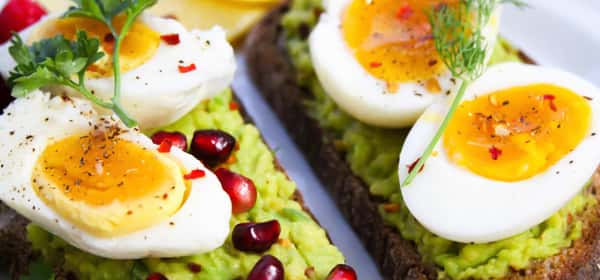
- Poached egg with sliced avocado and berries
- Spinach, mushroom, and feta crustless quiche
- Green smoothie with spinach, avocado, and nut milk plus cottage cheese
- Unsweetened Greek yogurt with berries and almonds
Lunch ideas
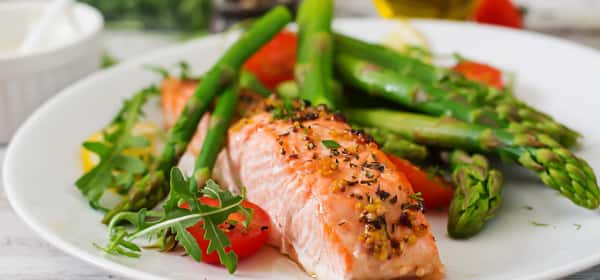
- Smoked salmon with avocado and asparagus
- Lettuce wrap with grilled chicken, black beans, red pepper, and salsa
- Kale and spinach salad with grilled tofu, chickpeas, and guacamole
Dinner ideas
- Enchilada salad with chicken, peppers, mango, avocado, and spices
- Ground turkey bake with mushrooms, onions, peppers, and cheese
- Antipasto salad with white beans, asparagus, cucumbers, olive oil, and Parmesan
- Roasted cauliflower with tempeh, Brussels sprouts, and pine nuts
- Salmon baked with ginger, sesame oil, and roasted zucchini
Snack ideas
- Cauliflower hummus with veggies
- Homemade trail mix with nuts and dried fruit
- Kale chips
- Cottage cheese with cinnamon and flaxseeds
- Spicy roasted chickpeas
- Roasted pumpkin seeds
- Tuna pouches
- Steamed edamame
Need help planning your meals? Check out our weight loss meal plan for more ideas.
How fast will you lose weight?
Results vary. In the first week of a new diet, it’s common to see a drop of 5 to 10 pounds (2.3–4.5 kg). Much of this is water weight, not fat.
People with more weight to lose often see faster initial results. But remember: sustainable weight loss happens at about 1–2 pounds per week. Going faster than that usually requires medical supervision.
Beyond the scale, a lower-carb or calorie-controlled approach can bring other benefits:
- Improved blood sugar levels
- Lower triglycerides
- Reduced LDL cholesterol
- Better blood pressure
Diets rich in whole foods and balanced macronutrients also support overall metabolic health. The best approach is one you can maintain for the long haul.
Summary: Expect quick water weight loss initially, followed by slower fat loss. Beyond weight, these dietary changes can improve blood sugar, cholesterol, and blood pressure.
Summary
Replacing refined carbs with whole foods helps control hunger—the biggest obstacle to sticking with any diet.
Whether you choose low-carb or calorie-controlled eating, you can enjoy satisfying meals while losing weight. The key is building meals around protein, vegetables, healthy fats, and fiber.
Quick initial weight loss is mostly water. Real fat loss takes time. Stay consistent, and the results will follow.
Silverii GA, Cosentino C, Santagiuliana F, et al. Effectiveness of low-carbohydrate diets for long-term weight loss in obese individuals: A meta-analysis of randomized controlled trials. Diabetes Obes Metab. 2022;24(8):1458-1468. PubMed ↩︎ ↩︎
Leidy HJ, Clifton PM, Astrup A, et al. The role of protein in weight loss and maintenance. Am J Clin Nutr. 2015;101(6):1320S-1329S. PubMed ↩︎ ↩︎ ↩︎
MacKenzie-Shalders K, Kelly JT, So D, Coffey VG, Byrne NM. The effect of exercise interventions on resting metabolic rate: A systematic review and meta-analysis. J Sports Sci. 2020;38(14):1635-1649. PubMed ↩︎
Lopez P, Taaffe DR, Galvão DA, et al. Resistance training effectiveness on body composition and body weight outcomes in individuals with overweight and obesity across the lifespan: A systematic review and meta-analysis. Obes Rev. 2022;23(5):e13428. PubMed ↩︎
Dennis EA, Dengo AL, Comber DL, et al. Water consumption increases weight loss during a hypocaloric diet intervention in middle-aged and older adults. Obesity (Silver Spring). 2010;18(2):300-307. PubMed ↩︎
Thompson SV, Hannon BA, An R, Holscher HD. Effects of isolated soluble fiber supplementation on body weight, glycemia, and insulinemia in adults with overweight and obesity: a systematic review and meta-analysis of randomized controlled trials. Am J Clin Nutr. 2017;106(6):1514-1528. PubMed ↩︎
Andrade AM, Greene GW, Melanson KJ. Eating slowly led to decreases in energy intake within meals in healthy women. J Am Diet Assoc. 2008;108(7):1186-1191. PubMed ↩︎
Bacaro V, Ballesio A, Cerolini S, et al. Sleep duration and obesity in adulthood: An updated systematic review and meta-analysis. Obes Res Clin Pract. 2020;14(4):301-309. PubMed ↩︎