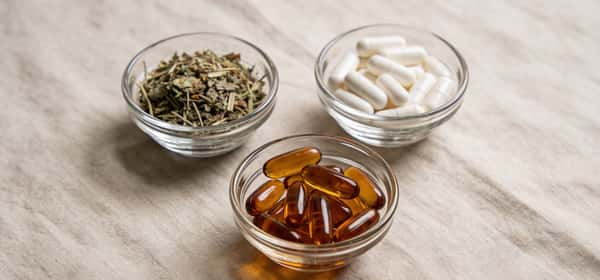
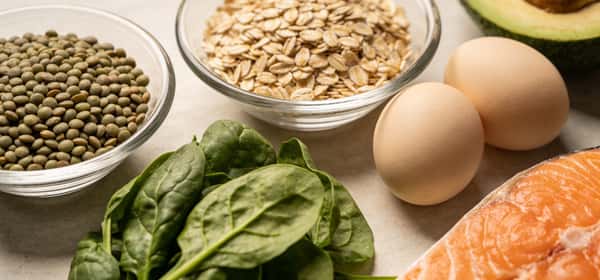
There’s a whole industry built on convincing men their testosterone is tanking and that a $60 bottle of pills will fix it. Most of it is noise. The truth is less exciting but far more useful: the things that actually move testosterone are mostly free, the supplements that help are a short list, and the ones with the loudest marketing tend to have the weakest evidence. If you want more testosterone, the smart play is to fix the basics first and treat supplements as a small bonus on top.
This is educational information, not medical advice. If you have symptoms of genuinely low testosterone, see a doctor and get tested — don’t self-diagnose or self-treat. Supplements aren’t tightly regulated, can interact with medications, and aren’t a substitute for medical care.
Quick answer: The biggest natural levers on testosterone are lifestyle, not pills: get enough sleep, lose excess body fat, lift heavy, manage chronic stress, and correct deficiencies in vitamin D, zinc, and magnesium. These have real human evidence behind them. On the supplement side, ashwagandha and tongkat ali have the best human data, vitamin D helps if you’re deficient, and shilajit and boron have smaller but promising results. The trendy ones like fadogia agrestis are mostly hype with little or no human research. Below, everything is ranked by how much evidence actually backs it.
Choose your goal and get a meal plan that considers your hormonal health.
Powered by DietGenie Eat healthy
 Lose weight
 Gain muscles
 Explore new cuisines
First, know your numbers
Before you change anything, get a sense of where you actually stand. Symptoms of genuinely low testosterone include persistent low libido, fatigue, low mood, loss of muscle, and erectile issues — but all of those have other causes too, so they’re not proof on their own.
If you’re worried, ask your doctor for a blood test (ideally a morning sample, when testosterone peaks). Two honest points:
- Normal is a wide range, and chasing a higher number when you’re already normal rarely helps. Most men feeling “off” don’t have clinically low testosterone; they have bad sleep, high stress, or extra body fat.
- If your levels are genuinely low, that’s a medical conversation, not a supplement one. Natural strategies can help mild cases, but real hypogonadism needs a doctor.
With that framing, here’s what works — biggest levers first.

The lifestyle levers that actually move the needle
This is where the real gains are. None of it is glamorous, and all of it is better-supported than anything in a bottle.
Sleep — the most underrated lever
Skimp on sleep and your testosterone drops, fast. In a tightly controlled study, just one week of sleeping only five hours a night lowered daytime testosterone in healthy young men by 10 to 15 percent — the kind of drop that would otherwise take 10 to 15 years of aging.1 Your body does most of its testosterone production during sleep, so chronic short sleep is like turning down the factory. Aim for seven to nine solid hours. If nothing else on this list changes, fix this first. Our guide on how much sleep you need is a good starting point.
Lose excess body fat
Body fat isn’t inert — fat tissue contains an enzyme (aromatase) that converts testosterone into estrogen, so carrying extra weight actively lowers your testosterone. Losing excess fat, especially around the belly, reliably nudges testosterone back up. This is one reason crash advice doesn’t help: it’s sustainable fat loss, not extreme dieting (which can lower testosterone), that wins.
Lift heavy and train hard
Resistance training is a genuine testosterone signal, and it compounds with the fat-loss benefit. Strength work and short, intense efforts do more for hormones than long slow cardio. In one trial, men doing resistance training while taking ashwagandha saw bigger strength, muscle, and testosterone gains than training alone — a reminder that the training itself is doing heavy lifting, not just the supplement.2
Suggested read: Hair Growth Supplements: What Works, What's Hype
Manage chronic stress
Cortisol, your main stress hormone, works against testosterone — when cortisol is chronically high, testosterone tends to sit lower. You can’t eliminate stress, but you can blunt the chronic kind with sleep, training, and downtime. We go deep on this in our cortisol guide.
Fix the deficiencies that matter
Three nutrients are worth checking because a shortfall directly drags testosterone down:
- Vitamin D. In deficient men, a year of vitamin D supplementation significantly raised total, bioactive, and free testosterone, while placebo did nothing.3 The catch: this works by correcting a deficiency, so it helps if you’re low — get your level checked and see high vitamin D foods and the best time to take vitamin D.
- Zinc. A genuine zinc deficiency lowers testosterone, and correcting it helps. More isn’t better once you’re replete. See high-zinc foods.
- Magnesium. Low magnesium is common and linked to lower testosterone, especially in active men.
The supplements — honestly tiered
Now the part everyone skips to. Here’s the unvarnished ranking.
| Tier | Supplement | What the evidence says |
|---|---|---|
| Best human data | Ashwagandha, tongkat ali | Real RCTs showing testosterone increases |
| Helps if deficient | Vitamin D, zinc, magnesium | Works by fixing a shortfall, not boosting past normal |
| Promising, smaller data | Shilajit, boron | Small human trials with positive signals |
| Hype, weak/animal-only | Fadogia agrestis, most “test boosters” | Little or no human evidence |
Ashwagandha has the most consistent support — multiple trials link it to modest testosterone increases, alongside lower stress and better training results.2 See our ashwagandha benefits guide.
Tongkat ali (Eurycoma longifolia) is the other standout: a meta-analysis of clinical trials found it significantly raised total testosterone, with the clearest effect in men who started low.4 Details in our tongkat ali guide.
Shilajit and boron are the interesting middle tier — both have small but real human studies suggesting a testosterone benefit. We cover them in shilajit and boron for testosterone.
Fadogia agrestis is the poster child for hype outrunning evidence: it’s all over social media but has essentially no human trials and some concerning animal safety data. Read fadogia agrestis before you touch it.
Suggested read: Tongkat Ali vs Fadogia Agrestis: Which Is Better?
What doesn’t work (and what to avoid)
A few red flags worth naming:
- “Proprietary blend” test boosters that hide doses are usually underdosed and overpriced. If a label won’t tell you how much of each ingredient you’re getting, that’s a no.
- D-aspartic acid, once hyped, has produced mixed and mostly disappointing results in trained men — see our d-aspartic acid and testosterone breakdown.
- Anything promising steroid-like gains from a “natural” pill. If it actually worked that powerfully, it wouldn’t be sold as a supplement.
- Ignoring foods that work against you. Diet quality matters; some foods and habits are linked to lower testosterone, covered in foods that lower testosterone.
The bottom line
If you only remember one thing: lifestyle beats supplements, by a lot. Sleep seven to nine hours, lose excess body fat, lift heavy, keep chronic stress in check, and fix any deficiency in vitamin D, zinc, or magnesium. Those moves are free, well-supported, and will do more for your testosterone than any capsule.
When you do reach for supplements, keep expectations modest and stick to the ones with human data — ashwagandha and tongkat ali first, vitamin D if you’re low, shilajit and boron as smaller bets. Skip the hyped, unproven stuff like fadogia until real evidence shows up. And if you genuinely suspect low testosterone, get tested and talk to a doctor rather than guessing your way through the supplement aisle.
Leproult R, Van Cauter E. Effect of 1 week of sleep restriction on testosterone levels in young healthy men. JAMA. 2011;305(21):2173-2174. PubMed ↩︎
Wankhede S, Langade D, Joshi K, Sinha SR, Bhattacharyya S. Examining the effect of Withania somnifera supplementation on muscle strength and recovery: a randomized controlled trial. J Int Soc Sports Nutr. 2015;12:43. PubMed ↩︎ ↩︎
Pilz S, Frisch S, Koertke H, et al. Effect of vitamin D supplementation on testosterone levels in men. Horm Metab Res. 2011;43(3):223-225. PubMed ↩︎
Leisegang K, Finelli R, Sikka SC, Panner Selvam MK. Eurycoma longifolia (Jack) Improves Serum Total Testosterone in Men: A Systematic Review and Meta-Analysis of Clinical Trials. Medicina (Kaunas). 2022;58(8):1047. PubMed ↩︎