Japanese walking is one of the easiest workouts to learn — but doing it right makes the difference between a pleasant stroll and a genuinely effective session. The whole method comes down to a simple rhythm and one rule: make the fast parts actually fast. Get that, and you’ve unlocked a free, low-impact, science-backed workout you can do anywhere. Here’s exactly how to do Japanese walking, from the intervals to a weekly plan to the mistakes that quietly sap your results.
Quick answer: To do Japanese walking, alternate 3 minutes of fast walking with 3 minutes of slow walking, repeat about 5 times for a 30-minute session, and aim for 4 or more sessions a week. Fast walking should feel moderately hard — you can talk, but not comfortably (about 7 out of 10 effort); slow walking is easy and conversational (about 3–4 out of 10). Warm up first, use a timer to signal the switches, and — most importantly — push genuinely during the fast bouts, since that’s what drives the benefits. Beginners can start with fewer intervals and build up. For the science and background, see Japanese walking.
What you need
Almost nothing, which is the point:
Choose your goal and get a personalized meal plan in minutes.
Powered by DietGenie Eat healthy
 Lose weight
 Gain muscles
 Explore new cuisines
- Comfortable shoes and clothes you can move in.
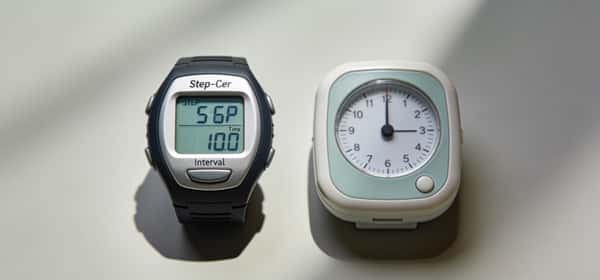
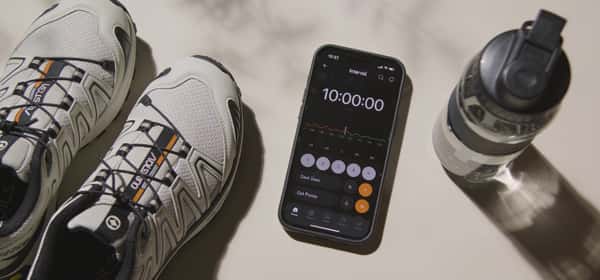
- A timer — your phone, a watch, or an interval-timer app to signal each 3-minute switch so you’re not constantly checking the clock.
- Somewhere to walk — a park, sidewalk, trail, treadmill, or track. Flat to start; add gentle hills later.
- Optional: a heart-rate monitor if you like data, though judging effort by feel works perfectly well.
No gym, no equipment, no membership.
The basic method, step by step
- Warm up (3–5 minutes). Start with easy walking and a few dynamic warm-up moves to loosen your legs and hips before you push the pace.
- Walk fast for 3 minutes. Pick up to a brisk, purposeful pace — arms pumping, breathing harder. Aim for “I could get a few words out, but not hold a conversation.”
- Walk slow for 3 minutes. Ease right back to a comfortable, relaxed pace and let your breathing recover.
- Repeat 5 times. That’s five fast and five slow intervals — about 30 minutes of intervals.
- Cool down (a few minutes). Finish with easy walking, and stretch your legs afterward if you like — the calf and ankle areas especially appreciate it after brisk walking.
- Repeat 4+ days a week to match what the research used.
That’s the entire workout. The structure never changes — you just get fitter and your “fast” pace gets faster.

How to judge your pace
You don’t need gadgets — the “talk test” and a simple effort scale (rating of perceived exertion, RPE, out of 10) work well:
| Interval | Feel | Talk test | RPE |
|---|---|---|---|
| Fast (3 min) | Moderately hard, purposeful | Can say a few words, not a sentence | ~7/10 |
| Slow (3 min) | Easy, relaxed | Can chat comfortably | ~3–4/10 |
The fast pace is the one that matters, and research shows the fast-walking effort is what drives the results — so don’t let it drift into a casual stroll.1 It should feel like work. The slow interval is deliberately easy so you can recover and hit the next fast one with real effort.
A simple weekly plan
Ease in and build up over a few weeks:
- Week 1–2 (beginner): 3 sessions, 3 fast/3 slow intervals each (about 18 minutes). Keep the fast pace moderate.
- Week 3–4: 4 sessions, 4 intervals each.
- Week 5+ (full protocol): 4+ sessions, 5 intervals each (the ~30-minute standard).
- Ongoing: as you get fitter, your fast pace naturally quickens — that’s progress. You can also add gentle hills or a slightly faster fast pace to keep challenging yourself.
There’s no need to rush to the full version; consistency matters more than doing all five intervals on day one.
Common mistakes to avoid
Most people who feel underwhelmed by Japanese walking are making one of these errors:
- Not going hard enough in the fast bouts. This is the big one. If your “fast” is just a slightly brisk stroll, you lose most of the benefit — the intensity is the medicine.1 Push until it feels genuinely effortful.
- Skipping the recovery. The slow intervals aren’t optional filler; they let you recover enough to make the next fast bout count. Don’t turn the whole thing into one medium-hard slog.
- Watching the clock instead of using a timer. Constant clock-checking breaks your rhythm. Set an interval timer and just walk.
- Doing it too rarely. The benefits come from regular sessions (4+ a week), not the occasional heroic effort.
- Forgetting to warm up. A few minutes of easy walking first reduces the risk of strains and helps you hit the first fast interval smoothly.
Tips to get the most out of it
- Anchor it to a habit — same time most days makes consistency easier.
- Use music or a podcast, but keep an interval timer audible over it.
- Track your fast pace occasionally; watching it improve is motivating.
- Pair it with good nutrition — if a goal is weight loss, exercise works best alongside a sensible diet; see Japanese walking for weight loss.
- Progress gradually by adding intervals, hills, or a faster fast pace rather than doing marathon sessions.
Who should take extra care
Japanese walking is low-impact and widely suitable, but a few sensible cautions:
- If you have heart disease, high blood pressure, joint problems, or have been inactive, check with your doctor before starting higher-intensity intervals.
- Ease in gradually rather than jumping straight to maximum effort, especially if you’re new to exercise.
- Listen to your body — the fast pace should be challenging, not painful.
Indoors on a treadmill works just as well as outdoors: adjust speed (and optionally incline) for the fast intervals instead of pace on the road, which makes it easy to do in any weather.
Suggested read: Japanese Walking: The Science-Backed Trend Explained
The bottom line
Doing Japanese walking is simple: alternate 3 minutes of genuinely brisk walking with 3 minutes of easy recovery, repeat about five times for a 30-minute session, and do it four or more days a week. Warm up first, use a timer to handle the switches, judge your effort with the talk test, and build up from fewer intervals if you’re a beginner.
The one rule that determines whether it works is effort in the fast bouts — that’s what the research pinpoints as the driver of results, so make those three minutes count and treat the slow ones as recovery. Nail that, stay consistent, and you’ve got a free, low-impact, evidence-based workout that fits almost any schedule. For why it’s worth doing, see Japanese walking.