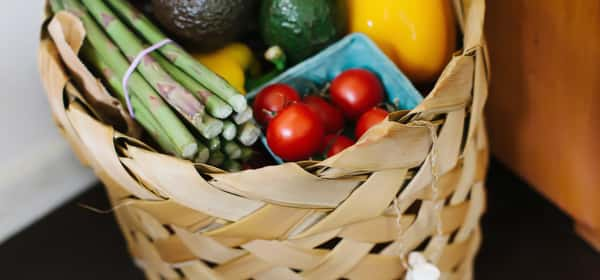
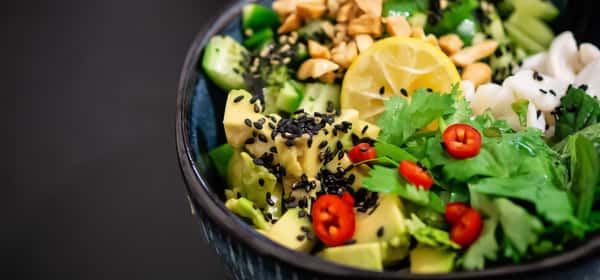
Figuring out which foods are actually healthy can feel overwhelming.
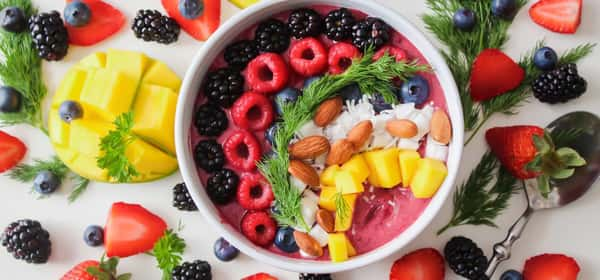
The good news: plenty of nutritious foods are also delicious. By filling your plate with fruits, vegetables, quality protein sources, and whole grains, you can create meals that are colorful, satisfying, and good for your health.
Research consistently shows that dietary patterns emphasizing whole, minimally processed foods—like the Mediterranean and DASH diets—are associated with better cardiovascular health and reduced disease risk.12
Choose your goal and get a personalized meal plan in minutes.
Powered by DietGenie Eat healthy
 Lose weight
 Gain muscles
 Explore new cuisines
Here are 50 healthy foods worth adding to your diet.
In this article
1–6: Fruits and berries
Fruits and berries are some of the most popular healthy foods. They’re sweet, nutritious, and require little to no preparation.
1. Apples
Apples are high in fiber, vitamin C, and various antioxidants. They’re filling and make a perfect snack between meals.
2. Avocados
Unlike most fruits, avocados are loaded with healthy fats rather than carbs. They’re creamy, versatile, and high in fiber, potassium, and vitamin C.
3. Bananas
Bananas are one of the best sources of potassium. They’re also high in vitamin B6 and fiber, plus they’re convenient and portable.
4. Blueberries
Blueberries rank among the most powerful sources of antioxidants in the world, and they taste great too.
5. Oranges
Oranges are famous for their vitamin C content and are also high in fiber and antioxidants.
6. Strawberries
Strawberries are nutritious yet low in both carbs and calories. They’re loaded with vitamin C, fiber, and manganese.
Other healthy fruits
Other nutritious options include cherries, grapes, grapefruit, kiwifruit, lemons, mango, melons, olives, peaches, pears, pineapples, plums, and raspberries.
7. Eggs
Eggs are among the most nutrient-dense foods available.
They were once avoided due to cholesterol concerns, but research now shows that moderate egg consumption is safe for most people and provides high-quality protein, choline, and various vitamins.

8–10: Meats
Unprocessed, properly cooked meat is a highly nutritious food when consumed as part of a balanced diet.
8. Lean beef
Lean beef is one of the best protein sources and provides highly bioavailable iron. Fattier cuts work well for those following a low-carb diet.
9. Chicken breasts
Chicken breast is low in fat and calories but packed with protein. It’s also a good source of B vitamins and selenium.
10. Lamb
Lamb, especially from grass-fed animals, tends to be higher in omega-3 fatty acids than other red meats.
11–15: Nuts and seeds
Despite being calorie-dense, nuts and seeds can support weight management when eaten in moderation. They’re filling, crunchy, and provide nutrients many people lack, including magnesium and vitamin E.
11. Almonds
Almonds are rich in vitamin E, antioxidants, magnesium, and fiber. Research suggests they may support metabolic health.
12. Chia seeds
Chia seeds pack an impressive nutritional punch. One ounce (28 grams) provides 11 grams of fiber along with magnesium, manganese, calcium, and other nutrients.
13. Coconuts
Coconuts contain fiber and medium-chain triglycerides (MCTs), a type of fatty acid that’s metabolized differently than other fats.
14. Macadamia nuts
Macadamia nuts are higher in monounsaturated fats and lower in omega-6 fatty acids than most other nuts.
Suggested read: Mediterranean Diet: Beginner's Guide and Meal Plan
15. Walnuts
Walnuts are nutritious and loaded with fiber, omega-3 fatty acids, and various vitamins and minerals.
16–25: Vegetables
Calorie for calorie, vegetables are among the most nutrient-dense foods you can eat. Variety matters—try to include different types throughout the week.
16. Asparagus
Asparagus is low in carbs and calories while being an excellent source of vitamin K.
17. Bell peppers
Bell peppers come in several colors and are crunchy, sweet, and packed with antioxidants and vitamin C.
18. Broccoli
Broccoli is a cruciferous vegetable that tastes great raw or cooked. It provides fiber, vitamins C and K, and a decent amount of protein for a vegetable.
19. Carrots
Carrots are crunchy and loaded with fiber, vitamin K, and carotene antioxidants that your body converts to vitamin A.
20. Cauliflower
Cauliflower is versatile enough to use in countless dishes—from pizza crust to rice substitutes—and nutritious on its own.
21. Cucumber
Cucumbers are low in calories, consisting mostly of water. They provide small amounts of vitamin K and are refreshing in salads.
22. Garlic
Garlic contains organosulfur compounds with potential immune-supporting properties.
23. Kale
Kale is exceptionally high in fiber, vitamins C and K, and various antioxidants. It adds satisfying crunch to salads.
24. Onions
Onions contain bioactive compounds and add flavor to countless recipes.
25. Tomatoes
Tomatoes (technically a fruit) are loaded with potassium, vitamin C, and lycopene—a powerful antioxidant.
More healthy vegetables
Other vegetables worth eating include artichokes, Brussels sprouts, cabbage, celery, eggplant, leeks, leafy greens, lettuce, mushrooms, radishes, squash, Swiss chard, turnips, and zucchini.
Suggested read: Top 14 Healthiest Vegetables on Earth for Optimal Nutrition
26–31: Fish and seafood
Fish and seafood are excellent sources of omega-3 fatty acids and iodine—two nutrients many people don’t get enough of.
Studies show that people who eat more seafood tend to live longer and have lower risk of heart disease, dementia, and depression.1
26. Salmon
Salmon is popular for good reason. It’s tasty and rich in protein, omega-3 fatty acids, and vitamin D.
27. Sardines
Sardines are small, oily fish that pack substantial amounts of nearly every nutrient your body needs.
28. Shellfish
Shellfish ranks high in nutrient density. Options include clams, mussels, and oysters.
29. Shrimp
Shrimp is low in fat and calories but high in protein, selenium, and vitamin B12.
30. Trout
Trout is a delicious freshwater fish with a nutritional profile similar to salmon.
31. Tuna
Tuna is high in protein and low in fat, making it popular for those watching their calorie intake. Choose low-mercury varieties when possible.
32–34: Grains
Some grains are nutritious staples, though they’re higher in carbs and not suitable for very low-carb diets.
32. Brown rice
Brown rice is a staple for much of the world’s population. It provides fiber, vitamin B1, and magnesium.
33. Oats
Oats are loaded with beta-glucan fiber, which has been linked to improved cholesterol levels and other health benefits.
34. Quinoa
Quinoa is a popular pseudo-grain that’s high in fiber, magnesium, and plant-based protein.
35–36: Bread
Finding healthy bread can be challenging, but options exist.
35. Ezekiel bread
Ezekiel bread is made from organic, sprouted whole grains and legumes—a more nutritious option than refined white bread.
36. Homemade low-carb bread
Making your own bread lets you control the ingredients. Look for recipes using almond flour or other lower-carb alternatives.
37–40: Legumes
Legumes are excellent plant-based protein sources. While they contain compounds that can interfere with nutrient absorption, proper soaking and cooking eliminates most concerns.
37. Green beans
Green beans (string beans) are popular in Western cooking and provide fiber and vitamins.
38. Kidney beans
Kidney beans are high in fiber and various vitamins and minerals. Always cook them thoroughly, as raw kidney beans are toxic.
39. Lentils
Lentils are protein-rich and among the best plant-based protein sources available.
40. Peanuts
Peanuts (technically legumes, not nuts) are nutritious and high in protein and antioxidants. Just watch portions with peanut butter—it’s calorie-dense and easy to overeat.
41–43: Dairy
For those who tolerate dairy, it’s a good source of several important nutrients.
Full-fat dairy may be preferable—studies suggest people who consume full-fat dairy have lower rates of obesity and type 2 diabetes. Dairy from grass-fed cows contains more beneficial fatty acids and vitamin K2.
41. Cheese
Cheese is nutrient-dense. A single slice can provide nutrients comparable to a cup of milk.
42. Whole milk
Whole milk provides vitamins, minerals, quality protein, and healthy fats. It’s also one of the best dietary sources of calcium.
43. Yogurt
Yogurt has similar benefits to milk, with the added advantage of probiotic bacteria in varieties containing live cultures. Look for plain, unsweetened options.
44–46: Fats and oils
Not all fats are created equal. These options provide healthy fatty acids.
44. Butter from grass-fed cows
Grass-fed butter is higher in vitamin K2 and beneficial fatty acids than conventional butter.
45. Coconut oil
Coconut oil contains MCTs and works well for high-heat cooking.
46. Extra virgin olive oil
Extra virgin olive oil is rich in heart-healthy monounsaturated fats and antioxidants. It’s a cornerstone of the Mediterranean diet.1
47–48: Tubers
Tubers are the storage organs of certain plants and provide sustained energy.
47. Potatoes
Potatoes are high in potassium and contain small amounts of almost every nutrient you need. Boiled potatoes rank among the most satiating foods.
48. Sweet potatoes
Sweet potatoes are loaded with antioxidants, fiber, and various nutrients. They’re naturally sweet and satisfying.
49. Apple cider vinegar
Apple cider vinegar may help with blood sugar management and can add flavor to salad dressings and marinades.
Suggested read: 20 Delicious High Protein Foods to Eat for Health & Muscle
50. Dark chocolate
Dark chocolate is high in magnesium and among the most potent sources of antioxidants. Choose varieties with at least 70% cocoa for maximum benefits.
Summary
Building a healthier diet doesn’t require complicated meal plans. Adding more of these whole, minimally processed foods to your routine can make a meaningful difference.
Start with the foods you already enjoy and gradually expand your choices. Many of these options work as snacks, meal components, or both—making them easy to incorporate into daily eating.
Martínez-González MA, Gea A, Ruiz-Canela M. The Mediterranean Diet and Cardiovascular Health. Circ Res. 2019;124(5):779-798. PubMed ↩︎ ↩︎ ↩︎
Chiavaroli L, Viguiliouk E, Nishi SK, et al. DASH Dietary Pattern and Cardiometabolic Outcomes: An Umbrella Review of Systematic Reviews and Meta-Analyses. Nutrients. 2019;11(2):338. PubMed ↩︎