In a longevity world obsessed with exotic, expensive compounds, glycine is refreshingly boring — it’s a simple amino acid that costs almost nothing and that your body already makes. Yet it quietly does several genuinely useful things, from helping you sleep to supporting the markers researchers care about in healthy aging. It won’t get the influencer hype that flashier supplements do, precisely because nobody can charge much for it. But on an evidence-per-dollar basis, glycine is one of the better-value supplements you can take. Here’s why.
Quick answer: Glycine is a non-essential amino acid (your body makes some, and you get more from protein) that plays roles in sleep, the production of the antioxidant glutathione, and collagen formation. Taking around 3 grams before bed has been shown to improve sleep quality, and glycine combined with NAC (a combo called “GlyNAC”) improved glutathione levels, oxidative stress, and several aging markers in older adults. It’s cheap, safe, and well tolerated. It’s not a miracle longevity pill, but it’s an unusually good-value, evidence-backed supplement. For where it fits the bigger picture, see longevity supplements.
What glycine is and what it does
Glycine is the smallest amino acid, and despite being “non-essential” (meaning your body can make it), it’s involved in a surprising number of important jobs:
Real meals matter more than any supplement. Choose your goal and get your plan.
Powered by DietGenie Eat healthy
 Lose weight
 Gain muscles
 Explore new cuisines
- Neurotransmission — it acts as a calming, inhibitory signal in the nervous system, which underpins its sleep effects.
- Glutathione production — glycine is one of three amino acids your body uses to build glutathione, its master antioxidant.
- Collagen — glycine makes up roughly a third of collagen, the structural protein in skin, joints, and connective tissue. It’s a big reason collagen supplements are glycine-rich.
- Metabolism — it’s involved in various metabolic and detoxification pathways.
Despite your body making it, many people may not produce optimal amounts for all these jobs, which is the rationale for supplementing.
Glycine for sleep
This is glycine’s best-known and best-supported everyday benefit, and it’s a nice one because it’s both cheap and gentle.
Research has shown that taking about 3 grams of glycine before bed improves subjective sleep quality in people with sleep complaints, helping them feel more rested. The likely mechanism is interesting: glycine appears to lower core body temperature (by increasing blood flow to the extremities), and a drop in core temperature is part of how your body initiates sleep.1 So rather than knocking you out like a sedative, glycine seems to nudge your body toward its natural sleep-onset state.
For anyone looking for a non-habit-forming sleep aid, glycine is a reasonable, well-tolerated option — see our guides on natural sleep aids and how much sleep you need for the bigger sleep picture.
Glycine, GlyNAC, and aging
This is where glycine crosses from “useful everyday supplement” into “longevity contender,” and it’s genuinely interesting.
The longevity angle centers on glutathione, your cells’ master antioxidant, which tends to decline with age, contributing to oxidative stress and mitochondrial dysfunction. Because glycine is a building block of glutathione, researchers tested whether supplementing it (alongside NAC, another glutathione precursor) could restore the body’s antioxidant defenses in older adults.
The combination — nicknamed GlyNAC — produced striking results in a small randomized trial. Over 16 weeks, GlyNAC supplementation in older adults improved glutathione deficiency, oxidative stress, mitochondrial function, inflammation, insulin resistance, physical function, and several hallmarks of aging, and was safe and well tolerated.2 It’s a small study and needs replication in larger trials, but it’s one of the more provocative human results in the nutritional-longevity space.
The takeaway: glycine isn’t just a sleep aid; as part of GlyNAC it targets a real aging mechanism, with encouraging (if preliminary) human data.
Glycine at a glance
| Glycine | |
|---|---|
| What it is | Small amino acid; glutathione and collagen building block |
| Best evidence | Sleep quality (~3 g before bed) |
| Longevity angle | GlyNAC improved aging markers in older adults |
| Cost | Very low |
| Safety | Safe and well tolerated |
How to take glycine
- For sleep: around 3 grams (roughly a teaspoon of the powder) dissolved in water 30–60 minutes before bed. It has a mildly sweet taste, which makes it easy to take.
- For general/aging support: doses vary; the GlyNAC research used larger amounts of glycine paired with NAC, under study conditions. If you’re interested in the GlyNAC approach specifically, it’s worth discussing dosing with a knowledgeable clinician rather than guessing.
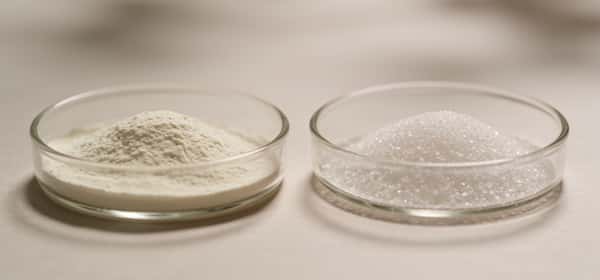
- Form: glycine powder is cheap and dissolves easily; capsules exist but you’d need several to reach a few grams.
- Safety: glycine is well tolerated, with occasional mild digestive upset at higher doses. It’s one of the lower-risk supplements out there.
Glycine pairs naturally with collagen (which is loaded with it) and sits in the “best human data” tier of longevity supplements alongside urolithin A — both have real randomized evidence, unlike flashier but less-tested options.
Other potential benefits
Beyond sleep and the GlyNAC aging research, glycine is studied for a few more things, with varying strength of evidence:
- Blood sugar and metabolic health. Glycine levels tend to be lower in people with type 2 diabetes, and some research suggests it may support glucose metabolism — though this is still being worked out.
- Joints and connective tissue. As a major component of collagen, adequate glycine supports the raw materials your body uses for cartilage, tendons, and skin. This overlaps with why people take collagen in the first place.
- Antioxidant defense. Through its role in glutathione, glycine supports your body’s handling of oxidative stress, which ties back to the aging research above.
None of these is a blockbuster on its own, but together they paint glycine as a quietly versatile amino acid rather than a one-trick sleep aid.
Suggested read: Urolithin A: Benefits, Evidence, and How It Works
The bottom line
Glycine is the unglamorous overachiever of the supplement world. It has solid evidence for improving sleep quality at a simple ~3-gram bedtime dose, it’s a building block of both glutathione and collagen, and as part of the GlyNAC combination it produced encouraging improvements in oxidative stress, mitochondrial function, and aging markers in older adults. All of that for a supplement that costs very little and is exceptionally well tolerated.
It won’t grab headlines the way exotic longevity compounds do, but that’s part of the appeal — the evidence is real, the risk is low, and the price is trivial. If you want one genuinely good-value addition to a longevity-minded routine, glycine is hard to beat. See longevity supplements for how it stacks up against the rest.
Bannai M, Kawai N. New therapeutic strategy for amino acid medicine: glycine improves the quality of sleep. J Pharmacol Sci. 2012;118(2):145-148. PubMed ↩︎
Kumar P, Liu C, Suliburk J, et al. Supplementing Glycine and N-Acetylcysteine (GlyNAC) in Older Adults Improves Glutathione Deficiency, Oxidative Stress, Mitochondrial Dysfunction, Inflammation, Physical Function, and Aging Hallmarks: A Randomized Clinical Trial. J Gerontol A Biol Sci Med Sci. 2023;78(1):75-89. PubMed ↩︎