Thanks to glucose monitors and a wave of “flatten your curve” content, glucose spikes have become the wellness villain of the moment. Every jagged line on a graph gets treated like damage being done to your body. The reality is more reassuring and more nuanced: a glucose spike after eating is a completely normal thing that happens to everyone, but the size and frequency of your spikes do matter for how you feel day to day and, over the long run, for your metabolic health. Here’s how to think about them without the panic.

Quick answer: A glucose spike is the rise in blood sugar after you eat carbohydrates — and it’s normal. In people without diabetes, your body handles spikes automatically with insulin. They’re not inherently “bad,” and you don’t need to eliminate them. What’s worth managing is the pattern of repeatedly large, sharp spikes (and the crashes that follow), which can leave you tired, hungry, and craving more sugar, and over many years may strain metabolic health. The fixes are simple: pair carbs with fiber, protein, and fat, eat them after vegetables and protein, choose less-refined carbs, and walk after meals.
What a glucose spike actually is
When you eat carbohydrates, they break down into glucose and enter your bloodstream, raising your blood sugar. Your pancreas responds by releasing insulin, which ushers that glucose into your cells for energy. Blood sugar rises, peaks, and returns toward baseline — usually within an hour or two.
Choose your goal and get a meal plan that considers your blood sugar.
Powered by DietGenie Eat healthy
 Lose weight
 Gain muscles
 Explore new cuisines
That rise is the “spike.” How high it goes and how fast depends on what you ate (refined carbs spike faster and higher than fiber-rich ones), what you ate it with, and your own metabolism. A spike is not a malfunction — it’s your body doing exactly what it’s designed to do with food.
Are glucose spikes actually bad?
This is the key question, and the honest answer is “it depends on the context.”
For people without diabetes: an occasional spike is harmless. Your insulin response clears it efficiently, and one spike isn’t damaging anything. The wellness narrative that every spike is “hurting you” overstates the case for metabolically healthy people.
What does matter:
- Repeated, exaggerated spikes from a diet of refined carbs and sugar eaten alone. Chronically riding a sharp glucose roller coaster is associated with poorer metabolic health over time, and reducing those big excursions is a sensible goal.1
- The crash afterward. A steep spike often triggers an oversized insulin response and a dip in blood sugar a couple of hours later — the slump that leaves you foggy and reaching for a snack. See how to avoid sugar crashes.
So the useful framing isn’t “spikes are bad,” it’s “you don’t need to fear a single spike, but you don’t want your whole day to be one big spike-and-crash cycle.” For people with prediabetes, insulin resistance, or PCOS, keeping spikes moderate matters more — see insulin and insulin resistance.

What causes the biggest spikes
Not all foods spike you equally. The sharpest rises come from:
- Refined carbohydrates eaten alone — white bread, sugary cereal, pastries, white rice.
- Sugary drinks and juice — liquid sugar hits fast, with nothing to slow it.
- Low-fiber, low-protein meals — nothing to blunt the absorption.
- Large portions of carbs in one sitting.
The common thread: fast-digesting carbs with nothing to slow them down. That also points straight to the solution.
How to blunt a glucose spike
You don’t need to cut carbs out — you need to slow them down. The evidence-backed tactics:
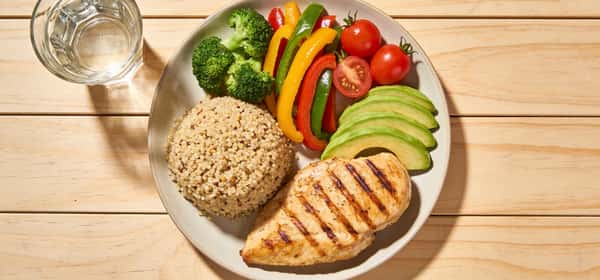
- Add fiber, protein, and fat to carbs. These slow digestion and flatten the curve. A sandwich with protein and veg spikes far less than white bread alone.
- Eat carbs last. Having vegetables and protein before your carbohydrate significantly lowers the glucose rise — covered in food order for blood sugar.
- Choose less-refined carbs. Whole grains, legumes, and lower-glycemic-index options rise more gently than refined ones.
- Walk after eating. Light walking after a meal meaningfully lowers the post-meal glucose rise — your muscles use up some of that glucose directly.
- Don’t drink your sugar. Swap juice and sugary drinks for water; liquid sugar produces some of the sharpest spikes.
Many of these habits were popularized by Jessie Inchauspé in Glucose Revolution, which digs into the science behind each one.
For the full toolkit, see blood sugar balance.
Suggested read: Why You're Tired After Eating & How to Avoid It
A reality check on glucose monitors
Continuous glucose monitors (CGMs) have driven much of the spike obsession, with companies marketing them to healthy people. A bit of perspective:
- They can be genuinely educational — seeing how a specific meal affects you is interesting and can motivate better choices.
- But for a metabolically healthy person, watching every wiggle can breed unnecessary anxiety about normal responses, and may push people to avoid healthy foods (like fruit or whole grains) that cause a harmless spike.
- You don’t need a CGM to eat in a blood-sugar-friendly way; the habits above work regardless.
Use one as a curiosity tool if you like, not as a source of food fear.
Not all spikes are equal
One nuance the panic misses: the source of a spike matters as much as the spike itself. Whole fruit, oats, and legumes can nudge your glucose up, but they come bundled with fiber, vitamins, and antioxidants — so the modest rise they cause is nothing to avoid. A glazed donut and a bowl of lentils are not the same just because both contain carbs.
This is why blanket “avoid all spikes” advice can backfire: it scares people away from genuinely healthy foods like fruit while treating the glucose number as the only thing that matters. A smarter lens is to look at the whole food. Minimally processed, fiber-rich carbs are worth eating even if they raise your glucose a little; it’s the refined, fiber-stripped carbs eaten alone that produce the sharp, crash-prone spikes worth softening.
The honest perspective
| Mindset | Reality |
|---|---|
| “Every spike damages me” | Overblown for healthy people; spikes are normal |
| “I must have a flat line” | Unrealistic and unnecessary |
| “Big, frequent spikes don’t matter” | They affect energy, cravings, and long-term health |
| “Simple habits can soften spikes” | True and worthwhile |
The middle path — soften the big swings with easy habits, don’t panic over normal ones — is where the real benefit lives.
Suggested read: Food Order for Blood Sugar: Eat This Before Carbs
The bottom line
Glucose spikes are a normal, healthy response to eating carbohydrates, not a sign of damage — especially if you don’t have diabetes. What’s worth managing is the pattern of repeatedly large, sharp spikes from refined carbs eaten alone, because those drive the energy crashes and cravings you actually feel, and over years they’re not great for metabolic health.
The fixes are refreshingly simple and don’t require giving up carbs or buying a monitor: pair carbs with fiber, protein, and fat, eat them after your veggies and protein, choose less-refined options, and take a short walk after meals. Soften the big swings, skip the spike anxiety, and you get the real benefits without the obsession.