A decade ago, “lose 15% of your body weight with a once-weekly shot” would have sounded like a scam. Now it’s the headline result from large randomized trials. This guide explains what GLP-1 for weight loss really means, how these drugs quiet your appetite, which medications exist, how much weight people actually lose, and the trade-offs nobody mentions in the ads.
This is educational information, not medical advice. Semaglutide, tirzepatide, liraglutide, and similar drugs are prescription-only and must be supervised by a licensed prescriber who knows your history. Many “research peptides” sold online are labeled “research use only,” are not FDA-approved for human use, and may be impure or mislabeled. Talk to a doctor or pharmacist before you start, change, or stop any dose. Don’t use this article to source or self-administer unapproved substances.
Quick answer: GLP-1 medications are injectable drugs that mimic a gut hormone your body already makes. They slow how fast your stomach empties and turn down hunger signals in your brain, so you eat less without white-knuckling it. In trials, people lose roughly 6% to 21% of their body weight depending on the drug and dose. They work while you take them, and most people regain a big chunk of the weight if they stop.
Choose your goal and get a meal plan that makes losing weight simpler.
Powered by DietGenie Lose weight
 Gain muscles
 Eat healthy
 Explore new cuisines
What is a GLP-1 (and how is GLP-1 weight loss different)?
GLP-1 stands for glucagon-like peptide-1, a hormone your small intestine releases after you eat. It tells your pancreas to release insulin, tells your liver to ease off on glucose, and tells your brain you’ve had enough. The catch: natural GLP-1 breaks down in a couple of minutes.
A GLP-1 agonist is a lab-made molecule shaped like that hormone but engineered to last days instead of minutes. That’s the whole trick. These are also called GLP-1 receptor agonists (GLP-1 RAs). The newer drug tirzepatide adds a second target, GIP, which is why it’s sometimes in its own “twincretin” category.
If you want the broader chemistry of these molecules, peptides for weight loss is a good starting overview of how engineered peptides like these are built and used.
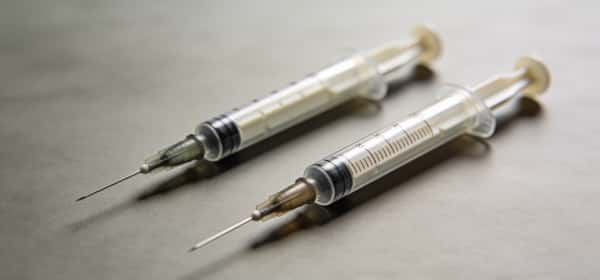
How GLP-1 works in your body
There’s no magic. GLP-1 medications work through a few concrete mechanisms:
- Slower gastric emptying. Food sits in your stomach longer, so you feel full sooner and stay full. This is also why nausea is the most common complaint.
- Appetite signaling in the brain. GLP-1 receptors in the hypothalamus dial down hunger and “food noise” — that constant background chatter about snacks.
- Better insulin response. The drugs prompt insulin release only when blood sugar is high, which is why they started as diabetes medications. If insulin resistance is your sticking point, that’s part of the same hormonal picture.
- Lower reward from food. Many people report that hyper-palatable food and alcohol just feel less interesting.
The net effect is a calorie deficit you don’t have to fight for. You’re not “tricking” your metabolism so much as borrowing a satiety signal your body already uses.
GLP-1 drugs list: the main medications
Here are the GLP-1 medications you’ll actually run into, by generic name and brand:
| Drug (generic) | Brand names | Target | Dosing | Approved for |
|---|---|---|---|---|
| Semaglutide | Wegovy, Ozempic | GLP-1 | Weekly injection | Wegovy: obesity; Ozempic: type 2 diabetes |
| Tirzepatide | Zepbound, Mounjaro | GLP-1 + GIP | Weekly injection | Zepbound: obesity; Mounjaro: type 2 diabetes |
| Liraglutide | Saxenda, Victoza | GLP-1 | Daily injection | Saxenda: obesity; Victoza: type 2 diabetes |
A few notes worth knowing:
Suggested read: Microdosing GLP-1: What It Means and the Risks
- Ozempic vs Wegovy is the same molecule (semaglutide) at different approved doses and labels. Same goes for Mounjaro vs Zepbound (tirzepatide).
- Liraglutide is the older, daily option. It generally produces less weight loss than the weekly drugs, which is why most newer prescriptions skip straight to semaglutide or tirzepatide.
- Retatrutide is a triple-receptor agonist still in trials and not yet approved; early data is striking.
- Compounded versions flooded the market during shortages. They’re a legal gray area with real quality concerns — read compounded GLP-1 before going that route.
How well does GLP-1 for weight loss actually work?
This is where the trials matter, because marketing rounds everything up. Average results from the big randomized studies:
- Semaglutide 2.4 mg (Wegovy): about -14.9% of body weight at 68 weeks in the STEP 1 trial.1
- Tirzepatide (Zepbound): about -15.0% at 5 mg, -19.5% at 10 mg, and -20.9% at 15 mg over 72 weeks in SURMOUNT-1.2
- Head-to-head in type 2 diabetes: tirzepatide beat semaglutide on blood sugar and weight in SURPASS-2.3
- Retatrutide (experimental): up to roughly -24% at 48 weeks on the 12 mg dose in a phase 2 trial.4
These are averages. Some people lose more, some lose much less, and around 10% to 15% are “non-responders” who barely move. Curious how the math plays out for your starting weight? Plug your numbers into the projection tool below.
GLP-1 Weight Loss Projection
For the semaglutide-versus-tirzepatide decision specifically, semaglutide vs tirzepatide breaks down efficacy, cost, and tolerability side by side.
Suggested read: Saxenda (Liraglutide): How the Daily Shot Works
Who are GLP-1 drugs for?
GLP-1 medications are approved for weight management when you have:
- A BMI of 30 or higher (obesity), or
- A BMI of 27 or higher plus a weight-related condition like type 2 diabetes, high blood pressure, or sleep apnea.
Beyond the scale, semaglutide cut the risk of major cardiovascular events — heart attack, stroke, cardiovascular death — by about 20% in people with obesity and existing heart disease but no diabetes, in the SELECT trial.5 That’s a genuinely big deal and part of why prescribing has expanded.
Who should be cautious or avoid them? Anyone with a personal or family history of medullary thyroid cancer or MEN2 syndrome, a history of pancreatitis, or who is pregnant or trying to conceive. A review of GLP-1 tolerability and contraindications lays out the full picture.6 This is a conversation for your prescriber, not a checklist you self-clear.
If your weight gain is driven by other factors, it’s worth understanding the causes of weight gain and obesity first — these drugs treat one mechanism, not all of them.
The trade-offs nobody puts in the ad
Real talk on the downsides:
- GI side effects are common. Nausea, constipation, diarrhea, and reflux affect a large share of users, especially while titrating up. Most fade over weeks. See semaglutide side effects and tirzepatide side effects.
- Muscle loss is real. A chunk of the weight you drop is lean mass, not just fat. Studies show meaningful lean-body-mass loss on GLP-1 therapy, with resistance training and adequate protein as the main mitigations.7 Mechanistic work suggests muscle-preserving strategies and drugs are an active research area.8 Practically: lift and eat enough protein.
- Cost. List prices run roughly $1,000+ per month in the US without insurance coverage, and coverage is inconsistent.
- Weight regain after stopping. When people stop, appetite returns and most regain a large share of the lost weight. These work like blood-pressure meds, not antibiotics — the effect lasts as long as you take them.
- The injection learning curve. It’s a small subcutaneous shot; where to inject GLP-1 covers the basics.
Dosing, microdosing, and the “natural” question
Standard dosing always starts low and steps up over weeks to limit nausea. Don’t rush it — faster is not better here. Drug-specific schedules live in semaglutide dosage and tirzepatide dosage.
A few related topics people ask about:
Suggested read: Retatrutide: The Triple Agonist Explained
- Microdosing (using sub-therapeutic amounts) is trendy but under-studied, and the honest answer is that the evidence base is still thin.
- GLP-1 patches are mostly marketing — the evidence that any transdermal version reaches a useful dose is weak.
- Natural GLP-1 support through diet won’t match a drug, but protein, fiber, and meal timing genuinely nudge your own GLP-1 up. Pairing the medication with that kind of eating pattern tends to make it more comfortable, not less.
Bottom line
GLP-1 for weight loss is the most effective non-surgical option we’ve ever had, and the heart-health data makes it more than a vanity drug. But it’s a long-term prescription medication with real costs, real side effects, and a real risk of regain if you stop. Lift to protect muscle, eat enough protein, and treat the diet and lifestyle work as part of the plan, not an afterthought. Most of all: make the decision with a prescriber who knows your full history, not with an online seller.
Wilding JPH, et al. Once-Weekly Semaglutide in Adults with Overweight or Obesity. N Engl J Med. 2021;384(11):989-1002. PubMed ↩︎
Jastreboff AM, et al. Tirzepatide Once Weekly for the Treatment of Obesity. N Engl J Med. 2022;387(3):205-216. PubMed ↩︎
Frias JP, et al. Tirzepatide versus Semaglutide Once Weekly in Patients with Type 2 Diabetes. N Engl J Med. 2021;385(6):503-515. PubMed ↩︎
Jastreboff AM, et al. Triple-Hormone-Receptor Agonist Retatrutide for Obesity - A Phase 2 Trial. N Engl J Med. 2023;389(6):514-526. PubMed ↩︎
Lincoff AM, et al. Semaglutide and Cardiovascular Outcomes in Obesity without Diabetes. N Engl J Med. 2023;389(24):2221-2232. PubMed ↩︎
Ghusn W, Hurtado MD. Glucagon-like Receptor-1 agonists for obesity: Weight loss outcomes, tolerability, side effects, and risks. Obes Pillars. 2024;12:100127. PubMed ↩︎
Neeland IJ, Linge J, Birkenfeld AL. Changes in lean body mass with glucagon-like peptide-1-based therapies and mitigation strategies. Diabetes Obes Metab. 2024;26 Suppl 4:16-27. PubMed ↩︎
Nunn E, et al. Antibody blockade of activin type II receptors preserves skeletal muscle mass and enhances fat loss during GLP-1 receptor agonism. Mol Metab. 2024;80:101880. PubMed ↩︎