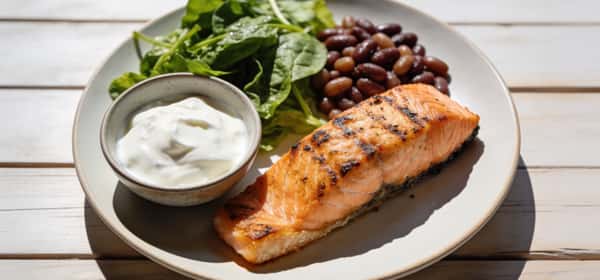
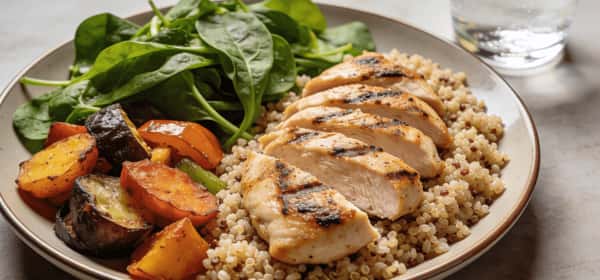
You can’t out-eat bad sleep, but what’s on your plate has a bigger say in your energy than most people realize. The wrong foods spike you up and crash you down; the right ones keep you steady from breakfast to bedtime and quietly fix the nutrient gaps that leave you dragging. This isn’t about magic “superfoods” — it’s about a handful of sensible choices that add up to feeling awake. Here’s what actually helps.
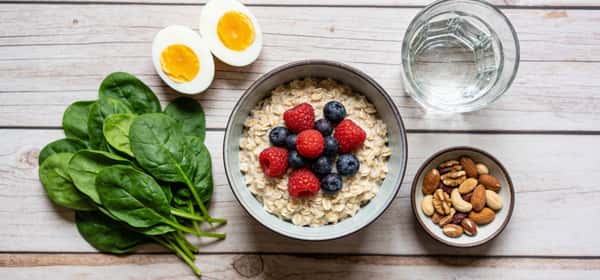
Quick answer: To fight fatigue with food, do two things: fix the nutrient gaps that cause tiredness — mainly iron and vitamin B12 — and eat in a way that keeps your blood sugar steady instead of spiking and crashing. That means iron-rich foods paired with vitamin C, B12 sources, and meals built on protein, fiber, and complex carbs rather than refined sugar. Stay hydrated, don’t skip meals, and keep portions moderate so you avoid the post-meal slump. No single food is a magic bullet — steady, balanced eating is what keeps energy level all day.
Foods that fill the fatigue-causing gaps
The most common nutrient shortfalls behind low energy are iron and B12, so start there.
Regular, balanced meals keep your energy up. Choose your goal and get your plan.
Powered by DietGenie Eat healthy
 Lose weight
 Gain muscles
 Explore new cuisines
Iron carries oxygen in your blood, and running low is a leading cause of tiredness — you can even feel it before you’re technically anemic. In one trial, non-anemic women with unexplained fatigue and low-ish iron stores felt significantly better after topping up their iron.1 The best sources:
- Heme iron (well absorbed): red meat, liver, poultry, and shellfish like oysters and mussels
- Non-heme iron (from plants): lentils, beans, tofu, spinach, and fortified cereals
A trick worth using: pair plant iron with vitamin C (a squeeze of lemon, some peppers, a side of fruit) to boost absorption, and don’t drink tea or coffee with iron-rich meals, since they hinder it. For the full picture, see high iron foods and the signs of iron deficiency — though get tested before supplementing, as excess iron is harmful.
Vitamin B12 keeps your blood and nerves healthy, and a shortfall causes fatigue and brain fog. It’s found almost entirely in animal foods — meat, fish, eggs, and dairy — so vegans and many older adults need fortified foods or a supplement. Our guide to high vitamin B12 foods breaks it down.

Eat for steady blood sugar
Here’s the habit that makes the biggest day-to-day difference. A breakfast of pastry and juice sends your blood sugar up fast and then drops it, and that crash feels exactly like exhaustion. The fix is to blunt the spikes:
| Instead of | Choose | Why |
|---|---|---|
| Sugary cereal or pastry | Eggs, oats, or Greek yogurt with fruit | Protein and fiber slow the sugar release |
| White bread sandwich | Whole-grain with protein and veg | Complex carbs give steadier energy |
| Candy or chips snack | Nuts, hummus and veg, or fruit with nut butter | Fat and protein prevent the crash |
| Skipping lunch then crashing | A balanced plate at regular times | Steady fuel beats the feast-famine cycle |
The principle is simple: build meals around protein, fiber, and complex carbs, and treat refined sugar as an occasional thing rather than an energy strategy. It’s the same approach that underpins blood sugar balance, and it’s the single best defense against the after-meal energy slump.
The supporting cast
A few more nutrients and habits earn their place:
- Magnesium supports energy production and is one many people fall short on — leafy greens, nuts, seeds, legumes, and dark chocolate deliver it. See magnesium and sleep, since it does double duty.
- Water. Even mild dehydration saps energy and concentration, and it’s easy to mistake for tiredness. Keep a glass nearby and drink through the day.
- Complex carbs, not none. Very-low-carb eating leaves some people flat; whole-food carbs like oats, beans, and whole grains fuel your brain and muscles steadily.
- Protein at each meal keeps you full and your energy even.
What drags your energy down
Just as important as what to eat is what to ease off:
- Refined sugar and big refined-carb meals — the spike-and-crash engine of afternoon fatigue.
- Oversized, heavy meals — a large, rich meal can bring on genuine post-meal sleepiness, partly through the inflammatory response to a big calorie load.2 Smaller, balanced meals keep you sharper.
- Skipping meals — running on empty then overeating swings your energy hard.
- Alcohol — it wrecks the quality of your sleep even when it helps you nod off, so you pay for it the next day.
- Too much late caffeine — it masks tiredness while sabotaging the sleep that would fix it.
And don’t forget the plate isn’t the whole story: even light movement reliably boosts energy, so a post-meal walk beats another coffee.3
What a steady-energy day looks like
Theory is easy; here’s how it comes together on a plate. The goal is no big spikes, no long gaps, and the nutrient bases covered.
- Breakfast: eggs with whole-grain toast and avocado, or oats with Greek yogurt and berries. Protein and fiber set a steady tone instead of a sugar-and-caffeine jolt that fades by mid-morning.
- Lunch: a bowl built on a lean protein (chicken, fish, tofu, beans), plenty of vegetables, and a whole-grain base like quinoa or brown rice. This is the meal to keep moderate — an oversized, refined-carb lunch is what buys you the afternoon crash.
- Afternoon snack: if energy dips, reach for something with protein or fat — a handful of nuts, hummus with veg, or fruit with nut butter — rather than a sugary pick-me-up.
- Dinner: protein, vegetables, and a modest portion of complex carbs, eaten a few hours before bed so digestion doesn’t disturb your sleep.
- Throughout: water regularly, and keep coffee to the morning so it isn’t undermining tonight’s sleep and tomorrow’s energy.
None of this is restrictive or fancy — it’s just steady fuel, evenly spaced, which is exactly what stable energy requires. A personalized plan makes it easier to stick to, which is where the meal-plan quiz below comes in.
Suggested read: Why You're Tired After Eating & How to Avoid It
The bottom line
Eating for energy comes down to two moves: close the iron and B12 gaps that cause real fatigue, and build every meal to keep your blood sugar steady — protein, fiber, and complex carbs instead of refined sugar. Stay hydrated, don’t skip meals, keep portions moderate to dodge the food coma, and go easy on late caffeine and alcohol. There’s no single miracle food; it’s the steady pattern that keeps you awake and even all day. Get the plate right and you remove one of the biggest, most fixable causes of feeling constantly tired.
Verdon F, Burnand B, Stubi CL, et al. Iron supplementation for unexplained fatigue in non-anaemic women: double blind randomised placebo controlled trial. BMJ. 2003;326(7399):1124. PubMed ↩︎
Lehrskov LL, Dorph E, Widmer AM, et al. The role of IL-1 in postprandial fatigue. Mol Metab. 2018;12:107-112. PubMed ↩︎
Puetz TW, Flowers SS, O’Connor PJ. A randomized controlled trial of the effect of aerobic exercise training on feelings of energy and fatigue in sedentary young adults with persistent fatigue. Psychother Psychosom. 2008;77(3):167-174. PubMed ↩︎