If you have gout, the foods you eat can be the difference between a quiet joint and a middle-of-the-night attack. Certain foods raise your uric acid — the substance that forms the sharp crystals behind gout — and knowing which ones to cut is one of the most useful things you can do. But there’s also a lot of outdated advice out there that has people avoiding perfectly harmless foods. Here’s the accurate, evidence-based list of what to limit, and what you can stop worrying about.
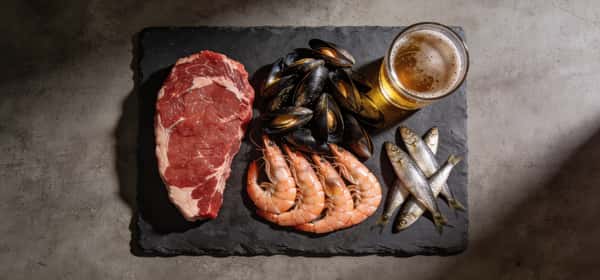
Quick answer: The main foods to avoid with gout are high-purine animal foods — organ meats, red meat, game, and certain seafood like anchovies, sardines, mussels, and scallops — plus alcohol (especially beer) and sugary drinks. These raise uric acid and trigger attacks: higher meat and seafood intake is linked to greater gout risk, alcohol of all types increases attacks, and sugary drinks raise uric acid.123 The good news is that a lot of “high-purine” foods you may have been told to avoid — like beans, peas, spinach, and mushrooms — are actually fine, because plant purines don’t seem to trigger gout the way animal ones do.
First, a word on purines and uric acid
Gout happens when uric acid builds up in your blood and forms crystals in your joints. Your body makes uric acid when it breaks down purines — compounds found in your own cells and in food. So the logic is simple: foods high in purines can raise uric acid and set off an attack.
Choose your goal and get a meal plan that considers your joints.
Powered by DietGenie Eat healthy
 Lose weight
 Gain muscles
 Explore new cuisines
But — and this is the part most old advice gets wrong — not all purines are equal. Research shows that purines from animal sources drive gout risk, while purines from plants don’t appear to. That single distinction rewrites a lot of the traditional gout diet, and it means you can keep many nutritious foods that used to be on the banned list. For the full eating strategy, see our guide to the best diet for gout.
High-purine meats to limit
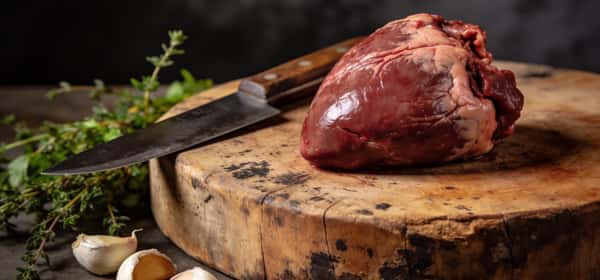
Animal foods are where the real risk lives. In a large study, men with the highest meat intake had a significantly higher risk of gout than those who ate the least.1 The worst offenders:
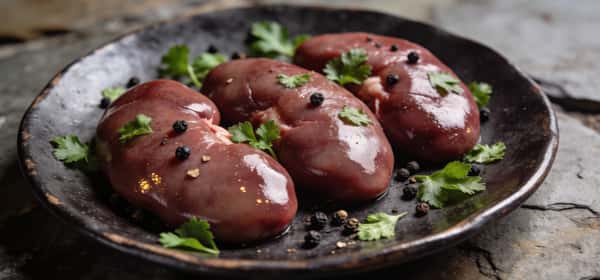
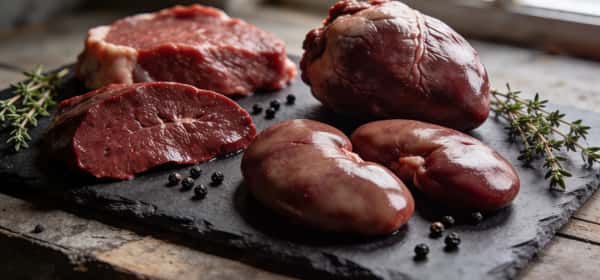
- Organ meats — liver, kidney, sweetbreads, and other offal are the highest-purine foods of all
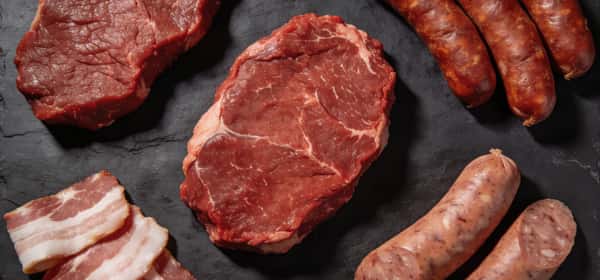
- Red meat — beef, lamb, and pork in large amounts
- Game — venison, and other wild meats
- Processed meats — bacon, sausages, and deli meats
You don’t necessarily have to go vegetarian — the aim is to cut back, especially on organ meats, and keep portions modest rather than making red meat a daily staple. A useful mental model: think of red and organ meats as occasional foods rather than the center of most meals, and let poultry, fish, beans, and lentils take the lead instead.
High-purine seafood to limit
Seafood carries the same risk as meat — higher seafood intake was linked to greater gout risk in the same research.1 The highest-purine choices to limit:
- Anchovies and sardines
- Mussels, scallops, and other shellfish
- Herring and mackerel
- Fish roe
Not all seafood is equally problematic, and the heart benefits of fish are real, so this is about moderation and choosing lower-purine options rather than cutting fish entirely.
Alcohol (especially beer)
Alcohol is one of the most reliable gout triggers, and the evidence is clear: consuming alcohol of any type — beer, liquor, or wine — raises the risk of a recurrent gout attack, in a dose-dependent way, even at moderate amounts.2 Beer is the worst of all, because it delivers a double hit of alcohol and purines. If you have gout, cutting back on alcohol, and avoiding it entirely during a flare, is one of the highest-impact changes you can make. We cover the details in alcohol and gout.
Sugary drinks and fructose
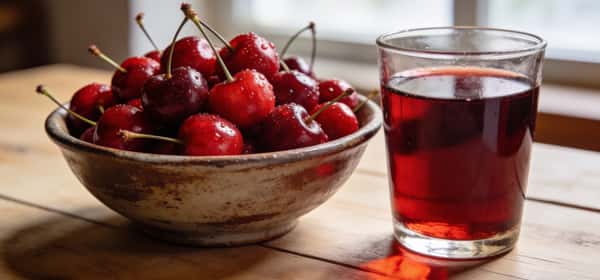
This one surprises people. Sugar-sweetened drinks don’t contain purines, but the fructose in them raises uric acid directly — soft drink consumption is linked to higher uric acid levels and a greater risk of hyperuricemia, while diet soft drinks are not.3 So the list to cut:
- Soda and sweetened soft drinks
- Fruit juice and sweetened smoothies
- Energy drinks and sweet tea
Swap them for water, which also helps flush uric acid. Be aware that “natural” sugary options like fruit juice count here too — the fructose is the problem, whether it comes from soda or a glass of orange juice. It’s the same reason cutting sugar helps with so many conditions, as our guide to whether sugar causes diabetes explains.
The foods you DON’T need to avoid
Here’s the liberating part. Several foods long branded as gout triggers are, according to the evidence, perfectly fine:
| Food | Old advice | Reality |
|---|---|---|
| Beans, lentils, peas | Avoid (high purine) | Fine — plant purines don’t trigger gout |
| Spinach, asparagus, mushrooms | Avoid | Fine — no increased risk |
| Whole grains | Limit | Beneficial |
| Coffee | Avoid | May actually lower uric acid |
| Low-fat dairy | Neutral | Protective — lowers gout risk |
| Whole fruit | Limit | Fine in moderation (juice is the problem, not whole fruit) |
That’s a big shift: the plant foods that make up a healthy diet are not your enemy, and some — like low-fat dairy — actively help. See foods that lower uric acid for what to eat more of.
Remember: diet is only part of the picture
An honest caveat. Cutting these foods genuinely reduces your risk of attacks, but for many people with established gout, diet alone doesn’t lower uric acid enough to prevent them — and it’s no substitute for the urate-lowering medication (like allopurinol) that’s the medical mainstay for recurrent gout. If you’re having repeated attacks, work with your doctor; don’t rely on diet alone, and never stop prescribed medication in favor of food changes.
Suggested read: Best Diet for Gout: Guide and Meal Plan
The bottom line
The foods to avoid with gout are the ones that raise uric acid: high-purine animal foods (organ meats, red meat, game, and certain seafood), alcohol of all kinds with beer the worst, and sugary drinks. Cut those down and you meaningfully lower your risk of attacks. Just as important is what you don’t have to give up — beans, spinach, mushrooms, whole grains, coffee, and low-fat dairy are all fine or even helpful, despite old advice to the contrary. Trim the animal purines, alcohol, and sugar, keep the healthy plants, and pair your diet with your doctor’s guidance for the best protection against gout.
Choi HK, Atkinson K, Karlson EW, Willett W, Curhan G. Purine-rich foods, dairy and protein intake, and the risk of gout in men. N Engl J Med. 2004;350(11):1093-1103. PubMed ↩︎ ↩︎ ↩︎
Neogi T, Chen C, Niu J, Chaisson C, Hunter DJ, Zhang Y. Alcohol quantity and type on risk of recurrent gout attacks: an internet-based case-crossover study. Am J Med. 2014;127(4):311-318. PubMed ↩︎ ↩︎
Choi JW, Ford ES, Gao X, Choi HK. Sugar-sweetened soft drinks, diet soft drinks, and serum uric acid level: the Third National Health and Nutrition Examination Survey. Arthritis Rheum. 2008;59(1):109-116. PubMed ↩︎ ↩︎