Ask what to avoid with diverticulitis and you’ll get a long, scary list — nuts, seeds, popcorn, corn, tomatoes with seeds, and more. Here’s the good news: most of that list is outdated and simply wrong. The real “avoid” list is much shorter than people fear, and it depends on whether you’re in a flare or preventing one. Knowing the genuine culprits from the debunked myths takes a lot of stress out of eating with diverticulitis. Here’s what actually matters.
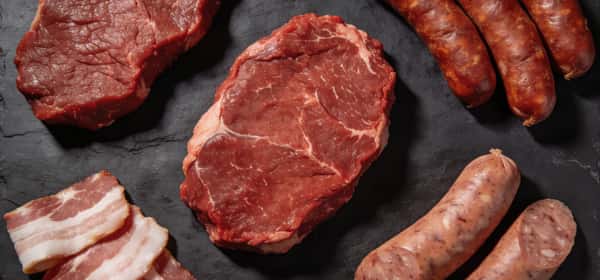
Quick answer: During a diverticulitis flare, temporarily avoid high-fiber foods — whole grains, raw vegetables, beans, and nuts — to rest your gut. For long-term prevention, the main food to limit is red meat, which is linked to a higher risk of diverticulitis.1 The famous advice to avoid nuts, seeds, corn, and popcorn is a myth — research shows they don’t raise your risk and may even lower it.2 So the true list is short: fiber during a flare, and red meat in general. Always follow your doctor’s specific guidance during an attack.
During a flare: avoid high-fiber foods (temporarily)
This is the one time “avoid fiber” is the right advice — and only temporarily. When diverticulitis is active, high-fiber foods make your inflamed colon work harder, so doctors recommend cutting them back while you recover. During a flare, set aside:
A calm gut starts with the right meals. Choose your goal and get your plan.
Powered by DietGenie Eat healthy
 Lose weight
 Gain muscles
 Explore new cuisines
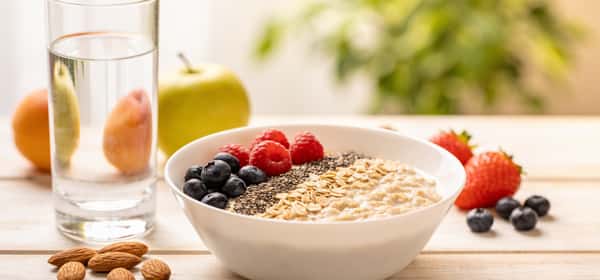
- Whole grains (brown rice, whole-grain bread, bran)
- Raw vegetables and fruits with skins
- Beans, lentils, and other legumes
- Nuts and seeds
Instead, stick to gentle low-fiber foods until symptoms settle, then reintroduce fiber gradually — the full list of what to eat is in the best foods for diverticulitis. This is a short-term measure done under medical guidance, not a permanent restriction.
For prevention: limit red meat
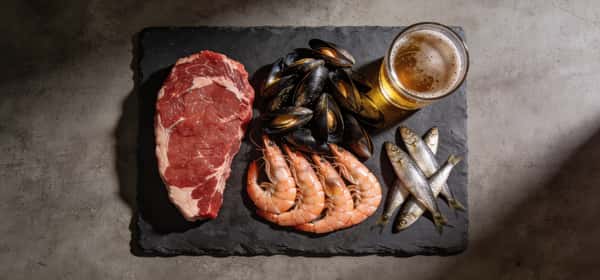
Once you’re out of a flare, high fiber becomes protective and the picture flips — but one food genuinely deserves limiting. A large study found that men with the highest red meat intake had a 58% higher risk of diverticulitis, with unprocessed red meat the main driver. Encouragingly, swapping poultry or fish for a serving of red meat lowered the risk.1 So for long-term prevention:
- Cut back on beef, lamb, and pork as everyday staples
- Favor poultry, fish, and plant proteins like beans and lentils
- Treat red meat as an occasional food rather than a daily one, and lean toward unprocessed cuts only now and then
Other foods worth moderating
Beyond red meat, a few general patterns may help, though the evidence is less specific to diverticulitis:
- Highly processed and fried foods, which tend to be low in fiber and part of a diet linked to worse gut health
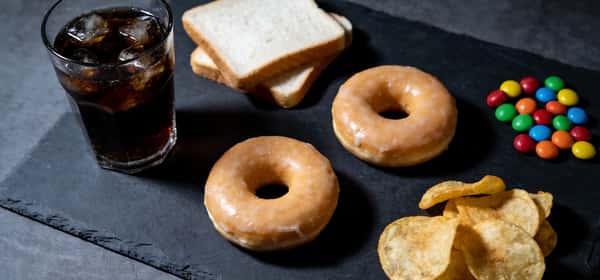
- Excess sugar and refined carbohydrates, which crowd out the fiber-rich foods that protect you
- These overlap with the broader list of foods that cause inflammation
The theme is less about banning specific items and more about building a fiber-rich, mostly-plant diet with red meat kept occasional.
It’s also worth knowing what the research does not support. There’s no good evidence that gluten, dairy, spicy food, or specific fruits and vegetables cause diverticulitis flares in most people. Some individuals find a particular food doesn’t sit well with them, and that’s worth respecting on a personal level — but there’s no universal list of trigger foods beyond the phase-based and red-meat guidance above. If you’ve been avoiding whole categories of healthy food “just in case,” you may be restricting yourself far more than the evidence warrants, and missing out on the very fiber that protects you.
Suggested read: A Diverticulitis Diet Meal Plan
The myths you can drop
Here’s the liberating part. The foods most people think they must avoid are, according to the evidence, perfectly fine:
| Long-avoided food | The reality |
|---|---|
| Nuts | Safe — and linked to slightly lower risk |
| Popcorn | Safe — and linked to slightly lower risk |
| Corn | No association with risk |
| Seeds (incl. in tomatoes, strawberries) | No evidence of harm |
In a study following nearly 47,000 men for 18 years, nut, corn, and popcorn consumption did not increase the risk of diverticulitis or complications — and the researchers concluded the old avoidance advice should be reconsidered.2 So once you’re past a flare, these nutritious, high-fiber foods belong back in your diet.
What about alcohol and caffeine?
Two things people often ask about. Alcohol hasn’t been clearly shown to cause diverticulitis, but it can irritate the digestive tract and is worth limiting — and during an active flare, it’s best avoided entirely while your gut recovers. Caffeine (in coffee and strong tea) stimulates the gut and can worsen symptoms during a flare, so ease off it until you’re better; between flares, moderate coffee is generally fine and doesn’t appear to raise your risk. As with everything here, the flare-versus-prevention distinction matters more than a blanket ban.
Reintroducing foods after a flare
One of the trickiest moments is coming out of a flare, when you shift from low-fiber back to your normal high-fiber diet. Rushing it can trigger discomfort, so go slowly and deliberately:
- Wait until your symptoms have fully settled before adding fiber back.
- Reintroduce one type of food at a time — start with soft cooked vegetables and oatmeal before moving to raw produce, beans, and whole grains.
- Increase portions over several days to a couple of weeks, not all at once.
- Drink plenty of water as you add fiber, so it moves smoothly.
If a particular food consistently causes you trouble even between flares, note it and mention it to your doctor — but resist the urge to build a long personal “banned list” out of caution, since that usually means missing out on protective fiber for no real reason.
It comes down to phase
The most important reframe: there isn’t one fixed “diverticulitis avoid list.” During a flare you avoid fiber to rest the gut; for prevention you embrace fiber and mainly limit red meat. Getting the phase right matters more than memorizing forbidden foods. Pair this with the best foods for diverticulitis and the wider diverticulitis diet, and always defer to your doctor’s specific instructions during an active attack.
Suggested read: The Diverticulitis Diet: Flare-Up and Prevention
The bottom line
The real foods to avoid with diverticulitis are far fewer than the myths suggest. During a flare, temporarily cut high-fiber foods — whole grains, raw produce, beans, and nuts — to give your inflamed colon a rest. For everyday prevention, the standout food to limit is red meat, since it’s linked to a meaningfully higher risk, while poultry, fish, and plant proteins are better choices. And you can finally stop fearing nuts, seeds, corn, and popcorn, which the evidence clears completely. Match your restrictions to the phase you’re in, lean on fiber the rest of the time, and follow your doctor during a flare — that’s the whole of it.