Being told you have a fatty liver sounds scary, but here’s the part that doesn’t get said enough: in its early stages, it’s one of the most reversible conditions there is — and food is the main tool for reversing it. There’s no pill that does the job better than what’s on your plate. If you catch it early and change how you eat, you can genuinely clear the fat out of your liver and stop the whole thing in its tracks. Here’s exactly how the fatty liver diet works and what to do.
Quick answer: A fatty liver diet reverses early fatty liver disease (NAFLD) by cutting the foods that pack fat into your liver and adding the ones that heal it. The single most powerful lever is weight loss: losing around 7–10% of your body weight can dramatically improve or even resolve the disease.1 Build meals around vegetables, whole grains, lean protein, fish, olive oil, and fiber — essentially a Mediterranean pattern — while cutting sugar (especially sugary drinks and fructose), refined carbs, fried and processed foods, and alcohol.2 Do that consistently and, if you’re in the early stages, your liver can recover remarkably well. Because it’s a real medical condition, work with your doctor to monitor progress.
What fatty liver disease actually is
Non-alcoholic fatty liver disease (NAFLD) — increasingly called metabolic-associated steatotic liver disease — simply means too much fat has built up in your liver, and not because of alcohol. It’s extremely common, affecting roughly a quarter to a third of adults, and it usually causes no symptoms at all, which is why so many people don’t know they have it until a routine blood test or scan flags it.
Everyday meals shape liver health. Choose your goal and get your plan.
Powered by DietGenie Eat healthy
 Lose weight
 Gain muscles
 Explore new cuisines
It exists on a spectrum. At the mild end is simple fatty liver (just excess fat). If inflammation sets in, it becomes NASH (non-alcoholic steatohepatitis), which over years can progress to scarring (fibrosis) and eventually cirrhosis. The good news is that the earlier stages are highly reversible — and diet is what reverses them. The whole goal of the fatty liver diet is to catch and turn things around while your liver can still fully recover.
Why diet works: it’s about the fat going in
Your liver gets fatty largely because of what you feed it. Diets high in sugar and refined carbohydrates are a particular problem, because your liver converts excess sugar — fructose especially — into fat through a process called de novo lipogenesis, essentially manufacturing liver fat from sweet drinks and refined food.3 Add in a typical Western diet heavy on fried food, processed meat, and saturated fat, and you have the perfect recipe for a fatty liver.
Flip that around and the liver responds. Cut the fat-promoting foods, lose some weight, and your liver starts clearing out its fat stores. This is why the fatty liver diet isn’t a gimmick — it directly targets the mechanism that caused the problem. And it works even in people who don’t need to lose much: a Mediterranean-style diet has been shown to benefit the liver even when body weight doesn’t change much.2
The most important factor: weight loss
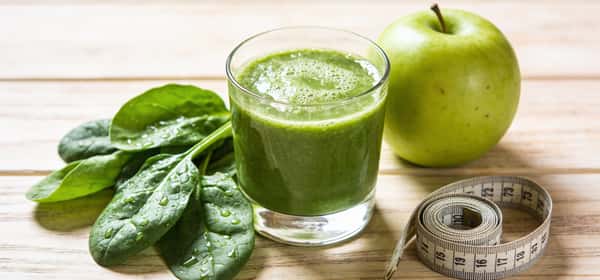
If you take one thing from this article, make it this. For most people with a fatty liver, losing weight is the single most effective treatment, and the amount matters in a dose-dependent way.
In a landmark study, patients who lost weight through lifestyle changes saw striking improvements in their liver on biopsy:1
| Weight lost | What happened to the liver |
|---|---|
| ≥5% of body weight | Most had reduced liver fat; over half had NASH resolve |
| ≥7% | Meaningful improvement in inflammation |
| ≥10% | 90% had NASH resolve, and 45% saw fibrosis (scarring) regress |
That last row is remarkable — even early scarring reversed in nearly half of people who lost 10% of their weight. No drug matches that. So while the specific foods matter, the underlying aim of the fatty liver diet is a sustainable calorie reduction that produces steady weight loss. Pairing the diet with movement makes it far more effective, so it’s worth reading up on the best exercise for weight loss.
Suggested read: The Prediabetes Diet: What to Eat to Reverse It
What the fatty liver diet looks like
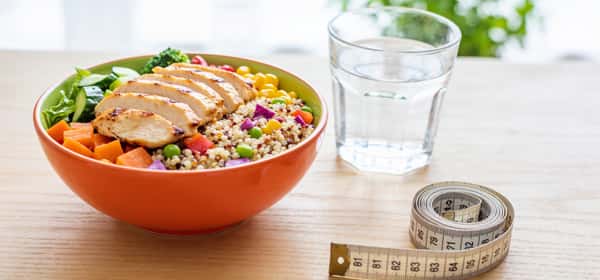
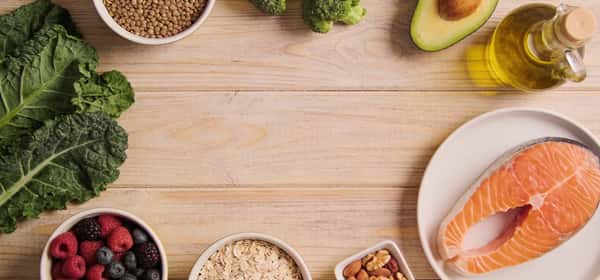
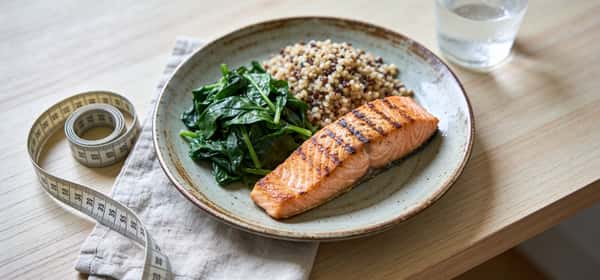
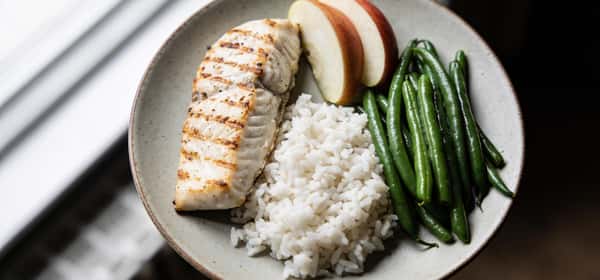
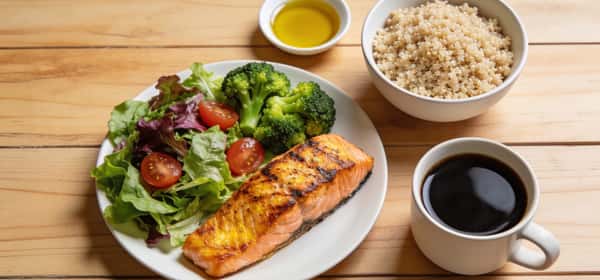
The eating pattern with the best evidence for a fatty liver is essentially the Mediterranean diet, rich in the nutrients that help the liver and low in the ones that harm it.2 In brief:
Eat more of:
- Vegetables and fruit (whole fruit, not juice)
- Whole grains and legumes for fiber
- Fish and other sources of omega-3 fats
- Olive oil and other healthy fats
- Lean protein and plant proteins
- Coffee, which is genuinely protective for the liver
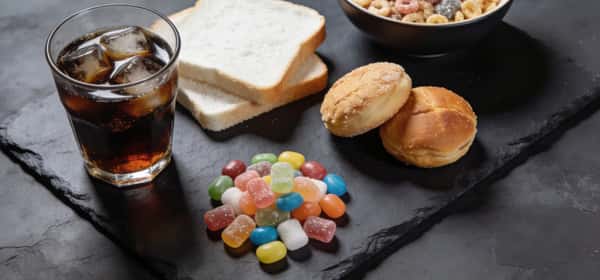
Cut back on:
- Sugar and sugary drinks (the biggest offender)
- Refined carbs — white bread, pastries, white rice
- Fried and heavily processed foods
- Red and processed meat
- Alcohol
We go deep on both sides of this in the best foods for a fatty liver and foods to avoid with a fatty liver. If you’d rather follow a ready-made structure, the closely related DASH and Mediterranean diets are both excellent templates, and our 7-day fatty liver meal plan turns it into actual meals.
Coffee: the surprising liver ally
One pleasant surprise in the research: coffee is good for your liver. Studies consistently link coffee consumption with improvements in liver fat and fibrosis and a lower risk of cirrhosis and liver cancer.4 The catch is that it needs to be unsweetened — loading it with sugar undoes the benefit. A couple of cups of black coffee a day is a reasonable, evidence-backed addition to a fatty liver diet.
Why blood sugar matters here
Fatty liver rarely travels alone. It’s tightly linked to insulin resistance, type 2 diabetes, and metabolic syndrome — the same cluster of problems driven by too much sugar and refined carbohydrate. That’s why an eating pattern that steadies your blood sugar does double duty, helping both your liver and your metabolism. The principles in our guides to blood sugar balance and insulin resistance overlap almost perfectly with the fatty liver diet.
This is a medical condition — treat it like one
A quick but important reality check. Fatty liver disease is genuine, and while the early stages reverse beautifully with diet, advanced scarring is far harder to undo — which is exactly why you don’t want to ignore it. Get properly diagnosed, let your doctor monitor your liver over time, and be deeply skeptical of “liver detox” teas, cleanses, and supplements that promise a quick fix. There’s no magic detox; there’s just the unglamorous, genuinely effective combination of better food, weight loss, and movement. If your fatty liver is more advanced, your doctor may add other treatments, but diet remains the foundation for everyone.
Suggested read: The Best Foods for a Fatty Liver
The bottom line
A fatty liver diet works because it attacks the cause: it strips out the sugar, refined carbs, and processed food that load your liver with fat, and replaces them with the vegetables, whole grains, fish, olive oil, and coffee that help it heal. The most powerful ingredient of all is weight loss — shedding 7 to 10% of your body weight can resolve the disease and even reverse early scarring. Eat a Mediterranean-style pattern, cut the sugary drinks, move more, and let your doctor track your progress. Caught early, a fatty liver is not a life sentence — it’s an invitation to change how you eat, and one your liver will reward.
Vilar-Gomez E, Martinez-Perez Y, Calzadilla-Bertot L, et al. Weight loss through lifestyle modification significantly reduces features of nonalcoholic steatohepatitis. Gastroenterology. 2015;149(2):367-378.e5. PubMed ↩︎ ↩︎
Berná G, Romero-Gomez M. The role of nutrition in non-alcoholic fatty liver disease: pathophysiology and management. Liver Int. 2020;40(Suppl 1):102-108. PubMed ↩︎ ↩︎ ↩︎
Softic S, Cohen DE, Kahn CR. Role of dietary fructose and hepatic de novo lipogenesis in fatty liver disease. Dig Dis Sci. 2016;61(5):1282-1293. PubMed ↩︎
Morisco F, Lembo V, Mazzone G, Camera S, Caporaso N. Coffee and liver health. J Clin Gastroenterol. 2014;48(Suppl 1):S87-S90. PubMed ↩︎