Fadogia agrestis is everywhere in the men’s-health corner of the internet, usually stacked with tongkat ali and sold as a natural testosterone booster. It got a huge popularity boost after being mentioned on big podcasts, and supplement brands jumped on it fast. But strip away the marketing and you find something uncomfortable: almost no human research, and the animal studies that exist include genuine safety red flags. This is a case where the honest answer is “be careful,” and here’s why.
This is educational information, not medical advice. Fadogia agrestis has not been well studied for safety in humans. Talk to a doctor before considering it, especially if you’re trying to conceive, take medications, or have a health condition.
Quick answer: Fadogia agrestis is a shrub used traditionally in parts of Africa as an aphrodisiac. Its reputation as a testosterone booster comes almost entirely from rat studies — there are essentially no published human clinical trials proving it works or that it’s safe at the doses people take. One of those same rat studies found signs of testicular toxicity at higher doses. Given the lack of human data and real safety questions, fadogia is the most hype-driven and least proven supplement in the testosterone space. The better-evidenced options are covered in how to increase testosterone naturally.
Real meals matter more than any supplement. Choose your goal and get your plan.
Powered by DietGenie Eat healthy
 Lose weight
 Gain muscles
 Explore new cuisines
What fadogia agrestis is
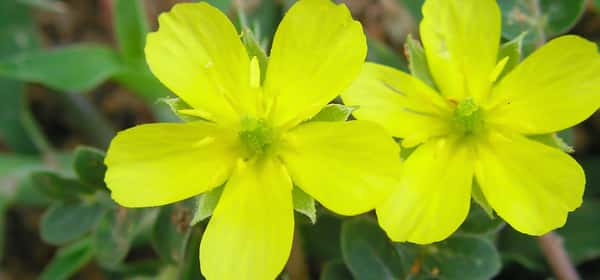
Fadogia agrestis is a flowering shrub native to West Africa, where the stem has traditionally been used as an aphrodisiac and folk remedy. It contains compounds including alkaloids and saponins, the latter often credited with its supposed effects.
In the supplement world it’s sold as a powder or capsule, frequently paired with tongkat ali in “testosterone stack” products. The pitch is that it raises luteinizing hormone (LH), which in turn signals the testes to make more testosterone. It’s a plausible-sounding mechanism — the problem is how little of it has actually been tested in people.
The evidence: almost entirely rats
Here’s the heart of the matter. The enthusiasm for fadogia traces back to animal research, not human trials.
In a 2005 study, male rats given an aqueous extract of fadogia agrestis stem showed increased sexual behavior and a dose-dependent rise in serum testosterone.1 That single finding — testosterone went up in rats — is essentially the entire scientific foundation for fadogia’s reputation as a testosterone booster.
What’s missing is everything that would actually matter for a human deciding whether to take it:
- No published human clinical trials establishing that it raises testosterone in people.
- No human data on the right dose, how long it’s safe to use, or who shouldn’t take it.
- No long-term safety studies in humans at all.
Rats are not small humans. Plenty of compounds that do something in a rodent study turn out to do nothing — or something harmful — in people. Building a supplement habit on one animal study is exactly the kind of leap that responsible evidence-reading warns against.
The safety concern that gets glossed over
This is the part the hype videos rarely mention. The same line of rat research that found a testosterone increase also found a downside.
In a follow-up study, rats given fadogia agrestis extract for 28 days showed alterations in several markers of testicular function — changes the researchers described as adverse effects on the testes. Notably, the animals recovered better at the lowest dose (the kind used traditionally) than at higher doses, suggesting the harm is dose-dependent.2 In other words, the very organ fadogia is supposed to support showed signs of damage at higher intakes in animals.
Put the two findings together and the picture is sobering: the evidence that fadogia raises testosterone and the evidence that it can harm the testes come from the same animal model. We have no idea where the line is in humans, because the human studies simply haven’t been done. For a supplement people often megadose in pursuit of bigger hormonal effects, that’s a real concern, not a theoretical one.
Suggested read: Spermidine: Autophagy, Longevity, and the Evidence
Why it blew up anyway
If the evidence is this thin, why is fadogia so popular? A few reasons:
- Podcast and influencer exposure. A mention from a high-profile voice can turn an obscure herb into a best-seller overnight, regardless of the underlying data.
- The “natural and exotic” appeal. A little-known African shrub with an aphrodisiac history makes for compelling marketing.
- Stacking. Bundled with tongkat ali (which does have human data), fadogia borrows credibility from its better-studied partner.
None of those are scientific reasons. They’re marketing reasons, and it’s worth being honest with yourself about which one is actually persuading you.
It’s also worth knowing that because fadogia is a loosely regulated supplement, the products on shelves vary wildly. There’s no standardized extract, no agreed-upon dose, and little oversight of what’s actually in the capsule — so even if future research found a safe, effective version, you’d have no reliable way of knowing whether the bottle in your hand matched it. That uncertainty stacks on top of the missing safety data.
If you’re still considering it
This guide isn’t here to lecture, but if you’re going to try fadogia despite the gaps, at least reduce the risk:
- Keep doses low and cycles short. The animal harm was dose-dependent, and “more” is exactly the wrong instinct here.
- Avoid it completely if you’re trying to conceive — the testicular findings make this a clear no.
- Skip it if you have any liver or hormonal condition, and don’t combine it with other unknowns.
- Talk to a doctor first, and stop immediately if anything feels off.
Honestly, though, the risk-to-evidence ratio is poor. If your goal is more testosterone, your time and money are far better spent on the proven levers — sleep, training, fat loss, fixing deficiencies — and on supplements with actual human trials, like tongkat ali, shilajit, or boron.
Suggested read: Tongkat Ali vs Fadogia Agrestis: Which Is Better?
The bottom line
Fadogia agrestis is the clearest example in the testosterone world of hype running miles ahead of evidence. Its entire reputation rests on rat studies, there are essentially no human trials showing it works or is safe, and the same animal research that found a testosterone boost also found signs of testicular harm at higher doses. That combination — no human safety data plus a real animal red flag — should give anyone pause.
If you want to raise your testosterone, start with the basics in how to increase testosterone naturally and choose supplements that have actually been tested in people. Fadogia isn’t one of them yet. Until proper human research exists, the smart move is to let this trend pass you by.
Yakubu MT, Akanji MA, Oladiji AT. Aphrodisiac potentials of the aqueous extract of Fadogia agrestis (Schweinf. Ex Hiern) stem in male albino rats. Asian J Androl. 2005;7(4):399-404. PubMed ↩︎
Yakubu MT, Akanji MA, Oladiji AT. Effects of oral administration of aqueous extract of Fadogia agrestis (Schweinf. Ex Hiern) stem on some testicular function indices of male rats. J Ethnopharmacol. 2007;115(2):288-292. PubMed ↩︎