Endometriosis natural treatment is a topic where the marketing dramatically outpaces the science. “Heal your endo naturally” promises are common online; most are misleading. The honest position: lifestyle, diet, and complementary approaches can meaningfully reduce symptoms for many women, but they don’t cure endometriosis and shouldn’t replace medical care.
This guide covers what the research actually supports for natural and lifestyle approaches to endometriosis, what’s overhyped, and how to integrate these alongside conventional treatment.
Quick answer
The natural approaches with the most evidence for reducing endometriosis symptoms are:
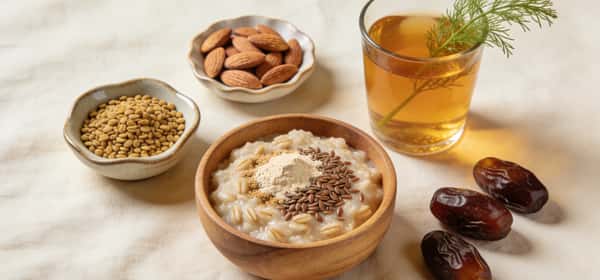
Everyday meals can calm inflammation. Choose your goal and get your plan.
Powered by DietGenie Eat healthy
 Lose weight
 Gain muscles
 Explore new cuisines
- Anti-inflammatory diet (Mediterranean pattern) — moderate evidence
- Regular moderate exercise — moderate evidence for pain reduction
- Omega-3 fatty acids — moderate evidence; reduces inflammatory mediators
- Pelvic floor physiotherapy — strong evidence for chronic pelvic pain
- Stress management and CBT — strong evidence for pain perception and quality of life
- Heat therapy — well-established for acute pain
- TENS units — moderate evidence for chronic pelvic pain
What doesn’t have good evidence: detox protocols, “estrogen-cleansing” supplements, specific elimination diets without symptom-trigger evidence, cannabis for primary treatment, many herbal “endo-support” formulas.
Important framing: these approaches are complementary, not curative. Endometriosis is a structural disease — tissue grows where it shouldn’t. Lifestyle changes reduce inflammation, pain perception, and symptom burden, but they don’t remove the underlying tissue.
What the evidence supports
Anti-inflammatory diet (Mediterranean pattern)
The clearest dietary signal in the endometriosis literature is adherence to a Mediterranean-style anti-inflammatory diet. A 2023 systematic review and meta-analysis in American Journal of Obstetrics and Gynecology examined 32 studies covering 103,000+ women and found consistent associations between Mediterranean diet adherence and improved female reproductive outcomes, including suggestive evidence for endometriosis-related symptoms.1
A 2024 systematic review focusing specifically on endometriosis prevention found that consumption of fruits, vegetables, dairy products, fish, legumes, certain vitamins (A, C, D, B12), and omega-3 and omega-9 fatty acids was associated with reduced endometriosis risk.2
The mechanism is straightforward: endometriosis is a chronic inflammatory condition. Diets that reduce systemic inflammation reduce one of the drivers of symptom severity.
Specific dietary changes worth considering:
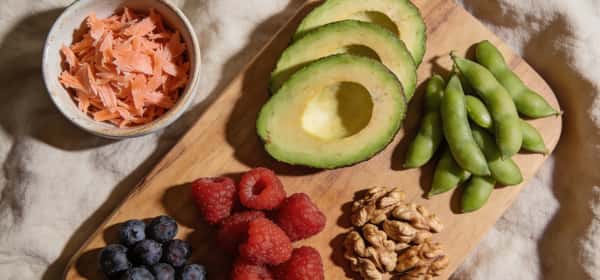
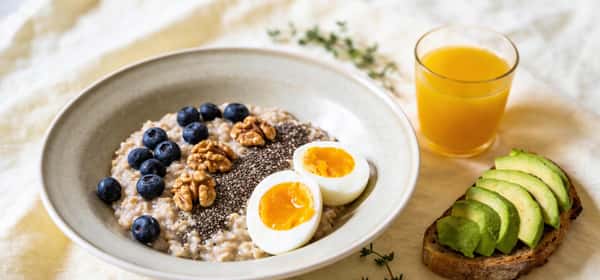
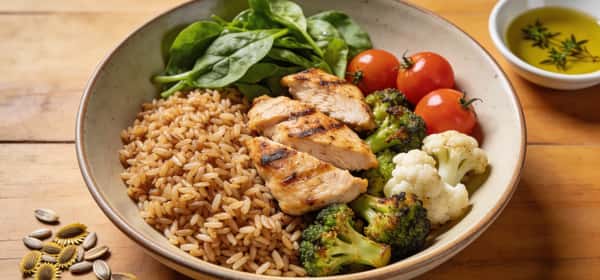
- More vegetables — especially leafy greens, cruciferous vegetables, and brightly colored produce
- More fatty fish — salmon, sardines, mackerel, anchovies (omega-3 sources)
- More legumes — lentils, chickpeas, beans
- Reduce trans fats — processed baked goods, fried foods
- Reduce red and processed meat — small but consistent signal
- Limit alcohol — interferes with estrogen metabolism
Full breakdown: the endometriosis diet. For the broader anti-inflammatory framework, see the anti-inflammatory diet and anti-inflammatory foods.
Omega-3 fatty acids
Omega-3 fatty acids (EPA and DHA) compete with omega-6 fatty acids in the production of prostaglandins — the inflammatory signaling molecules that drive much of endometriosis pain. Higher omega-3 intake shifts the balance toward less inflammatory prostaglandin types.
Practical dose:
- 1,000–2,000 mg combined EPA + DHA per day for therapeutic effect (higher than general health doses)
- From food: fatty fish 2–3 times a week
- Supplement: high-quality fish oil (triglyceride form) or algal DHA
For form selection and broader dosing: omega-3 supplement guide, high-omega-3 foods, and daily omega-3 intake.
Exercise
Regular moderate exercise has consistent evidence for reducing chronic pelvic pain in endometriosis. Mechanisms include:
- Anti-inflammatory effects of regular movement
- Endorphin release modulating pain perception
- Reduced estrogen levels with consistent aerobic exercise
- Improved sleep and mood
Practical recommendations:
Suggested read: Fertility Diet: What Works for Trying to Conceive
- 150 minutes/week of moderate aerobic activity (walking, cycling, swimming)
- 2–3 sessions/week of strength training
- Avoid high-impact during severe flare-ups; choose low-impact options
- Pelvic-floor-friendly activities like swimming and yoga are particularly well-tolerated
Pelvic floor physiotherapy
This is one of the most underutilized evidence-based treatments for endometriosis-related pelvic pain. Chronic pelvic pain leads to pelvic floor muscle dysfunction (hypertonic muscles, trigger points), which then perpetuates the pain.
A specialized pelvic floor physiotherapist can:
- Assess pelvic floor muscle tone and function
- Release trigger points and tight muscles
- Teach relaxation techniques
- Provide biofeedback training
- Help with painful intercourse
This isn’t optional add-on care — for women with significant pelvic pain, it can dramatically improve quality of life. Ask your gynecologist for a referral to a pelvic floor physiotherapist.
Stress management and CBT
Chronic pain conditions and stress are bidirectional — pain causes stress, stress amplifies pain. CBT (cognitive behavioral therapy) and mindfulness-based approaches have meta-analytic support for reducing pain intensity and improving quality of life in chronic pelvic pain conditions.
What works:
- CBT specifically for chronic pain
- Mindfulness-based stress reduction (MBSR)
- Pain neuroscience education
- Acceptance and commitment therapy (ACT) for chronic pain
These aren’t about saying “your pain is in your head.” They’re about training your nervous system to process pain signals less catastrophically — which reduces the amplification effect.
For the broader stress-cortisol picture that often overlaps: how to lower cortisol naturally and supplements to lower cortisol.
Suggested read: PCOS Supplements: Evidence-Based Guide to What Works
Heat therapy
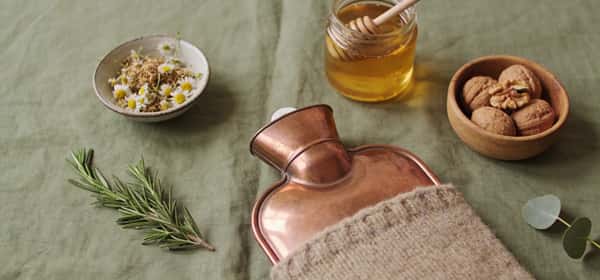
A heating pad on the lower abdomen reduces menstrual and pelvic pain effectively — multiple trials show it’s comparable to NSAIDs for cramps. It’s free, has no side effects, and works through both direct muscle relaxation and gating mechanisms in spinal pain processing.
Use during flare-ups, painful periods, and after sex if applicable. Not curative, but a reliable acute intervention.
TENS units
Transcutaneous electrical nerve stimulation has moderate evidence for chronic pelvic pain. Small, affordable home units are widely available. The mechanism involves overriding pain signals at the spinal level.
Worth trying if heat alone isn’t enough for daily symptom management.
What has weaker or inconsistent evidence
Curcumin / turmeric
Some preliminary evidence for anti-inflammatory effects in endometriosis, but no major clinical trials. Curcumin is well-tolerated; doses of 500–1,000 mg/day of a bioavailability-enhanced form (with piperine or as phytosome) are reasonable. Don’t expect dramatic effects.
N-acetylcysteine (NAC)
A few small trials suggest NAC may reduce endometriotic cyst size and pain. The evidence base is limited but promising. Doses studied have been 600 mg × 3 daily for 3 months.
Resveratrol
Small studies; limited evidence. Probably not worth specific supplementation; eat the foods (berries, grapes, dark chocolate).
Magnesium
Helpful for cramping component of endometriosis pain (smooth muscle relaxant). 200–400 mg/day of magnesium glycinate is a reasonable adjunct. See magnesium for PMS for the broader cramps framework.
Acupuncture
Mixed evidence; some women report meaningful symptom reduction. Reasonable to try if accessible; not a substitute for medical treatment.
What’s overhyped or unsupported
“Detox” and “estrogen cleanse” protocols
Endometriosis is not caused by “toxins” that need to be cleared. Your liver handles estrogen metabolism without needing special detox protocols. Avoid expensive supplement stacks marketed as “estrogen detox.”
That said: supporting normal estrogen metabolism through fiber, vegetables, and reduced alcohol is reasonable. See diets to lower estrogen levels for the realistic version.
Suggested read: Postpartum Recovery: A Realistic Guide to the First Year
“Heal endo with diet alone”
Diet meaningfully reduces symptoms for many women. It doesn’t dissolve existing endometriotic tissue. Anyone selling “endo-healing protocols” without acknowledging this is overstating.
Extreme elimination diets (gluten-free, dairy-free, etc.) without trigger evidence
Some women genuinely improve on gluten-free or dairy-free diets. But this is highly individual. Routine recommendation for all endo patients isn’t supported by evidence. If you suspect a trigger:
- Eliminate one food category at a time
- For 4–6 weeks
- Track symptoms carefully
- Reintroduce to confirm
Without that structured testing, restrictive diets just reduce quality of life without benefit.
Cannabis as primary treatment
THC and CBD can reduce pain perception for some women — that’s worth discussing with a doctor if it’s legal where you live. But it doesn’t address the underlying disease, and chronic cannabis use has its own risk profile.
Most “endo support” supplement blends
Multi-ingredient endometriosis formulas typically contain insufficient doses of any single ingredient to match what was studied. Individual supplements at evidence-based doses are usually a better use of money.
How to integrate natural approaches with medical care
The most effective approach for most women is combination care:
- Medical management — hormonal therapy and/or surgical evaluation for the underlying disease
- Diet — anti-inflammatory Mediterranean pattern
- Exercise — regular moderate aerobic + strength
- Pelvic floor physiotherapy — for pelvic pain specifically
- Stress management — CBT or mindfulness for the pain-stress loop
- Acute symptom management — heat, NSAIDs, magnesium, TENS
This isn’t either/or. The women with the best long-term outcomes typically use both medical and lifestyle approaches together.
What to do during a flare
When symptoms acutely worsen:
- NSAIDs early and consistently — don’t wait for pain to peak
- Heat to the abdomen and lower back — at least 20–30 minutes
- Hydration — adequate water reduces some prostaglandin effects
- Reduce caffeine and alcohol — both worsen pain perception
- Gentle movement if tolerated — light walking, restorative yoga
- Rest if needed — pushing through severe flares isn’t heroic, it’s exhausting
For broader context on what’s happening during menstruation specifically: the menstrual phase. For the link between endometriosis and the gut-inflammation axis: endometriosis and gut health and endometriosis and inflammation.
When natural approaches aren’t enough
Some signs your symptoms need more aggressive management:
- Pain controlling your life despite consistent lifestyle measures
- Worsening symptoms over time
- New symptoms (especially GI or urinary)
- Inability to work, study, or maintain relationships
- Mental health deterioration from chronic pain
- Trying to conceive without success
At any of these points, escalating to surgical evaluation or different hormonal management is appropriate. Endometriosis is a disease that benefits from active medical management — don’t let “natural treatment” become a barrier to getting the care that actually controls the underlying condition.
See endometriosis symptoms for the broader picture of when to push for evaluation.
Bottom line
Natural approaches to endometriosis — anti-inflammatory diet, exercise, omega-3, pelvic floor physiotherapy, stress management, heat, TENS — meaningfully reduce symptoms for many women, but they don’t cure the disease. Combine them with appropriate medical care: hormonal therapy and/or surgical management of the underlying tissue. Be skeptical of “heal your endo naturally” claims; the realistic framing is “manage symptoms while you and your doctor address the structural disease.” Skip the detox protocols and expensive blends. Spend money instead on quality omega-3, a heating pad, and a pelvic floor physiotherapist referral.
Yang J, Song Y, Gaskins AJ, et al. Mediterranean diet and female reproductive health over lifespan: a systematic review and meta-analysis. American Journal of Obstetrics and Gynecology. 2023;229(6):617-631. PubMed | DOI ↩︎
Zaragoza-Martí A, Cabrera-González K, Martín-Manchado L, et al. The importance of nutrition in the prevention of endometriosis - Systematic review. Nutricion Hospitalaria. 2024;41(4):906-915. PubMed | DOI ↩︎