The endometriosis-gut connection has become one of the hottest topics in the condition. Articles claim gut microbiome dysbiosis “causes” endometriosis, that probiotics “treat” it, and that the “estrobolome” (gut bacteria that metabolize estrogen) holds the key. Some of this is real. Some of it has been substantially complicated by recent research. Both deserve honest coverage.
This guide covers what’s actually established, what’s plausible but unproven, what was overstated and has now been challenged, and the practical things you can do for the gut piece of endometriosis.
Quick answer
There’s a real bidirectional link between gut function and endometriosis:
A calm gut starts with the right meals. Choose your goal and get your plan.
Powered by DietGenie Eat healthy
 Lose weight
 Gain muscles
 Explore new cuisines
- GI symptoms are common in endometriosis — bloating, constipation, diarrhea, painful bowel movements. Often misdiagnosed as IBS for years.
- Some studies have shown microbiome differences between women with and without endometriosis — but the largest and most recent study (1000 women) found no significant differences.1
- The “estrobolome” — bacteria that metabolize estrogen — is a plausible mechanism, but specific clinical applications are still limited.
- What’s solid: anti-inflammatory diet, fiber, omega-3, and treating actual GI dysfunction reduce symptoms. Whether they treat the underlying endometriosis is less clear.
The honest framing: gut health matters for endometriosis symptom management. The claim that “fixing your gut treats endometriosis” is still unproven and likely overstated.
The GI symptom overlap
A large proportion of women with endometriosis experience GI symptoms:
- Bloating (especially severe cyclical bloating — “endo belly”)
- Constipation
- Diarrhea
- Painful bowel movements, particularly during periods
- Abdominal cramping
- Nausea
These symptoms have two main causes:
- Direct anatomical involvement — endometriotic lesions on the bowel surface or rectovaginal septum cause local inflammation and pain
- Functional GI changes — chronic pelvic inflammation, pelvic floor dysfunction, and visceral hypersensitivity create IBS-like symptoms even without lesions on the bowel
This overlap is why many women with endometriosis are misdiagnosed with IBS for years. The cyclical pattern (symptoms worsening with menstruation) is the diagnostic clue.
The microbiome hypothesis: what’s claimed
The popular narrative goes roughly:
- Gut microbiome dysbiosis → altered immune function
- Altered immune function → failure to clear retrograde menstrual cells
- Plus altered estrogen metabolism via the “estrobolome”
- Result: increased endometriosis risk and severity
A 2021 review in International Journal of Molecular Sciences by Jiang et al. summarized this hypothesis, noting that endometriotic microbiotas had been associated with diminished Lactobacillus dominance and elevated abundance of bacterial vaginosis-related bacteria and opportunistic pathogens.2
Possible mechanisms proposed:
- Bacterial contamination theory — increased gut and reproductive tract bacterial burden triggers immune activation
- Cytokine-impaired gut function — leaky gut allows endotoxin entry, driving systemic inflammation
- Altered estrogen metabolism — gut bacteria with β-glucuronidase activity deconjugate estrogens, potentially raising circulating estrogen levels
- Stem cell homeostasis — microbiota effects on tissue progenitors
This was — and is — a biologically plausible story. The data behind it has been mixed.
The 2024 cohort study that complicated the narrative
In 2024, Pérez-Prieto et al. published the largest gut microbiome study in endometriosis to date in BMC Medicine — 1,000 women from the Estonian Microbiome cohort (136 with endometriosis, 864 controls).1 What they found:
- No significant differences in microbial diversity between women with and without endometriosis (alpha and beta diversity both p > 0.05)
- No differential species after multiple testing adjustment (all FDR p > 0.05)
- No differential KEGG functional pathways between groups
- No significant differences in estrobolome-related enzymes between groups
Their conclusion: “Our findings do not provide enough evidence to support the existence of a gut microbiome-dependent mechanism directly implicated in the pathogenesis of endometriosis.”
This doesn’t kill the hypothesis entirely, but it substantially weakens the “endometriosis is a gut microbiome disease” framing. Earlier smaller studies showing differences may have been driven by methodological differences, smaller sample sizes, or confounding variables that the larger study could control for.
The honest position: the gut-endometriosis link in terms of causation through microbiome is more uncertain than recent popular content suggests.
Suggested read: Postpartum Nutrition: What to Eat to Heal After Birth
What’s still plausibly true
The 2024 study challenged the causal role of microbiome dysbiosis but didn’t undo everything in the broader gut-endometriosis story. Several pieces remain plausible:
Gut inflammation contributes to systemic inflammation
This is well-established for inflammatory bowel diseases and increasingly for IBS. Whether the same mechanism is specifically meaningful for endometriosis is less clear, but reducing gut inflammation through diet is reasonable.
The estrobolome may still matter — just maybe not differently in endo
Gut bacteria with β-glucuronidase activity affect how much estrogen gets reabsorbed versus excreted. This matters for estrogen-driven conditions broadly. The 2024 study found no differential estrobolome activity between endo and controls — but that doesn’t mean the estrobolome isn’t relevant; it may just mean it isn’t specifically altered in endometriosis.
Suggested read: Magnesium for PMS: Best Form, Dose, and Timing for Cramps
Bowel function affects symptoms
This is purely clinical: when constipation is severe, pelvic pain is worse. When bloating is severe, abdominal discomfort is worse. Addressing constipation and bloating reduces symptom burden whether or not it changes the underlying disease.
Probiotics and antibiotics have shown preliminary effects
Some early-phase studies have suggested benefit from specific probiotics or short-course antibiotics in endometriosis. The evidence is too preliminary to recommend specific protocols, but the area is being researched.
What to actually do for gut symptoms in endometriosis
Setting aside the contested microbiome causation question, these gut-focused interventions help with symptoms:
Increase fiber gradually
Adequate fiber supports:
- Regular bowel movements (chronic constipation worsens pelvic pain)
- Estrogen excretion (estrogen is partly cleared through the bowel)
- Short-chain fatty acid production (which reduces inflammation)
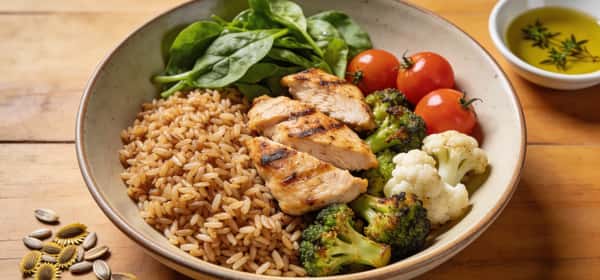
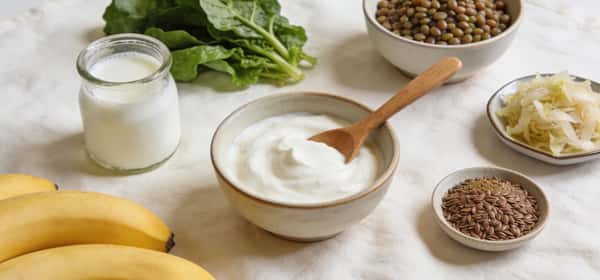
Aim for 25–30+ g/day from whole foods. Increase gradually (10 g/week) to avoid worsening bloating. Sources: legumes, whole grains, vegetables, fruits, nuts, seeds, ground flaxseed.
Eat anti-inflammatory food
The same dietary pattern that helps endometriosis broadly (Mediterranean, anti-inflammatory) also benefits gut health. See endometriosis diet, anti-inflammatory foods, and foods that cause inflammation.
Adequate hydration
2–2.5 L of water daily supports bowel function and reduces constipation. Boring but effective.
Address constipation actively
Chronic constipation is both a symptom of and an amplifier of pelvic pain in endometriosis. If you’re not having daily bowel movements:
- Increase soluble fiber — psyllium husk 5–10 g/day with water
- Increase fluids
- Add magnesium citrate — 200–400 mg in the evening (citrate has a mild laxative effect — see magnesium citrate and magnesium for constipation for specifics)
- Increase physical activity
- Address pelvic floor dysfunction — pelvic floor PT can help with dyssynergic defecation
Test for IBS-like triggers if symptoms warrant
If your GI symptoms are dominant, a structured low-FODMAP trial under a registered dietitian may help. This isn’t a long-term diet — it’s a diagnostic protocol to identify your personal trigger foods.
For broader gut support: ways to improve gut bacteria, healthy probiotic foods, and leaky gut diet.
Suggested read: Calcium for PMS: Dosage, Evidence, and How to Use It
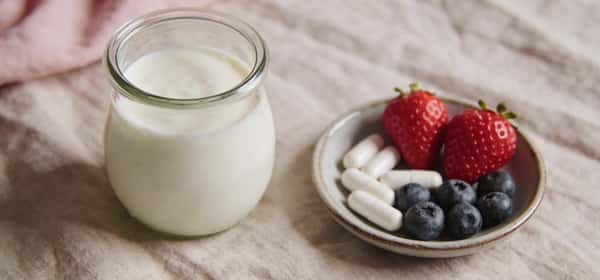
Probiotics: probably worth trying, evidence is thin
Multiple small studies have suggested benefit from probiotics in IBS-overlap with endometriosis, but no high-quality endometriosis-specific protocols exist yet. Reasonable to try:
- Lactobacillus and Bifidobacterium strains
- 4–8 weeks; if no improvement, stop
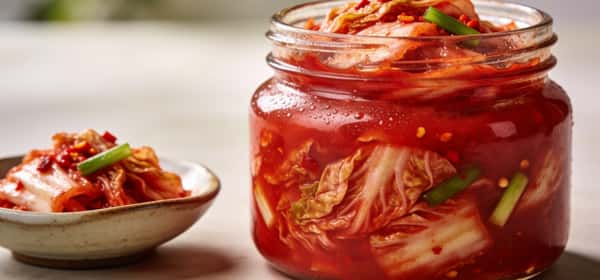
- Food sources (yogurt, kefir, sauerkraut, kimchi) are a low-risk place to start
Omega-3 supports both gut and endometriosis
EPA and DHA are anti-inflammatory in both systemic and gut contexts. Therapeutic dose for endometriosis: 1,000–2,000 mg combined daily. See omega-3 supplement guide.
What probably doesn’t help (despite the hype)
- Expensive “endometriosis-specific” probiotic blends — premium pricing without trial evidence
- “Healing” the gut to cure endometriosis — overstated based on current evidence
- Restrictive elimination diets without symptom-based justification — quality of life cost without benefit
- “Estrogen-detox” gut protocols — built on the estrobolome theory which the 2024 study didn’t support
- Stool testing for “endo gut profile” — no validated diagnostic profile exists
The bigger frame
The honest picture for endometriosis and gut health:
- GI symptoms in endometriosis are real and common. Addressing them improves quality of life.
- The causal microbiome theory is more uncertain than popular content suggests — the largest study to date found no differences.
- Anti-inflammatory diet, adequate fiber, addressing constipation, and treating IBS-like symptoms are practical and worthwhile regardless of whether they address the underlying endometriosis.
- Don’t expect “fix your gut” to be a cure — be skeptical of claims that promise this.
For the broader inflammation mechanism that connects endometriosis and gut function: endometriosis and inflammation. For the natural treatment context: endometriosis natural treatment. For symptoms: endometriosis symptoms.
Bottom line
The gut-endometriosis link is real for symptoms (bloating, GI overlap, constipation) but the causal microbiome theory took a hit in 2024 when the largest study to date found no significant microbiome differences between women with and without endometriosis. Practical gut interventions — anti-inflammatory diet, fiber, hydration, addressing constipation, possibly probiotics — improve symptoms. They don’t cure the disease. Be skeptical of expensive products claiming to “heal” your endo through gut treatment. Eat anti-inflammatory, support regular bowel function, address the GI piece if it’s prominent, and combine with appropriate medical care for the underlying condition.
Pérez-Prieto I, Vargas E, Salas-Espejo E, et al. Gut microbiome in endometriosis: a cohort study on 1000 individuals. BMC Medicine. 2024;22(1):294. PubMed | DOI ↩︎ ↩︎
Jiang I, Yong PJ, Allaire C, Bedaiwy MA. Intricate Connections between the Microbiota and Endometriosis. International Journal of Molecular Sciences. 2021;22(11):5644. PubMed | DOI ↩︎