An endometriosis diet won’t cure the disease — endometriosis is a structural condition where tissue grows where it shouldn’t, and food doesn’t dissolve that tissue. But the research is consistent that certain dietary patterns meaningfully reduce symptom severity, particularly the inflammatory, pain, and GI components that make endometriosis hard to live with.
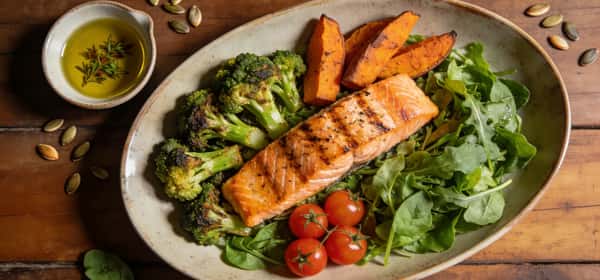
This guide covers what the evidence actually supports, the foods worth emphasizing, the ones worth reducing, and how to test for personal food triggers without falling into endlessly restrictive elimination diets.
Quick answer
The endometriosis diet most consistently associated with symptom improvement is a Mediterranean-style anti-inflammatory pattern:
Everyday meals can calm inflammation. Choose your goal and get your plan.
Powered by DietGenie Eat healthy
 Lose weight
 Gain muscles
 Explore new cuisines
- More: vegetables (especially leafy greens and cruciferous), fatty fish, legumes, fruits, whole grains, olive oil, nuts, fiber
- Less: trans fats, processed meats, red meat, refined carbs, added sugars, excessive alcohol
- Maybe (test individually): gluten, dairy, FODMAPs
The effect on symptoms is moderate but real for many women. Expect to feel the difference within 2–3 menstrual cycles of consistent change, not overnight.
What the research actually shows
A 2024 systematic review specifically on diet and endometriosis prevention identified consistent associations between reduced endometriosis risk and consumption of:
- Fruits and (non-cruciferous) vegetables
- Dairy products
- Fish
- Legumes
- Potatoes
- Vitamins A, C, D, and B12
- Monounsaturated and polyunsaturated fatty acids
- Calcium, potassium, and magnesium1
A 2023 systematic review and meta-analysis in American Journal of Obstetrics and Gynecology found that Mediterranean diet adherence was associated with improved female reproductive health outcomes across 32 studies and over 103,000 women — including suggestive benefit for endometriosis-related outcomes.2
The mechanism is consistent across studies: endometriosis is a chronic inflammatory disease, and diets that reduce systemic inflammation reduce symptom burden.
Foods to emphasize
Vegetables (5+ servings/day)
The single highest-leverage dietary change. Vegetables provide:
- Fiber that supports estrogen clearance through the gut
- Antioxidants that reduce oxidative stress in pelvic tissues
- Magnesium, calcium, and potassium that support smooth muscle function
- Phytonutrients with direct anti-inflammatory effects
Most useful categories:
- Leafy greens (spinach, kale, Swiss chard, arugula) — folate, magnesium, iron
- Cruciferous vegetables (broccoli, Brussels sprouts, cauliflower, cabbage) — DIM and indole-3-carbinol support estrogen metabolism
- Brightly colored vegetables (peppers, beets, sweet potatoes) — antioxidants
Note: the 2024 systematic review specifically noted “non-cruciferous” vegetables as associated with reduced risk, but cruciferous vegetables have separate evidence for supporting estrogen metabolism through phase II liver pathways. Both are useful.
Fatty fish (2–3 servings/week)
Wild salmon, sardines, mackerel, anchovies, and herring are rich in EPA and DHA, the long-chain omega-3 fatty acids that directly compete with omega-6 to produce less inflammatory prostaglandins.
For deeper evidence on omega-3 mechanism: endometriosis and inflammation. For food sources: high-omega-3 foods.
Legumes
Lentils, chickpeas, beans, soybeans, peas. Provide:
- Fiber for estrogen clearance
- Plant protein as a substitute for some red meat
- Magnesium, folate, and B vitamins
The Nurses’ Health Study II found that replacing animal protein with plant protein reduced ovulatory infertility risk — a related but supportive finding for the broader anti-inflammatory pattern.
Whole grains
Replace refined grains with:
- Oats
- Brown rice
- Quinoa
- Whole-grain bread
- Barley
- Buckwheat
The fiber content supports estrogen metabolism (estrogen is excreted through the bowel, so adequate bowel transit matters) and produces short-chain fatty acids that reduce systemic inflammation.
Suggested read: Perimenopause Diet: What to Eat to Reduce Symptoms
Olive oil
Replace cooking oils high in omega-6 (corn, soybean, sunflower) with extra virgin olive oil. The polyphenols in olive oil have direct anti-inflammatory effects, and the monounsaturated fat profile is anti-inflammatory.
Nuts and seeds
Walnuts (omega-3 ALA), almonds, flaxseed, chia seeds, pumpkin seeds. Provide healthy fats, magnesium, zinc, and fiber. A small handful most days is the typical pattern.
Fruits
Especially berries (high antioxidants), citrus (vitamin C, flavonoids), and apples (quercetin, fiber). The 2024 review specifically identified fruit consumption as protective.
Foods to reduce
Trans fats
The most consistent negative signal in the dietary endometriosis literature. Industrial trans fats — found in some baked goods, fried fast food, certain margarines — promote inflammation and have been associated with increased endometriosis risk in cohort studies. Most US products no longer contain industrial trans fats, but check labels on imported products and older recipes.
Red and processed meat
Higher intake of red meat (especially processed) is associated with increased endometriosis risk in observational studies. The mechanism may involve heme iron pro-oxidant effects, arachidonic acid content (omega-6 inflammation precursor), and IGF-1 effects.
You don’t need to go vegetarian. Reducing red meat to 1–2 servings/week and choosing leaner cuts is sufficient based on the evidence.
Refined carbs and added sugars
Refined carbs spike blood sugar and contribute to chronic inflammation. They also displace more nutrient-dense food. The realistic version: minimize sugary drinks, baked goods, candy, and sweetened breakfast cereals. Don’t aim for perfect; aim for the majority of your carbs being whole.
Excessive alcohol
Alcohol interferes with hepatic estrogen metabolism, potentially raising circulating estrogen levels. It also worsens sleep, which amplifies pain. Heavy drinking (>7 drinks/week for women) is most clearly problematic; light-to-moderate drinking is more equivocal.
Suggested read: AIP Diet Guide: What to Eat, Avoid, and How It Works
Caffeine (in higher amounts)
The evidence is mixed. Some studies suggest higher caffeine intake correlates with endometriosis risk; others don’t. Caffeine can also worsen anxiety and disrupt sleep, both of which amplify pain. Realistic: 1–2 cups of coffee/day is fine; 4+ may not be.
The gluten and dairy question
Both come up constantly in endometriosis discussions. The honest evidence:
Gluten
A small Italian study found that ~75% of women with endometriosis-associated pelvic pain reported improvement on a gluten-free diet for 12 months. That’s striking, but it’s one small uncontrolled study and the placebo effect of a major dietary change is large.
The reality:
- Some women genuinely improve on gluten-free; many don’t notice a difference
- Going strictly gluten-free without confirmed benefit reduces quality of life
- If you want to test it: strict gluten-free for 6 weeks, careful symptom tracking, then reintroduce to see if symptoms return
Dairy
The 2024 review found dairy consumption was associated with reduced endometriosis risk — counterintuitive but consistent across multiple studies.1 This may be partly due to calcium content (calcium has its own evidence for menstrual symptoms — see calcium for PMS) and partly due to vitamin D in fortified dairy.
That said, some women find dairy worsens their bloating or inflammation. If you suspect dairy is a trigger:
- Eliminate for 4–6 weeks
- Track symptoms
- Reintroduce one type at a time (fermented dairy first — yogurt, kefir — then milk, then cheese)
Most women don’t benefit from blanket dairy avoidance.
FODMAPs
For women whose endometriosis has a major bloating and GI component, a low-FODMAP diet under dietitian supervision can help. This isn’t a long-term diet — it’s a temporary diagnostic approach to identify which fermentable carbohydrates trigger your symptoms.
What about specific supplements?
Diet first, then specific supplements where evidence supports them. The ones with the most evidence for endometriosis symptom support:
- Omega-3 (EPA + DHA) — 1,000–2,000 mg/day for therapeutic effect
- Vitamin D — if deficient (>75% of endometriosis patients in some studies are deficient)
- Magnesium — 200–400 mg/day glycinate or citrate for cramps and sleep
- NAC — preliminary evidence; 600 mg × 3 daily in studied protocols
- Curcumin — preliminary anti-inflammatory evidence
A standard prenatal vitamin covers most baseline nutrient needs if you’re also trying to conceive. For the broader natural-treatment picture: endometriosis natural treatment.
Suggested read: Postpartum Nutrition: What to Eat to Heal After Birth
How to test for personal food triggers
Beyond the general patterns, individual response varies. To test a suspected trigger systematically:
- Pick one food category to eliminate (gluten, dairy, FODMAPs, nightshades, etc.)
- Eliminate strictly for 4–6 weeks — partial elimination doesn’t give a clean signal
- Track symptoms daily on a 0–10 scale (pain, bloating, fatigue, mood)
- If improvement is clear, reintroduce the food in normal amounts and track for 1–2 weeks
- If symptoms return on reintroduction, you have your answer
- If no clear change in either direction, the food isn’t a meaningful trigger for you
Don’t run multiple eliminations simultaneously — you can’t tell what’s working. Don’t stay eliminated based on hope; require evidence before committing long-term.
Sample one-day endometriosis-friendly menu
Not a prescription, just an illustration:
- Breakfast: Steel-cut oats with blueberries, walnuts, and ground flaxseed. Green tea.
- Lunch: Large salad with leafy greens, chickpeas, roasted sweet potato, avocado, pumpkin seeds, olive oil + lemon dressing. Side of plain Greek yogurt with berries.
- Snack: Apple with almond butter.
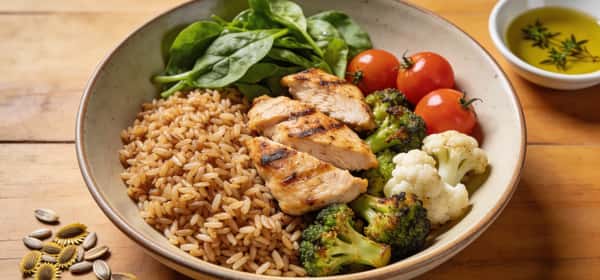
- Dinner: Wild salmon, roasted broccoli and cauliflower, quinoa, sautéed garlic spinach.
- Hydration: Water throughout the day, herbal tea in the evening (chamomile, ginger, or peppermint — see tea for menstrual cramps for the cramp-specific options).
This pattern delivers ~30 g fiber, ~120 g protein, plenty of omega-3, vegetables across the rainbow, and stays in the Mediterranean pattern.
What this diet won’t do
- Cure endometriosis — diet doesn’t dissolve endometriotic tissue
- Restore fertility on its own — broader fertility approach matters too (see fertility diet)
- Replace medical treatment — hormonal therapy and surgical care remain primary
- Work overnight — give it 2–3 cycles to see meaningful change
The realistic expectation: meaningful reduction in pain intensity, bloating, and fatigue for many women, alongside whatever medical management you’re doing. Not transformation, but improvement.
Bottom line
The endometriosis diet with real evidence is the Mediterranean pattern: lots of vegetables (cruciferous and leafy greens especially), fatty fish 2–3x/week, legumes, whole grains, olive oil, fruits, nuts. Reduce trans fats, red and processed meat, refined carbs, added sugars, and excessive alcohol. Dairy actually shows up as protective in the data — don’t preemptively eliminate it. Test individual triggers systematically rather than running blanket elimination diets. Diet is complementary to medical care, not a replacement. Expect meaningful symptom improvement over 2–3 cycles, not a cure.
Zaragoza-Martí A, Cabrera-González K, Martín-Manchado L, et al. The importance of nutrition in the prevention of endometriosis - Systematic review. Nutricion Hospitalaria. 2024;41(4):906-915. PubMed | DOI ↩︎ ↩︎
Yang J, Song Y, Gaskins AJ, et al. Mediterranean diet and female reproductive health over lifespan: a systematic review and meta-analysis. American Journal of Obstetrics and Gynecology. 2023;229(6):617-631. PubMed | DOI ↩︎