You’ve seen the claims, you’ve seen the recipes, and now you want the straight answer: does “natural Ozempic” actually work, or is it all hype? The honest reply is “a little, but not the way it’s sold.” Natural options can genuinely help you eat less — but pretending a glass of blended oats rivals a prescription drug sets you up for disappointment. Let’s compare them head-on, with the science, so you know exactly what to expect.
This is educational information, not medical advice. Ozempic (semaglutide) is a prescription medication. If you’re considering weight-loss treatment, talk to a doctor.
Quick answer: Natural Ozempic works in a limited sense — foods, fiber, and drinks that boost your own fullness hormones can modestly curb appetite and help you eat less. But it does not work like the drug. Semaglutide produces around 10–15% body-weight loss in trials by powerfully overriding appetite; natural options offer a gentle nudge to the same system, nothing close to that magnitude. The realistic verdict: “natural Ozempic” is a sustainable way to make healthy eating easier, not a replacement for medication or a shortcut to dramatic weight loss. For the foods involved, see natural Ozempic.
Choose your goal and get a meal plan that makes losing weight simpler.
Powered by DietGenie Lose weight
 Gain muscles
 Eat healthy
 Explore new cuisines
The honest comparison
Here’s the gap laid out plainly, because it’s the whole answer.
The real drug: Semaglutide is a GLP-1 receptor agonist that mimics your fullness hormone at a much higher, longer-lasting intensity than your body ever would. In a major trial, people reached over 10% weight loss within 20 weeks and kept losing on the drug — while those switched to placebo regained weight.1 That’s a powerful, sustained, pharmaceutical effect (with side effects and a prescription to match).
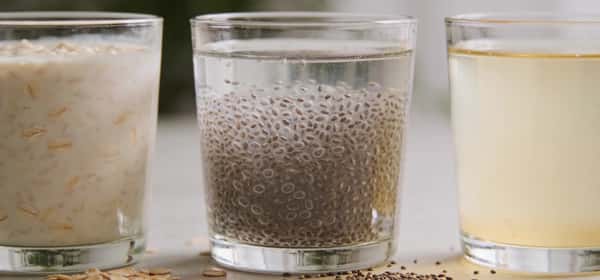
Natural “Ozempic”: Foods like protein and fiber stimulate your gut’s own GLP-1 and other satiety signals, which is real biology.2 But the boost is modest and short-lived compared with the drug. Viscous fiber, for instance, can cut between-meal calorie intake by roughly 20% — helpful, but a world away from the appetite-crushing effect of medication.3
So both “work,” but at completely different scales: one is a strong medical intervention, the other is a gentle dietary aid.
What natural Ozempic can realistically do
Set against honest expectations, the natural approach genuinely helps:
- Curb your appetite a bit, so you feel fuller and reach for less.
- Make a calorie deficit easier to sustain — the hardest part of any diet is hunger, and fiber/protein reduce it.
- Improve diet quality, since the “natural Ozempic” foods (protein, fiber, vegetables) are good for you anyway.
- Support gradual, steady weight loss when combined with an overall sensible diet.
That’s a real, worthwhile set of benefits — just not a dramatic one.
What it can’t do
Being equally clear about the limits:
- It won’t match the drug’s results. No food produces double-digit, medication-level weight loss on its own.
- It won’t override strong appetite or metabolic conditions the way semaglutide can for people who medically need it.
- It’s not a quick fix. Any real change comes gradually, through eating less over time — not in a viral two-week transformation.
- The dramatic before-and-afters are misleading, usually driven by extreme calorie cutting (e.g., replacing meals with a drink), not by the “natural Ozempic” itself.
Natural vs the drug, at a glance
| Natural “Ozempic” | Semaglutide (Ozempic/Wegovy) | |
|---|---|---|
| What it is | Foods, fiber, drinks | Prescription GLP-1 drug |
| Mechanism | Gently boosts your own GLP-1/fullness | Powerfully mimics GLP-1 |
| Typical effect | Modest appetite reduction | ~10–15% weight loss in trials |
| Speed | Gradual | Marked, sustained |
| Access | Anyone, low cost | Prescription, costly |
| Downsides | Few (bloating from fiber) | GI side effects; regain if stopped |
Who is natural Ozempic right for?
It’s a sensible approach if you:
- Want to lose a modest amount of weight and prefer a food-first, sustainable route.
- Need help managing appetite while eating in a calorie deficit.
- Don’t need or want medication, or aren’t a candidate for it.
It’s not the answer if you have significant weight to lose or a medical condition where stronger treatment is warranted — in that case, talk to a doctor about actual GLP-1 medication for weight loss, and be aware of its real side effects.
Why the before-and-afters mislead
The single biggest reason people overestimate “natural Ozempic” is the transformation photos, so it’s worth understanding what’s really behind them:
- Severe calorie cutting. Most dramatic results come from using a drink to replace one or two meals a day, which slashes total calories far more than the drink itself does anything. The same deficit from any source would produce similar results.
- Water weight. Early, fast “weight loss” is often water, especially when cutting carbs or eating less — it comes back.
- Survivorship and selection. You see the success videos because they get shared; the people for whom it did nothing don’t post.
- Everything-at-once. Many people start a drink and exercise more, sleep better, and eat more carefully — then credit the drink for the combined effect.
None of this means the foods are useless — it means the cause of big results is a calorie deficit and lifestyle change, not a magical property of the drink.
The genuinely useful takeaway
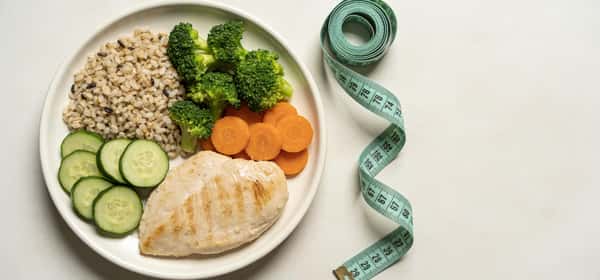
Strip away the hype and there’s a real, evidence-based message hiding inside the “natural Ozempic” trend: building meals around protein, fiber, and filling foods reduces hunger and makes eating less feel doable. That’s not a gimmick — it’s the foundation of sustainable weight management. The viral drinks are just one small, optional expression of it. See foods that mimic Ozempic for how to put it into practice.
Suggested read: Foods That Mimic Ozempic: Boost GLP-1 Naturally
The bottom line
Does natural Ozempic work? Yes — modestly. Foods, fiber, and drinks that boost your body’s own fullness signals can genuinely curb appetite and help you eat less, which supports gradual weight loss. What they can’t do is rival semaglutide, a drug that drives double-digit weight loss by overriding appetite far more forcefully than any meal can.
The smart way to use the trend is to take its real lesson — eat more protein, fiber, and filling foods — and ignore the fantasy that any drink equals a prescription. Set realistic expectations, focus on a sustainable eating pattern, and see a doctor if you need more than diet can offer. Done that way, “natural Ozempic” is a genuinely helpful habit, just not the miracle the name promises.
Rubino D, Abrahamsson N, Davies M, et al. Effect of Continued Weekly Subcutaneous Semaglutide vs Placebo on Weight Loss Maintenance in Adults With Overweight or Obesity: The STEP 4 Randomized Clinical Trial. JAMA. 2021;325(14):1414-1425. PubMed ↩︎
Santos-Hernández M, Reimann F, Gribble FM. Cellular mechanisms of incretin hormone secretion. J Mol Endocrinol. 2024;72(4):e230112. PubMed ↩︎
Rao TP. Role of guar fiber in appetite control. Physiol Behav. 2016;164(Pt A):277-283. PubMed ↩︎