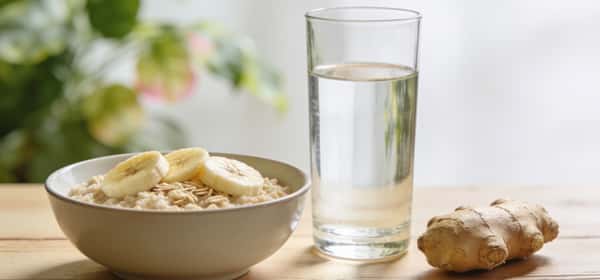
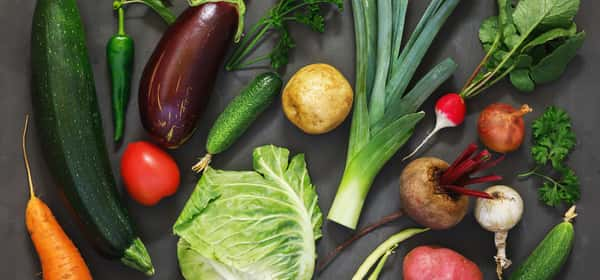
If you’ve been diagnosed with diverticulitis, you’ve probably received confusing, even contradictory, diet advice — eat more fiber, eat less fiber, never touch nuts and seeds again. The confusion is understandable, because the right diet genuinely changes depending on whether you’re in the middle of a flare-up or trying to prevent the next one. Get that distinction right and food becomes one of your most powerful tools. Here’s the diverticulitis diet, made clear.
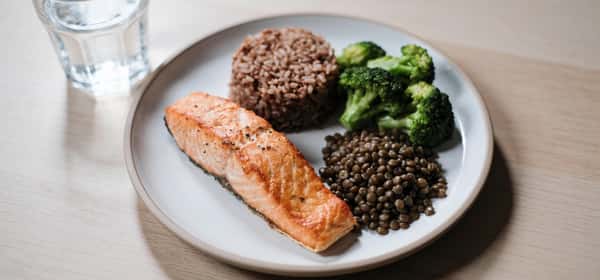
Quick answer: The diverticulitis diet has two phases. During an acute flare, your gut needs rest, so doctors usually recommend a temporary low-fiber or clear-liquid diet until symptoms settle. Once you’ve recovered, you switch to the opposite — a high-fiber diet to prevent future flares, since higher fiber intake is linked to a significantly lower risk of diverticular disease.1 And you can drop the old fear of nuts, seeds, and popcorn: research shows they don’t raise your risk at all.2 Because acute diverticulitis is a real medical condition, always follow your doctor’s specific advice during a flare.
First: diverticulosis vs. diverticulitis
A quick but important distinction. Diverticulosis is when small pouches (diverticula) form in the wall of your colon. It’s extremely common, especially with age, and usually causes no symptoms at all. Diverticulitis is when one or more of those pouches becomes inflamed or infected, causing pain (often in the lower-left abdomen), fever, nausea, and changes in your bowel habits.
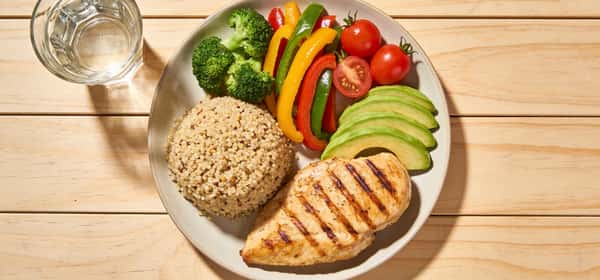
A calm gut starts with the right meals. Choose your goal and get your plan.
Powered by DietGenie Eat healthy
 Lose weight
 Gain muscles
 Explore new cuisines
Diet plays two different roles here: helping you recover during a bout of diverticulitis, and reducing the chance of one happening in the first place. Most people with diverticulosis never develop diverticulitis at all, and a good long-term diet is a big part of keeping it that way. Those two goals call for nearly opposite eating patterns, which is the source of most of the confusion.
Phase 1: eating during a flare-up
When diverticulitis flares, the goal is to rest your inflamed colon. That means temporarily reducing fiber, not increasing it — the opposite of the long-term advice. Doctors typically recommend a stepped approach:
- Clear liquids at first (water, broth, clear juices, ice pops) if symptoms are significant.
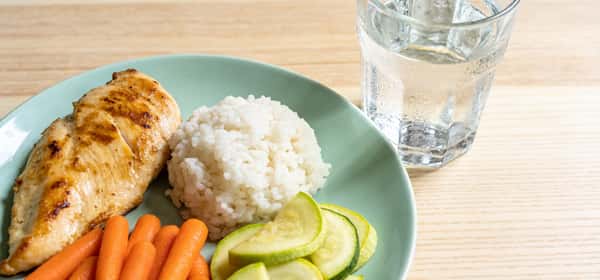
- Low-fiber foods as you start to improve — white bread, white rice, well-cooked vegetables without skins, tender meat, eggs.
- Gradual return to fiber once symptoms have fully resolved.
This low-fiber phase is short-term and meant to be done under medical guidance — typically a matter of days, not weeks, since staying low-fiber long-term would remove the very protection you want between flares. Crucially, a severe flare often needs more than diet — antibiotics or, occasionally, hospital care — so this is about supporting recovery, not replacing treatment. We cover the eating side in detail in foods to eat with diverticulitis.
Phase 2: eating to prevent flare-ups
Once you’ve recovered, the strategy flips entirely. To prevent future attacks, a high-fiber diet is the cornerstone. Fiber keeps stool soft and bulky, easing its passage and reducing pressure in the colon — and the evidence is strong. A meta-analysis found that higher fiber intake is associated with a lower risk of diverticular disease, with people eating around 30 grams a day having a 41% lower risk than those eating little.1
Build your prevention diet around:
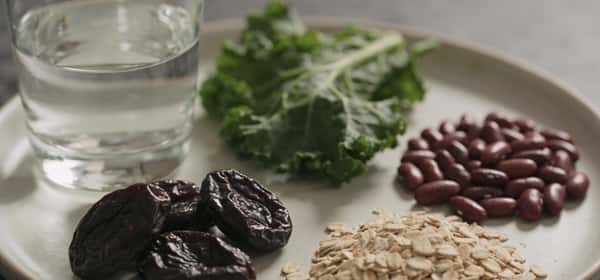
- Whole grains (oats, brown rice, whole-grain bread)
- Fruits and vegetables
- Legumes (beans, lentils, chickpeas)
- Nuts and seeds
Increase fiber gradually to avoid gas and bloating, and drink plenty of water so the fiber can do its job. A good rule of thumb is to add about 5 grams every few days until you reach a target of around 30 grams a day — the level tied to the biggest reduction in risk. Jumping straight to a very high-fiber diet tends to backfire with temporary bloating, which puts people off before they see the benefit. Our guide to high-fiber foods makes it easy, and the full prevention playbook is in how to prevent diverticulitis.
The nuts, seeds, and popcorn myth
Here’s the myth you can finally let go of. For decades, people with diverticular disease were told to avoid nuts, seeds, corn, and popcorn, on the theory that tiny fragments could lodge in the pouches and cause trouble. Large research overturned that: in a study following nearly 47,000 men for 18 years, nut, corn, and popcorn consumption did not increase the risk of diverticulitis — and nuts and popcorn were actually associated with a slightly lower risk.2 So these nutritious, high-fiber foods are not only allowed between flares, they may help. (During an acute flare, you still keep fiber low — but that’s about the fiber, not a special danger from seeds.)
What to limit: red meat
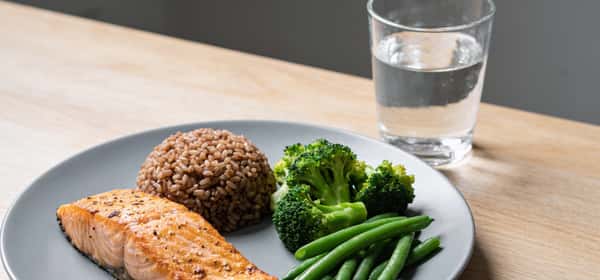
While fiber protects, one food stands out as a risk. A large study found that men with the highest red meat intake had a 58% higher risk of diverticulitis, with unprocessed red meat the biggest culprit — and swapping poultry or fish for a serving of red meat lowered the risk.3 So a prevention diet leans toward plant proteins, poultry, and fish rather than lots of red meat. You’ll find the wider list in foods to avoid with diverticulitis.
Beyond food
Diet is central, but a few lifestyle factors round out prevention: staying physically active, maintaining a healthy weight, drinking enough water, and not smoking all lower diverticulitis risk. This overlaps heavily with a generally gut-friendly, Mediterranean-style way of eating. Our meal plan turns the prevention diet into a practical week.
Suggested read: How to Prevent Diverticulitis Flare-Ups Naturally
When to see a doctor
The essential caveat. Acute diverticulitis is a genuine medical condition that can occasionally become serious — leading to abscesses, perforation, or obstruction — so it needs proper medical care, not diet alone. See a doctor if you have persistent abdominal pain, fever, nausea and vomiting, or a marked change in bowel habits. During a flare, follow the specific dietary instructions your doctor or dietitian gives you, since they’ll tailor the plan to your situation. Think of the diverticulitis diet as your tool for recovery and long-term prevention — working alongside medical treatment, never instead of it.
The bottom line
The diverticulitis diet is really two diets. During a flare, you temporarily go low fiber to rest the gut, following your doctor’s guidance and any prescribed treatment. Once recovered, you go high fiber — aiming for around 30 grams a day from whole grains, fruits, vegetables, legumes, nuts, and seeds — to cut your risk of the next attack by a meaningful margin. Drop the outdated fear of nuts and seeds, go easy on red meat, drink plenty of water, and keep active. Match the food to the phase, keep your doctor in the loop, and you turn your diet into real protection against diverticulitis.
Aune D, Sen A, Norat T, Riboli E. Dietary fibre intake and the risk of diverticular disease: a systematic review and meta-analysis of prospective studies. Eur J Nutr. 2020;59(2):421-432. PubMed ↩︎ ↩︎
Strate LL, Liu YL, Syngal S, Aldoori WH, Giovannucci EL. Nut, corn, and popcorn consumption and the incidence of diverticular disease. JAMA. 2008;300(8):907-914. PubMed ↩︎ ↩︎
Cao Y, Strate LL, Keeley BR, et al. Meat intake and risk of diverticulitis among men. Gut. 2018;67(3):466-472. PubMed ↩︎