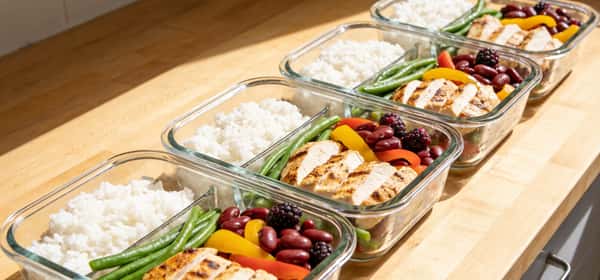
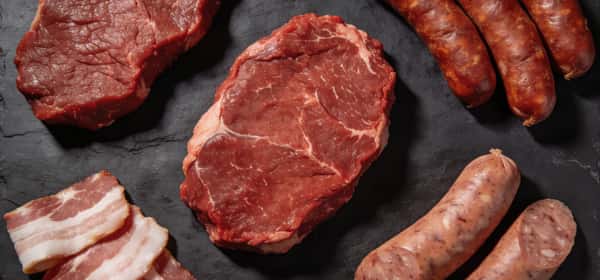
Turning “low-fiber during a flare, high-fiber to prevent one” into actual meals is where most people get stuck. So here’s a done-for-you diverticulitis meal plan covering both phases: a gentle step-by-step progression to eat your way through a flare-up, and a full 7-day high-fiber plan to keep the next one away. Everyday food, clearly organized by phase, so you always know what belongs on your plate.
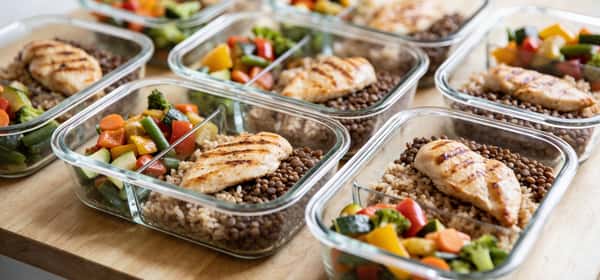
Quick answer: A diverticulitis meal plan has two parts. During a flare, you progress from clear liquids to low-fiber foods and then gradually back to normal as symptoms settle. For prevention, you follow a high-fiber plan — whole grains, fruits, vegetables, and legumes — since around 30 grams of fiber a day is linked to a 41% lower risk of diverticular disease.1 The plans below give you both. Always follow your doctor’s specific advice during an active flare, and increase fiber gradually.
Phase 1: the flare-recovery progression
During a flare, the aim is to rest your gut and step back up slowly as you improve. This is a rough guide — your doctor may adjust the timing.
A calm gut starts with the right meals. Choose your goal and get your plan.
Powered by DietGenie Eat healthy
 Lose weight
 Gain muscles
 Explore new cuisines
Stage 1 — Clear liquids (worst of the flare): water, broth, clear pulp-free juices, plain gelatin, ice pops, weak tea. Stay on this only as long as your doctor advises.
Stage 2 — Low-fiber foods (symptoms easing):
- Breakfast: scrambled eggs with white toast
- Lunch: white rice with tender, well-cooked chicken
- Dinner: plain pasta with a little olive oil and skinless cooked vegetables
- Snacks: canned peaches, plain crackers, yogurt
Stage 3 — Reintroducing fiber (recovering): slowly add back oatmeal, cooked vegetables with skins, soft fruit, and eventually whole grains and legumes over several days, watching how you feel.
The golden rule here is gradual — don’t jump from clear liquids straight to a high-fiber meal. More detail on each stage is in the best foods for diverticulitis.
Phase 2: the 7-day high-fiber prevention plan
Once you’re fully recovered, this is the everyday plan that lowers your risk of another flare. It’s built to be fiber-rich and mostly plant-based, with red meat kept to a minimum.
Day 1 — Breakfast: oatmeal with berries and a spoon of chia. Lunch: lentil soup with whole-grain bread. Dinner: baked salmon, brown rice, and broccoli. Snack: an apple and a few almonds.
Day 2 — Breakfast: whole-grain toast with avocado and egg. Lunch: chickpea and vegetable salad. Dinner: grilled chicken with quinoa and roasted vegetables. Snack: pear.
Day 3 — Breakfast: bran cereal with milk and banana. Lunch: black bean and brown-rice bowl with peppers. Dinner: baked white fish with sweet potato and green beans. Snack: yogurt with walnuts.
Day 4 — Breakfast: oatmeal with pear and cinnamon. Lunch: whole-grain wrap with turkey, spinach, and hummus. Dinner: vegetable and lentil curry with brown rice. Snack: a handful of popcorn.
Day 5 — Breakfast: smoothie with berries, spinach, and oats. Lunch: minestrone soup with beans. Dinner: grilled chicken, barley, and roasted carrots. Snack: orange and almonds.
Day 6 — Breakfast: whole-grain toast with peanut butter and banana. Lunch: quinoa salad with chickpeas and vegetables. Dinner: baked salmon with whole-grain pasta and salad. Snack: yogurt with berries.
Day 7 — Breakfast: oatmeal with mixed seeds and fruit. Lunch: lentil and vegetable stew. Dinner: turkey chili with beans over brown rice. Snack: apple and a few nuts.
Throughout: drink plenty of water, and enjoy the nuts, seeds, and popcorn you were once told to avoid. Notice red meat barely appears — that’s deliberate, since poultry, fish, and beans carry the protein without the added risk that comes with lots of red meat.
Your prevention grocery list
- Grains: oats, brown rice, quinoa, barley, whole-grain bread and pasta, bran cereal
- Fruit & veg: berries, apples, pears, bananas, oranges, broccoli, carrots, spinach, sweet potato, green beans
- Legumes: lentils, chickpeas, black beans, kidney beans
- Protein: chicken, turkey, salmon, white fish, eggs
- Extras: almonds, walnuts, chia and mixed seeds, popcorn, yogurt, hummus, olive oil
How much fiber, and how fast
The prevention plan aims for roughly 30 grams of fiber a day, the amount tied to the biggest drop in risk. But how quickly you get there matters as much as the target. If you’re coming off a flare or a typically low-fiber diet, jumping straight to 30 grams will leave you gassy and bloated — which can feel alarming even though it’s harmless. Instead, add around 5 grams every few days until you reach the goal, and pair every increase with more water. A rough sense of where the fiber comes from:
- A bowl of oatmeal: ~4 g
- An apple or pear with skin: ~4–5 g
- A cup of cooked lentils: ~15 g
- A slice of whole-grain bread: ~2–3 g
- A handful of almonds: ~3 g
You can see how quickly a day of the meals above adds up to 30 grams without any effort or supplements.
Adjusting the plan for you
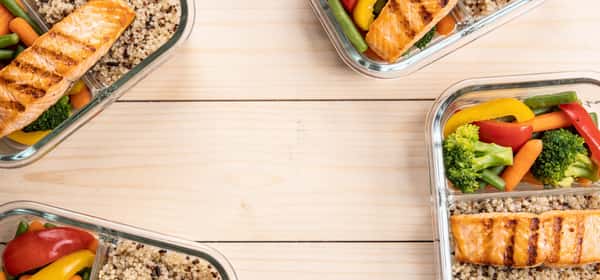
The 7-day plan is a template, not a prescription — bend it to fit you:
- Match it to your phase. Fresh out of a flare, lean on the recovery progression and reintroduce the high-fiber meals gradually rather than starting at Day 1 of the prevention plan.
- Swap within groups. Trade one whole grain, legume, or fruit for another you prefer; the fiber is what counts, not the specific item.
- Mind your own tolerance. If a particular high-fiber food reliably bothers you, choose others — there’s plenty of variety to hit your target comfortably.
Tips to make it work
- Build fiber up gradually, especially after a flare, and drink water alongside it to avoid gas and bloating.
- Batch-cook grains, soups, and roasted vegetables so a high-fiber meal is always ready.
- Swap red meat out — reach for poultry, fish, or beans, which are linked to lower risk.
- Keep it Mediterranean-ish — this plan overlaps neatly with the Mediterranean diet and the prevention steps in how to prevent diverticulitis.
- Don’t skip the water — every gram of fiber you add works better with enough fluid, so keep a bottle within reach through the day.
A plan tailored to your own tastes, phase, and fiber tolerance is far easier to stick with — which is exactly what the personalized plan below offers.
Suggested read: The Diverticulitis Diet: Flare-Up and Prevention
The bottom line
A diverticulitis meal plan is two plans in one. During a flare, move step by step from clear liquids to gentle low-fiber meals and then gradually back to fiber, following your doctor’s lead. For the long run, the 7-day high-fiber plan above — rich in whole grains, fruits, vegetables, and legumes, light on red meat, and generous with the once-forbidden nuts and seeds — is what cuts your risk of the next flare. Increase fiber gradually, drink plenty of water, and match every meal to the phase you’re in. Do that consistently and your plate becomes a genuine tool for keeping diverticulitis at bay.