Liver is one of the most nutrient-dense foods on the planet, and also one most people refuse to cook. That gap is exactly why desiccated liver supplements exist. Instead of frying up a slab of beef liver and gagging through the metallic taste, you swallow a few capsules of dried liver powder and move on with your day. The ancestral-health and carnivore folks swear by them. But do the pills actually do what a plate of real liver does, and are they worth the price? Let’s get into it.
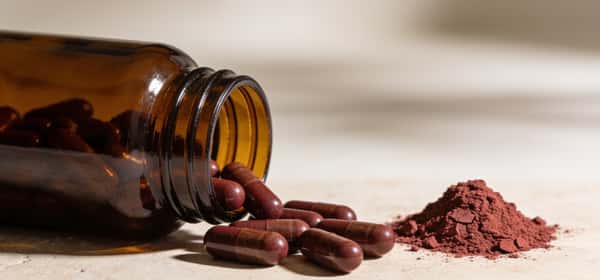
Quick answer: Desiccated liver is raw beef liver that’s been gently dehydrated or freeze-dried and ground into a powder, then packed into capsules. It concentrates the real nutrients liver is famous for, like preformed vitamin A (retinol), B12, copper, heme iron, folate, choline, and riboflavin, into a tasteless pill. It’s a legit way to get organ-meat nutrition without cooking organ meat. The catch: a few capsules is only a fraction of a real liver serving, so it works as a top-up rather than a megadose, and stacking it with other vitamin A sources can push you into risky territory.
What desiccated liver actually is
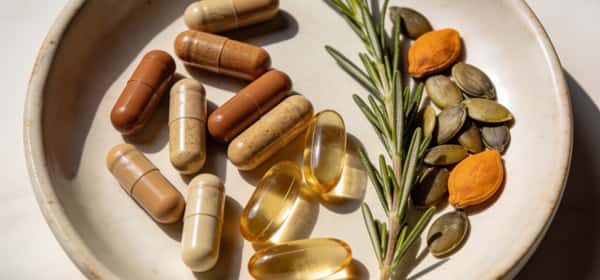
“Desiccated” just means dried. The good supplements take fresh, raw beef liver and freeze-dry it, pulling the water out at low temperature so the heat-sensitive nutrients survive. The dried liver gets milled into a fine powder and encapsulated. That’s the whole process. No fillers needed, no chemistry, just liver with the water removed.
Real meals matter more than any supplement. Choose your goal and get your plan.
Powered by DietGenie Eat healthy
 Lose weight
 Gain muscles
 Explore new cuisines
Because you’re removing water and keeping everything else, the powder is concentrated. Roughly three to four grams of dried powder comes from something like fifteen grams of fresh liver, since raw liver is mostly water by weight. So one capsule holds a small but dense hit of what makes organ meats special.
The whole category got popular through the ancestral and carnivore movements. A handful of brands built their reputation on grass-fed beef liver capsules, pitching them as a way to eat “nose to tail” without actually butchering anything. If you’ve read about the carnivore diet, you’ve probably seen these pills mentioned as the easy on-ramp to organ meats.
What’s inside the capsules
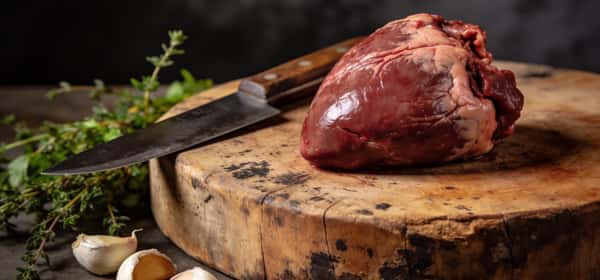
Liver earns its “nature’s multivitamin” nickname, and drying it doesn’t strip that away. Freeze-dried liver powder carries the same profile as the fresh stuff, just concentrated. Here’s what you’re actually getting:
- Preformed vitamin A (retinol). This is the big one. Liver is the richest common source of retinol, the ready-to-use form of vitamin A your body doesn’t have to convert. It’s also the reason you have to respect dosing, which we’ll get to.
- Vitamin B12. Liver is loaded with B12, and it’s the bioavailable animal form. That matters because B12 is genuinely hard to get from plants. A systematic review found kids and teens on plant-based diets frequently run low without supplementation.1
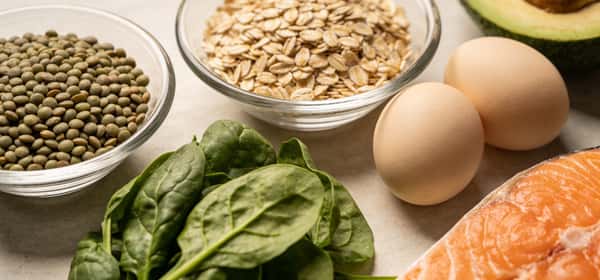
- Heme iron. The iron in liver is heme iron, the type your gut absorbs far more efficiently than the iron in spinach or beans.2 If your iron is on the low side, this is a real perk.
- Copper, folate, choline, and riboflavin. Liver quietly delivers copper (which most diets skimp on), folate, choline for your brain and liver, and riboflavin. It’s a broad spread, not a one-trick nutrient.
If you want the full breakdown of why the whole food is such a standout, the beef liver benefits rundown goes deeper on each nutrient.
Capsules vs. eating real liver
Here’s the honest comparison nobody selling capsules wants front and center. Both get you the nutrients. They differ on everything else.
| Factor | Desiccated liver capsules | Fresh beef liver |
|---|---|---|
| Cost per nutrient | High, you pay a big markup | Low, liver is one of the cheapest cuts |
| Convenience | Swallow and go, no cooking | Requires shopping, prep, cooking |
| Taste | None, that’s the whole point | Strong, metallic, divisive |
| Nutrient transparency | Depends on the label and brand | You know exactly what you ate |
| Vitamin A control | Fixed per capsule, easy to track | Harder to eyeball per serving |
| Third-party testing | Available from better brands | Not applicable |
The takeaway: capsules win on convenience and taste by a mile. Real liver wins on cost, and it isn’t close. A whole beef liver feeds you for weeks at a few dollars a pound, while a bottle of capsules delivering the same nutrients over the same span can cost many times more. If you can stomach cooking liver once a week, your wallet will thank you. If you can’t, the pills are a reasonable trade.
Suggested read: Beef Kidney Nutrition: Benefits & Cautions
How to dose desiccated liver
Most labels suggest something like three to six capsules a day, which works out to roughly three to six grams of dried liver. That sounds like a lot of pills, but remember the concentration math: six grams of powder maps back to somewhere around a single small serving of fresh liver, maybe less. Nutritionists often suggest eating whole liver once or twice a week, not daily, so a daily few-capsule habit lands you in a similar weekly ballpark.
That’s why it’s better to think of desiccated liver as a top-up, not a megadose. A few capsules fills small gaps in copper, B12, or iron without overwhelming anything. Where people get into trouble is stacking. If you take a multi-organ blend (liver plus kidney, heart, spleen), the vitamin A from multiple liver-containing ingredients adds up fast, and that’s before you count any actual liver on your dinner plate or a separate cod liver oil habit. Read every label and add up the retinol.
Suggested read: Magnesium Complex: Benefits, What's In It, and How to Choose
Quality and sourcing: what to look for
Supplements aren’t tightly regulated, so quality swings hard from brand to brand. A few things separate the decent from the junk:
- Grass-fed, pasture-raised source. Cattle raised on grass tend to yield liver with a better nutrient profile, and you’re avoiding whatever the animal was otherwise exposed to. The liver is a filter organ, so sourcing genuinely matters here.
- Freeze-dried, not heat-processed. Freeze-drying preserves the heat-sensitive vitamins and enzymes. If a label is vague about how the liver was dried, assume the cheaper, hotter method that degrades some of the goods.
- Third-party tested. The better brands pay an independent lab to verify what’s in the bottle and screen for heavy metals and contaminants. Look for that on the label. If a company won’t say where its liver comes from or how it’s processed, that silence tells you something.
You’re buying trust as much as nutrients. Pay for a brand that’s transparent.
The honest cautions
This is the part that matters most, because “natural” doesn’t mean “unlimited.”
Vitamin A can build up and turn toxic. Preformed vitamin A (the retinol liver concentrates) is fat-soluble, so your body stores the excess instead of flushing it. Take too much for too long and you can develop hypervitaminosis A, with symptoms ranging from headaches and blurred vision to liver damage.3 Even chronically elevated intake that falls short of obvious poisoning has been linked to weaker bones and higher fracture risk.4 This risk compounds if you’re also eating liver, taking cod liver oil, or using other high vitamin A foods and supplements. Pregnant women need to be especially careful, since too much preformed vitamin A is associated with birth defects. If you’re pregnant, talk to your doctor before touching liver capsules.
Iron can overload, too. The heme iron in liver is a plus if you’re low, but a liability if you’re not. Men and postmenopausal women don’t lose iron regularly, and people with hemochromatosis absorb far too much of it. Since heme iron is so well absorbed, capsules can quietly stack iron you don’t need. If you’re already eating plenty of high iron foods, factor that in.
It’s not a diet replacement. Capsules cover a slice of the nutrient spectrum. They don’t bring protein in any meaningful amount, they don’t bring fiber, and they don’t replace vegetables, fruit, or a varied plate. Treat them as one small tool, not a meal.
And the money. Per gram of nutrient, capsules cost far more than a slab of real liver. You’re paying a steep premium for convenience. That’s a fair trade for some people and a waste for others, so be honest with yourself about whether you’d actually cook the real thing.
While we’re on the topic of “more isn’t better,” the same logic applies to individual nutrients. If you’re curious where the ceiling sits on the B side of the profile, how much vitamin B12 is too much covers where the safe limits land.
Suggested read: Beef Liver Benefits: Nature's Most Nutrient-Dense Food
The bottom line
Desiccated liver supplements are a real thing, not a scam. They’re freeze-dried beef liver in a pill, and they deliver the nutrients that make liver worth eating: retinol, B12, heme iron, copper, folate, choline, and riboflavin, minus the taste and the cooking. For people who won’t eat organ meat but want its benefits, they’re a sensible top-up.
Two honest caveats keep them in perspective. First, watch your total vitamin A and iron, especially if you eat liver or take other supplements, and check with a doctor if you’re pregnant or have hemochromatosis. Second, if you can bring yourself to cook actual liver once a week, it’s dramatically cheaper and just as effective. The pills buy you convenience. Whether that’s worth the markup is a call only you can make.
Jensen CF, et al. Vitamin B12 levels in children and adolescents on plant-based diets: a systematic review and meta-analysis. Nutr Rev. 2023;81(8):951-966. PubMed ↩︎
Zijp IM, Korver O, Tijburg LB. Effect of tea and other dietary factors on iron absorption. Crit Rev Food Sci Nutr. 2000;40(5):371-398. PubMed ↩︎
Penniston KL, Tanumihardjo SA. The acute and chronic toxic effects of vitamin A. Am J Clin Nutr. 2006;83(2):191-201. PubMed ↩︎
Hathcock JN, Hattan DG, Jenkins MY, et al. Evaluation of vitamin A toxicity. Am J Clin Nutr. 1990;52(2):183-202. PubMed ↩︎