A few years ago, “blood sugar” was something only people with diabetes thought about. Now it’s everywhere — glucose monitors on healthy arms, “balance your blood sugar” reels, and a whole vocabulary of spikes and crashes. Some of this is genuinely useful, and some of it has tipped into obsession. The honest middle ground: a few simple, evidence-backed habits really do steady your blood sugar in ways that can help energy, cravings, and appetite — but you don’t need to fear every bite of bread. Here’s what actually matters.
Quick answer: “Blood sugar balance” means keeping your glucose from swinging too sharply up and down after meals. For people without diabetes, the realistic benefits of steadier blood sugar are fewer energy crashes, fewer cravings, and easier appetite control — not a dramatic health transformation. The tactics that genuinely work are simple and well-supported: eat vegetables, protein, and fat before or with your carbs, choose higher-fiber and lower-glycemic foods, and take a short walk after meals. These flatten the post-meal glucose rise. What’s overhyped is the idea that healthy people must obsessively eliminate every spike. Spikes are normal; it’s the chronic, exaggerated pattern that matters.
What “blood sugar balance” actually means
Every time you eat carbohydrates, your blood glucose rises, your pancreas releases insulin to move that glucose into cells, and your blood sugar comes back down. That rise-and-fall is completely normal and happens to everyone.
Choose your goal and get a meal plan that considers your blood sugar.
Powered by DietGenie Eat healthy
 Lose weight
 Gain muscles
 Explore new cuisines
“Balancing” your blood sugar means keeping that curve gentler — a moderate rise and smooth return, rather than a sharp spike followed by a steep crash. In people with diabetes, this is medically important. In people without diabetes, the body handles spikes well on its own, but the size and frequency of those swings can still influence how you feel and, over many years, your metabolic health.
So the goal for a healthy person isn’t a flat line (that’s neither realistic nor necessary) — it’s avoiding the constant, exaggerated roller coaster that comes from eating lots of refined carbs by themselves.
Why people care (and what’s realistic)
Here’s the honest version of the benefits, separating the real from the oversold.
Genuinely supported:
- Steadier energy. A big spike is often followed by a crash that leaves you tired and foggy — smoothing the curve helps avoid that dip. See how to avoid sugar crashes.
- Fewer cravings. That post-crash slump often drives you to reach for more sugar, creating a cycle. Steadier glucose can quiet it.
- Better appetite control. The same habits that flatten glucose (fiber, protein) also keep you full, which helps with weight management.
Overhyped:
- The idea that every glucose spike is “damaging” your healthy body, or that a continuous glucose monitor is essential for non-diabetics. Spikes are a normal response to food, and for metabolically healthy people the evidence that obsessively flattening each one transforms your health or weight is far weaker than the wellness marketing implies.
The sweet spot is using the legit tactics without the anxiety.
The tactics that actually work
The good news: the strategies with real evidence are simple, free, and require no gadgets.
1. Eat your food in the right order
This is the standout, because it’s almost effortless. Eating vegetables and protein before carbohydrates meaningfully blunts the glucose rise. In a controlled trial in healthy adults, consuming vegetables, then meat, then rice produced a significantly lower glucose response — and more of the fullness hormone GLP-1 — than eating the rice first, with no extra insulin demand.1 We break this down in food order for blood sugar.
2. Pair carbs with fiber, protein, and fat
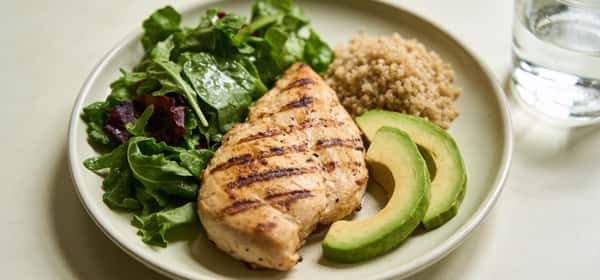
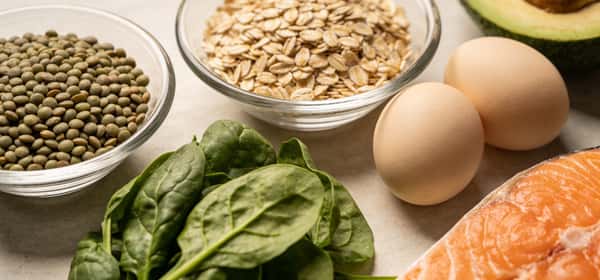
Naked carbs (white bread, juice, sweets alone) spike fastest. Adding fiber, protein, or fat slows digestion and flattens the curve. Reducing refined carbs or boosting soluble fiber reliably improves post-meal glucose.2 Lean on high-fiber foods and high-protein foods, and favor lower-glycemic-index choices.
3. Walk after meals
A short, easy walk after eating is one of the most effective free tools there is. A meta-analysis found that light-intensity walking significantly reduced post-meal glucose and insulin compared with sitting — and it beat simply standing.3 Even 10–15 minutes helps.
4. The smaller levers
A splash of vinegar before a carb-heavy meal (apple cider vinegar) and certain supplements like berberine have modest blood-sugar effects — minor compared with the basics above, but real for some.
Blood sugar tactics, ranked
| Tactic | Effort | Evidence |
|---|---|---|
| Eat veg/protein before carbs | Very low | Strong |
| Walk after meals | Low | Strong |
| Pair carbs with fiber/protein/fat | Low | Strong |
| Choose lower-GI, higher-fiber carbs | Low | Good |
| Vinegar before meals | Low | Modest |
| Supplements (berberine, etc.) | Medium | Modest |
Who should care most
Blood sugar balance matters more for some people than others:
- Most relevant: those with prediabetes, insulin resistance, PCOS, a family history of type 2 diabetes, or frequent energy crashes and cravings. See insulin and insulin resistance.
- Helpful but not urgent: metabolically healthy people, who benefit from the habits (which are just good nutrition) without needing to obsess.
- Medically important: anyone with diabetes — but that’s a different, doctor-guided situation. For that angle, see our foods to lower blood sugar and diabetes diet guides.
Suggested read: Glucose Spikes: Are They Bad and How to Blunt Them
The bottom line
Blood sugar balance is a genuinely useful idea wrapped in a lot of unnecessary anxiety. For people without diabetes, you don’t need to fear spikes or strap on a glucose monitor — your body manages normal rises just fine. What’s worth doing is adopting a few simple, well-evidenced habits: eat your vegetables and protein before your carbs, pair carbs with fiber and protein, and take a short walk after meals. These smooth the post-meal curve and translate into steadier energy, fewer cravings, and easier appetite control.
Skip the obsession, keep the habits. They’re really just the fundamentals of good eating with a trendy name — low-effort, free, and beneficial whether or not you ever think about a glucose graph. For the deeper dives, start with glucose spikes and food order for blood sugar.
Sun L, Goh HJ, Govindharajulu P, Leow MK, Henry CJ. Postprandial glucose, insulin and incretin responses differ by test meal macronutrient ingestion sequence (PATTERN study). Clin Nutr. 2020;39(3):950-957. PubMed ↩︎
Vlachos D, Malisova S, Lindberg FA, Karaniki G. Glycemic Index (GI) or Glycemic Load (GL) and Dietary Interventions for Optimizing Postprandial Hyperglycemia in Patients with T2 Diabetes: A Review. Nutrients. 2020;12(6):1561. PubMed ↩︎
Buffey AJ, Herring MP, Langley CK, Donnelly AE, Carson BP. The Acute Effects of Interrupting Prolonged Sitting Time in Adults with Standing and Light-Intensity Walking on Biomarkers of Cardiometabolic Health in Adults: A Systematic Review and Meta-analysis. Sports Med. 2022;52(8):1765-1787. PubMed ↩︎