“It’s natural, so it must be safe” is the assumption that gets a lot of people into trouble with beef tallow. Natural fats can be genuinely good for some skin and genuinely bad for others, and tallow has a few specific downsides worth knowing before you smear it on your face. None of these mean tallow is dangerous — most people who react just get clogged pores or irritation — but going in informed beats learning the hard way. Here’s the honest rundown.
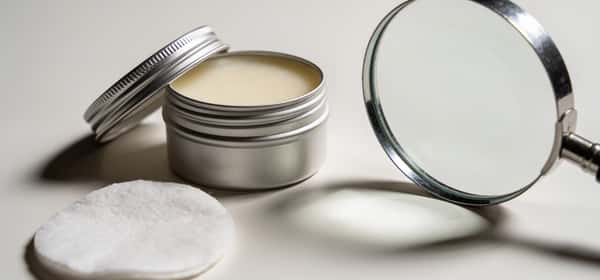
Quick answer: Beef tallow’s main side effects are clogged pores and breakouts (it’s a heavy, comedogenic fat), irritation or barrier disruption from its high oleic acid content in sensitive skin, occasional allergic or sensitivity reactions, and problems from rancid or poorly sourced tallow. It’s a dairy-free animal fat, so it’s not suitable for vegans, and people with very oily or acne-prone skin are most likely to react badly. Most issues are avoidable with a patch test, sparing use, and good-quality tallow. For how to apply it properly, see how to use beef tallow on your face.
1. Clogged pores and breakouts
This is the most common complaint, and it’s baked into what tallow is: a rich, occlusive fat. On dry, clear skin that’s often a feature, not a bug — but on skin that’s inclined to clog, a heavy fatty layer can block pores and trigger or worsen breakouts.
Choose your goal and get a meal plan full of foods you actually like.
Powered by DietGenie Eat healthy
 Lose weight
 Gain muscles
 Explore new cuisines
People with oily or acne-prone skin are the most likely to have this problem, because their pores are already prone to congestion. If you notice small bumps, whiteheads, or new spots after starting tallow, that’s a sign it may be too comedogenic for you. We go deeper on this in beef tallow for acne.
2. Barrier irritation from oleic acid
Tallow is high in oleic acid, and while that makes it feel rich, oleic acid is a bit of a troublemaker for some skin. A dermatology review of natural oils found that oils high in oleic acid can be detrimental to the skin barrier, in contrast to higher-linoleic oils that tend to support it.1
For people with a healthy barrier and dry skin, this usually isn’t an issue. But if you have sensitive skin or an already-compromised barrier (think redness, stinging, flakiness), a high-oleic fat like tallow can sometimes irritate rather than soothe. If tallow leaves your skin red or stinging, the oleic acid may simply not agree with your barrier — see our guide on the damaged skin barrier for how to recover.
3. Allergic and sensitivity reactions
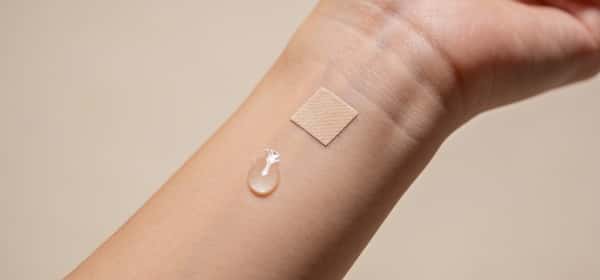
Like any topical product, tallow can cause an allergic or sensitivity reaction in some people — itching, rash, redness, or hives. This is less common than clogged pores, but it’s why a patch test is essential: apply a small amount to your inner forearm daily for several days and watch before using it on your face.
If you have a known beef or red-meat allergy, or any history of reacting to animal-derived products, treat tallow with extra caution.
4. Rancidity and poor sourcing
Because tallow is a fat, it can go rancid over time, especially if exposed to heat, light, or air. Rancid fats are oxidized, can smell sour or “off,” and applying them to your skin isn’t a good idea — oxidized lipids are more likely to irritate.
Sourcing matters more than people realize:
- Buy grass-fed, well-rendered, purified tallow from a reputable maker.
- Smell it: clean and neutral (or faintly beefy) is fine; sour, sharp, or “old oil” means it’s gone off.
- Store it cool, sealed, and out of sunlight, and don’t keep it forever.
Cheap, poorly processed, or old tallow is more likely to cause problems than a fresh, quality product.
5. It’s an animal product
Worth stating plainly: tallow is rendered beef fat, so it’s not vegan or vegetarian, and it won’t suit anyone avoiding animal-derived products for ethical or religious reasons. If that’s you, a plant butter like shea gives you a similar rich-balm experience without the animal source.
Who should avoid or be cautious with beef tallow
| Group | Why |
|---|---|
| Acne-prone / oily skin | High comedogenic risk |
| Sensitive / compromised barrier | Oleic acid may irritate |
| Beef/red-meat allergy | Possible allergic reaction |
| Vegans / vegetarians | It’s an animal product |
| Anyone using it as sunscreen | Tallow offers no SPF — never replace sunscreen |
Tallow with eczema, rosacea, and other conditions
People with specific skin conditions often ask whether tallow is safe, and the honest answer is “it depends, and tread carefully”:
- Eczema / very dry skin: a rich occlusive can genuinely soothe dry, eczema-prone skin by sealing in moisture — but eczema-prone skin is also reactive, so the oleic acid could irritate some people. Patch test on a small patch first, and don’t apply to broken or weeping skin.
- Rosacea / sensitive skin: rosacea-prone skin reacts easily, so a heavy, high-oleic fat is a gamble. Introduce it very cautiously, if at all, and stop at the first sign of flushing or stinging.
- Active acne: generally not recommended, given the comedogenic risk.
When in doubt with a diagnosed skin condition, it’s worth running tallow past a dermatologist rather than relying on social-media testimonials, since these conditions vary enormously from person to person.
Is it safe to use long-term?
There’s no evidence that long-term topical tallow use is harmful for people whose skin tolerates it — if it agrees with your skin, ongoing use is fine. The main long-term watch-outs are practical rather than medical: making sure your jar hasn’t gone rancid over months of use, and staying alert to your skin slowly becoming congested over time (which can creep up gradually). If your skin still looks clear and feels soft after weeks of use, there’s no reason to stop.
Suggested read: Retinol Side Effects: Purge, Irritation, Safety
How to minimize the risks
Most tallow side effects are avoidable with a bit of care:
- Patch test for 5–7 days before full-face use.
- Use sparingly — a pea-sized amount or less; overapplication invites clogging.
- Choose quality grass-fed, fresh, well-rendered tallow and store it properly.
- Stop if you react — clogged pores, persistent redness, or irritation are your cue to quit.
- Never use it as sun protection — it has no SPF.
Suggested read: Beef Tallow for Skin: Benefits, Science, Cautions
The bottom line
Beef tallow isn’t risk-free just because it’s natural. Its most common side effect is clogged pores and breakouts, since it’s a heavy, comedogenic fat — a particular problem for oily and acne-prone skin. Its high oleic acid content can also irritate sensitive or compromised skin barriers, and like any fat it can go rancid or trigger an allergic reaction, while remaining off-limits for vegans.
The encouraging part is that most of these issues are avoidable: patch test, use a tiny amount on the right skin type, buy fresh quality tallow, and stop if your skin objects. For dry, robust, non-acne-prone skin, tallow used carefully is generally well tolerated. For everyone else, go in with eyes open — and if it doesn’t agree with you, a gentler option like shea butter may be the better fit.