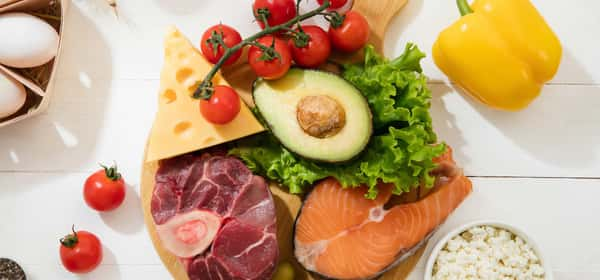
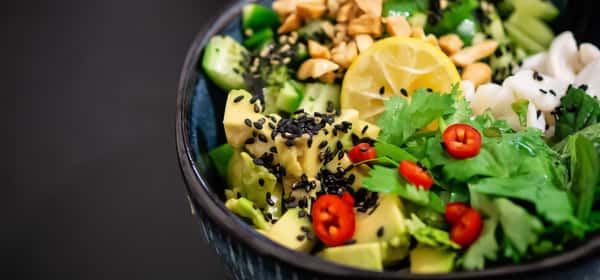
The Autoimmune Protocol (AIP) diet is a strict elimination diet designed for people with autoimmune conditions. It removes foods believed to trigger inflammation in susceptible individuals — gluten, dairy, eggs, nightshades, legumes, grains, refined sugars, processed foods — then systematically reintroduces them to identify personal triggers.
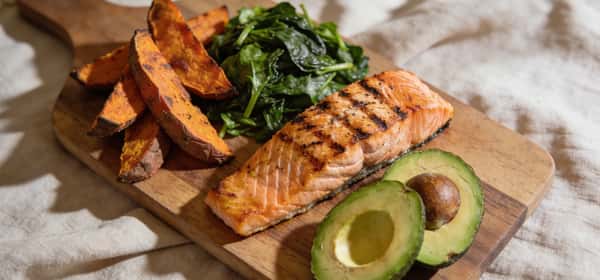
It’s restrictive, demanding, and not for everyone. But for some people with conditions like Hashimoto’s thyroiditis, inflammatory bowel disease, rheumatoid arthritis, lupus, or psoriasis, AIP can produce real symptom improvement. The catch: most of the evidence is small studies, the diet is hard to maintain, and it’s a tool — not a cure.
Here’s a clear, evidence-based guide to what AIP is, how to do it, and whether it’s worth trying.
Skip one-size-fits-all diets. Choose your goal and get your plan.
Powered by DietGenie Lose weight
 Gain muscles
 Eat healthy
 Explore new cuisines
What AIP is and why it exists
AIP is an extension of the paleo diet, developed by Sarah Ballantyne and others, refined for autoimmune conditions specifically. The premise:
- Autoimmune diseases involve immune system dysfunction and chronic inflammation
- Certain foods may trigger immune responses or inflammation in susceptible individuals
- The gut microbiome and intestinal barrier are involved in autoimmune disease
- Strategically removing potential triggers — then reintroducing — can identify what worsens individual symptoms
A 2024 review in Metabolism Open describes AIP as a “personalized elimination diet that aims to determine and exclude the foods that might trigger immune responses, leading to inflammation and symptomatology associated with autoimmune diseases.” The review highlights AIP’s focus on gut health and the microbiome, plus the personalization aspect — the diet starts with broad elimination, then customizes based on individual reintroduction responses.1
What you can eat on AIP
The “yes” list during the elimination phase:
Animal protein
- Grass-fed beef, lamb, bison
- Pasture-raised poultry (chicken, turkey, duck)
- Wild-caught fish (salmon, sardines, mackerel)
- Shellfish
- Bone broth
- Organ meats (liver, heart, kidney)
Vegetables (most)
- Leafy greens (spinach, kale, lettuce, arugula)
- Cruciferous (broccoli, cauliflower, brussels sprouts, cabbage)
- Root vegetables (sweet potato, carrots, beets, parsnips, rutabaga, turnip)
- Squash and zucchini
- Cucumber
- Onions, garlic, leeks
- Asparagus, celery, fennel
Excluded: nightshades (see below)

Fruits
- Berries, citrus, melons, apples, pears, peaches, plums
- Bananas, avocados
- Coconut
Healthy fats
- Olive oil, avocado oil, coconut oil
- Animal fats from grass-fed sources
Other
- Coconut products (milk, flour, butter)
- Fermented foods (sauerkraut, kombucha — without sugars or excluded ingredients)
- Bone broth
- Herbs and most spices (except seed-based — see below)
- Honey, maple syrup (in moderation)
What you cannot eat on AIP
Grains (all)
- Wheat, rye, barley, oats, rice, corn, quinoa, buckwheat
Legumes (all)
- Beans, lentils, chickpeas, soy, peanuts (yes, peanuts are legumes)
Dairy (all)
- Milk, cheese, yogurt, butter, ghee (some AIP versions allow ghee)
Eggs
- Both whites and yolks
Nightshade vegetables and spices
- Tomatoes, potatoes (white, not sweet potato), eggplant, peppers (all colors), paprika, cayenne, chili powder
Nuts and seeds (all)
- Including sunflower, pumpkin, sesame, chia, flax
- Including coffee, cocoa (technically seeds)
Seed-based spices
- Cumin, coriander, fennel seed, mustard seed, nutmeg, black pepper
Refined sugars and processed foods
- Anything with added refined sugar, artificial sweeteners
- Processed snacks, packaged foods
Alcohol
- All forms
NSAIDs (where possible)
- The protocol recommends minimizing aspirin, ibuprofen, naproxen, etc., as they can affect gut barrier function
How AIP actually works
Phase 1: Elimination (typically 30–90 days)
Strict avoidance of all excluded foods. Most people see symptom changes by 30 days; some need longer.
Suggested read: Endometriosis Diet: Foods to Eat and Foods to Avoid
Phase 2: Reintroduction (months)
Reintroduce excluded foods one at a time, in a specific order:
- Start with foods most likely to be tolerated: egg yolks, ghee, seed spices
- Then: nuts, seeds, legumes (one at a time)
- Later: nightshades, dairy
- Last: gluten, alcohol
For each food:
- Eat a small amount (1–2 tablespoons or equivalent)
- Wait 5–7 days, monitoring symptoms
- If no flare: increase amount
- If flare: continue avoiding for now, retest later
The reintroduction phase is where AIP becomes individualized. Some people tolerate certain “excluded” foods fine; others don’t. The protocol identifies your personal pattern.
Phase 3: Maintenance
Long-term, you eat a personalized diet based on what your reintroductions revealed. For most people, this is broader than strict AIP but more restricted than the standard diet — typically excluding gluten and a few personal triggers.
What conditions might AIP help
The 2024 review mentions AIP being studied for:1
- Hashimoto’s thyroiditis
- Inflammatory bowel disease (Crohn’s, ulcerative colitis)
- Rheumatoid arthritis
- Celiac disease
- Hashimoto’s disease
- Other autoimmune conditions
Small clinical trials (the largest typically <30 participants) have shown improvements in symptom scores, quality of life, and some inflammation markers. The evidence is preliminary but suggestive.
What AIP isn’t:
- A cure for any autoimmune condition
- A replacement for prescribed treatments (immunosuppressants, biologics, hormone replacement)
- Necessary for everyone with autoimmune disease
What you might notice on AIP
Common reports during elimination:
Weeks 1–2
- “Detox” symptoms — headaches, fatigue, irritability (often from caffeine and sugar withdrawal more than detoxification)
- Digestive changes
- Sleep changes
- Cravings (intense in early weeks)
Weeks 3–6
- Symptom improvements in autoimmune-related complaints (joint pain, skin issues, fatigue, brain fog, GI issues)
- Better energy
- Improved sleep
- Weight loss (often from cutting processed foods and refined carbs)
Weeks 6–12
- Plateau in symptoms
- Time to start systematic reintroductions
- Better understanding of personal triggers
Not everyone improves. Some people find AIP doesn’t help meaningfully. That’s also useful information.
Suggested read: Hashimoto Diet: Overview, Foods, Supplements, and Tips
Realistic challenges
Social pressure
Eating AIP at restaurants, family meals, and social events is hard. Plan ahead.
Cost
Grass-fed meats, organic produce, and high-quality fats are expensive. AIP can run 30–50% more than standard eating.
Time
Cooking from scratch is mostly required. Convenient AIP options are limited.
Nutritional risks
Eliminating grains, legumes, dairy, and nuts simultaneously can leave gaps in fiber, calcium, certain B vitamins, and energy. Working with a registered dietitian familiar with AIP is recommended for longer protocols.
Disordered eating risk
Highly restrictive diets can spiral into orthorexia. AIP isn’t appropriate for people with active eating disorder history.
Limited duration
AIP’s strict elimination phase isn’t designed to be permanent. Staying in elimination for months can worsen quality of life and create deficiency risks.
Who should NOT try AIP without medical guidance
- People with active or history of disordered eating
- People who are underweight
- Pregnant or breastfeeding women
- Children
- People with kidney disease or other conditions affecting nutrition
- People without an autoimmune diagnosis (more restrictive than necessary)
- People on multiple medications affected by dietary changes
Practical tips for trying AIP
Get baseline labs
Before starting, have current values for thyroid (if Hashimoto’s), inflammatory markers, and your specific autoimmune indicators. Compare after 90 days.
Plan ahead
Stock the pantry with AIP-friendly staples. Have go-to recipes. Batch cook.
Track symptoms
A daily symptom journal makes reintroduction phase informative. Without it, you won’t know what triggers what.
Find AIP recipes
Several cookbooks and websites focus on AIP. Variety prevents diet fatigue.
Work with professionals
A doctor familiar with autoimmune nutrition + a dietitian increase your chance of success and reduce the deficiency/disordered eating risk.
Consider the modified versions
Strict AIP is the most demanding version. Many people get most benefits from a modified approach — strict gluten-free + dairy-free + low processed foods, without the full elimination.
AIP vs. other diets
| Diet | Restrictiveness | Evidence base for autoimmune | Sustainability |
|---|---|---|---|
| AIP | Very high | Preliminary, suggestive | Hard long-term |
| Paleo | High | Modest | Moderate |
| Whole30 | High (30 days) | Limited | Short-term only |
| Mediterranean | Moderate | Strong (general health) | High |
| Anti-inflammatory diet | Moderate | Moderate | High |
| Gluten-free + dairy-free | Moderate | Moderate (specific conditions) | Moderate |
For someone with autoimmune disease wanting a less demanding starting point, beginning with strict gluten-free + dairy-free for 90 days is a reasonable first experiment. If that doesn’t help, AIP is the next step.
Suggested read: Vegan Grocery List for Beginners | Essential Plant-Based Foods
Common questions
Is AIP the same as paleo? Stricter. AIP eliminates several paleo-allowed foods (eggs, nuts, seeds, nightshades).
How long should I do strict AIP? 30–90 days for the elimination phase. Reintroductions take 3–6 months.
Can I do AIP without an autoimmune condition? Yes, but you may not benefit and it’s unnecessarily restrictive. A less strict elimination diet would identify food sensitivities with less effort.
Will AIP let me stop my medication? Possibly reduce dose under medical supervision; rarely eliminate. Don’t stop autoimmune medications without your doctor.
Can I drink coffee? No during elimination (cocoa and coffee are seeds). Many people reintroduce coffee successfully later.
What about supplements? A multivitamin is reasonable. Consider vitamin D, magnesium, and omega-3s based on individual needs.
Bottom line
The AIP diet is a structured elimination-and-reintroduction protocol for people with autoimmune conditions. The evidence is preliminary but suggestive — small trials show symptom improvements in conditions like Hashimoto’s, IBD, and rheumatoid arthritis. It’s restrictive, demanding, and not for everyone. Worth a 90-day trial if you have a diagnosed autoimmune condition and other interventions haven’t fully resolved symptoms; not appropriate as a general health strategy. Work with a doctor and dietitian to do it safely and learn from the reintroduction phase, which is where the real personalization happens.