If heartburn has become a regular part of your day, what’s on your plate — and how and when you eat it — is one of the most powerful levers you have. Acid reflux, and its chronic form GERD, is strongly tied to diet and lifestyle, which is genuinely good news: it means the right changes can calm the burning without leaning entirely on medication. This is the complete acid reflux diet: what to eat, what to cut, and the eating habits that make the biggest difference.
Quick answer: An acid reflux diet eases GERD by building meals around low-fat, non-trigger foods — vegetables, whole grains, lean protein, and non-citrus fruit — while cutting the fatty, fried, spicy, and acidic foods that provoke reflux. Just as important is how you eat: smaller meals, and not eating within about three hours of lying down, since late meals worsen reflux.1 Losing excess weight is one of the most effective steps of all, reducing both symptoms and acid exposure.1 Together, diet and these habits calm reflux for many people — though persistent symptoms should always be checked by a doctor.
What acid reflux and GERD actually are
Acid reflux happens when stomach acid flows back up into your esophagus, causing that familiar burning behind the breastbone. The gatekeeper is a ring of muscle at the bottom of your esophagus — the lower esophageal sphincter (LES). When it relaxes at the wrong time or is under pressure, acid escapes upward. When this happens frequently, it’s called gastroesophageal reflux disease (GERD), which affects up to 30% of adults in Western countries.1
Food choices matter for reflux. Choose your goal and get a plan built for you.
Powered by DietGenie Eat healthy
 Lose weight
 Gain muscles
 Explore new cuisines
Diet influences reflux in two ways: certain foods relax the LES or increase acid, and large or late meals raise the pressure and volume that push acid up. That’s why the acid reflux diet is about what and how you eat, together.
Foods to build your diet around
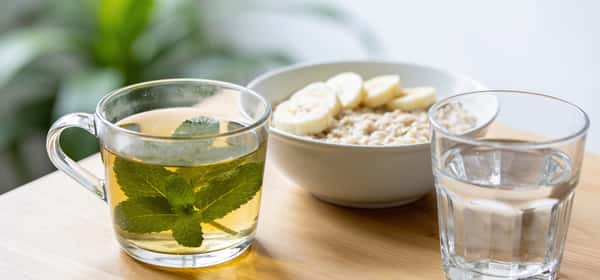
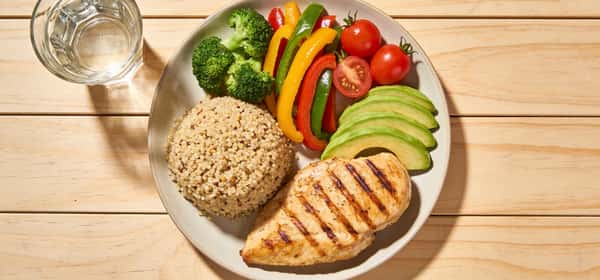
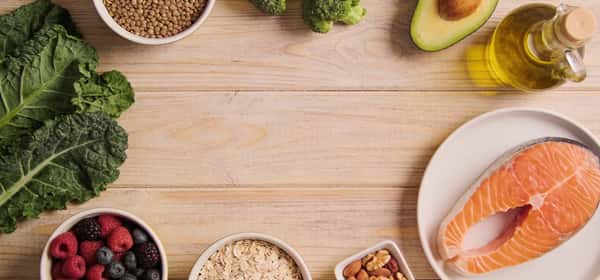
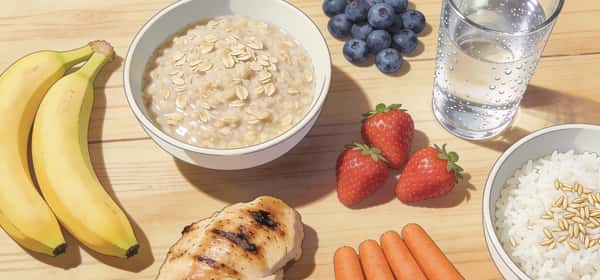
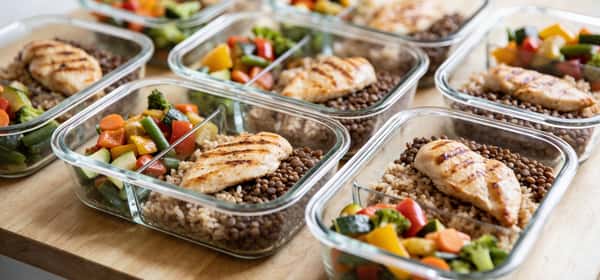
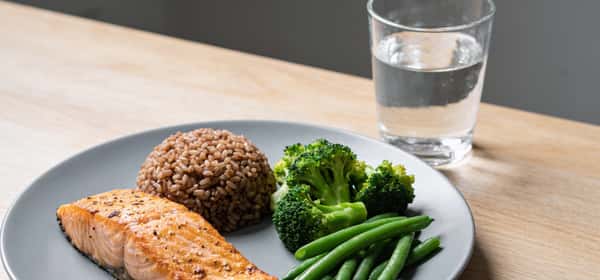
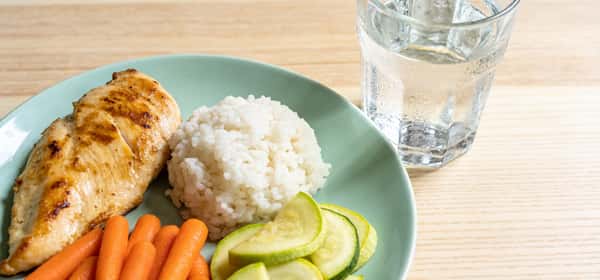
The foundation of a reflux-friendly diet is low-fat, non-acidic, minimally processed foods:
- Vegetables — non-acidic ones like leafy greens, broccoli, green beans, cucumber, and potatoes
- Whole grains — oats, brown rice, and whole-grain bread for fiber
- Lean protein — skinless poultry, fish, tofu, and legumes (grilled or baked, not fried)
- Non-citrus fruit — bananas, melon, apples, and pears
- Healthy fats in moderation — a little olive oil, avocado, and nuts
There’s real evidence behind this pattern. A fiber-enriched diet was shown to reduce heartburn frequency and improve the function of the LES in people with reflux,2 and both a Mediterranean-style and a lower-carbohydrate diet appear to protect against reflux.3 Our deep dive on the best foods for acid reflux covers these in detail, and high-fiber foods makes fiber easy.
Foods and drinks to cut
On the other side, several foods reliably provoke reflux — mostly by relaxing the LES or increasing acid:
- Fatty and fried foods — the biggest dietary trigger; fat intake increases reflux3
- Spicy foods
- Citrus and tomato — oranges, lemons, tomato sauce
- Chocolate and peppermint — both relax the LES3
- Coffee and alcohol — both promote reflux3
- Carbonated drinks
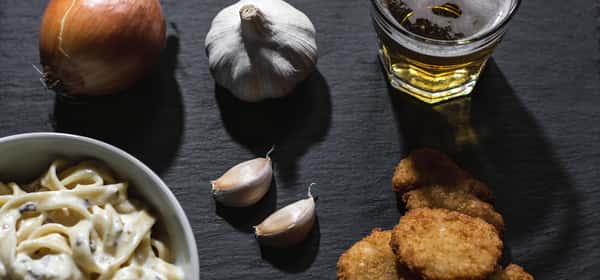
Not everyone reacts to every trigger — reflux is genuinely personal, and a food that floors one person may be fine for another. The most reliable way to find your own list is to keep a short food-and-symptom note for a couple of weeks and watch for the meals that reliably precede your heartburn. We keep a fuller list in foods that cause heartburn, and the drinks side gets its own guide in the best and worst drinks for acid reflux.
How you eat matters as much as what
This is where many people miss the biggest wins. Two habits stand out in the research:
- Eat smaller meals. Large meals distend the stomach and push acid upward. Smaller, more frequent meals keep pressure down.
- Don’t eat late. Lying down with a full stomach is a recipe for reflux — late evening meals significantly increase acid exposure while you sleep compared with earlier meals.1 A good rule is to finish eating at least three hours before bed.
These simple timing changes often help as much as any food swap — and they cost nothing, which makes them the first thing worth trying if night-time heartburn is your main complaint. Our 7-day acid reflux meal plan builds them right in.
The single most effective change: lose excess weight
If you carry extra weight, losing some is one of the most powerful things you can do for reflux. Excess weight — especially around the middle — puts pressure on the stomach and pushes acid up. In the research, weight loss reduced both reflux symptoms and measured acid exposure in the esophagus.1 You don’t need dramatic weight loss; a modest, steady reduction can meaningfully cut symptoms, and the benefit tends to show up early — many people notice less reflux after losing just a few kilograms. Pairing the diet with activity helps, so our guide to the best exercise for weight loss is worth a look — though it’s worth avoiding intense exercise right after eating, since that can push acid up too.
Put it together
The acid reflux diet isn’t a rigid list — it’s a pattern: low-fat, non-acidic, fiber-rich whole foods, eaten in smaller portions and not too close to bedtime, with excess weight gradually coming off. For everything working together, including the lifestyle side, see how to stop acid reflux naturally and the practical ways to prevent heartburn.
Suggested read: The Best Foods for Acid Reflux
When to see a doctor
An honest, important note: diet and lifestyle are the first-line approach for reflux, but they’re not a replacement for medical care when it’s needed. If your symptoms are frequent or persistent, if over-the-counter remedies aren’t enough, or if you have any alarm signs — difficulty swallowing, unintended weight loss, vomiting, or black stools — see a doctor. Untreated GERD can, over time, damage the esophagus, so it deserves proper evaluation. And if you’re on prescribed medication like a proton pump inhibitor, use diet to support it, not to abruptly stop it without medical advice.
The bottom line
An acid reflux diet works because it targets the causes: it builds meals from low-fat, non-acidic, fiber-rich whole foods while cutting the fatty, fried, spicy, and acidic triggers that provoke reflux. Just as powerful is how you eat — smaller meals and nothing within three hours of bed — and losing excess weight, which reduced symptoms and acid exposure in the research. Combine the food, the timing, and gradual weight loss, and many people find their heartburn settles substantially. Give it a genuine trial, keep your doctor in the loop for persistent symptoms, and let your plate do a lot of the work.
Ness-Jensen E, Hveem K, El-Serag H, Lagergren J. Lifestyle Intervention in Gastroesophageal Reflux Disease. Clin Gastroenterol Hepatol. 2016;14(2):175-182.e1-3. PubMed ↩︎ ↩︎ ↩︎ ↩︎ ↩︎
Morozov S, Isakov V, Konovalova M. Fiber-enriched diet helps to control symptoms and improves esophageal motility in patients with non-erosive gastroesophageal reflux disease. World J Gastroenterol. 2018;24(21):2291-2299. PubMed ↩︎
Surdea-Blaga T, Negrutiu DE, Palage M, Dumitrascu DL. Food and Gastroesophageal Reflux Disease. Curr Med Chem. 2019;26(19):3497-3511. PubMed ↩︎ ↩︎ ↩︎ ↩︎