Knowing which foods are kind to your stomach is one thing; turning that into a week of actual meals — without a heartburn flare — is another. So here’s a done-for-you 7-day acid reflux meal plan: low-fat, non-acidic, satisfying food arranged to keep reflux at bay, along with the meal-timing habits that matter just as much as the ingredients. No exotic shopping list, no bland “sick food” — just a template you can start tomorrow to eat well and burn less.
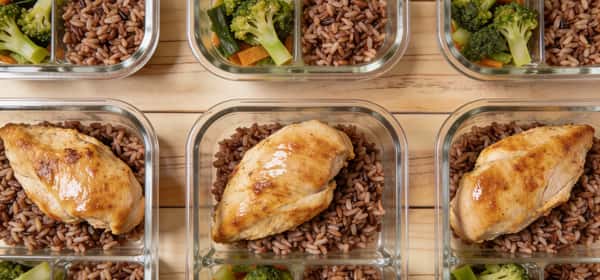
Quick answer: An acid reflux meal plan is built on low-fat, non-acidic, fiber-rich foods — vegetables, whole grains, lean protein, and non-citrus fruit — cooked simply rather than fried, and eaten in smaller portions. The plan below gives you a week of reflux-friendly breakfasts, lunches, dinners, and snacks. Just as important as the food is the timing: eat smaller meals and finish dinner at least three hours before bed, since late meals worsen reflux.12 Keep those habits and this menu, and you give heartburn far fewer openings.
The principles behind the plan
Every day follows the same simple rules, so you can improvise too:
Food choices matter for reflux. Choose your goal and get a plan built for you.
Powered by DietGenie Eat healthy
 Lose weight
 Gain muscles
 Explore new cuisines
- Keep it low-fat — grill, bake, or steam instead of frying.
- Skip the usual triggers — no citrus, tomato, spicy, or fried dishes.
- Build around fiber — vegetables, whole grains, and non-citrus fruit.
- Smaller portions — don’t overfill the stomach at any one meal.
- Finish dinner early — at least three hours before lying down.
The 7-day acid reflux meal plan
Mix and match freely, and repeat the days you like.
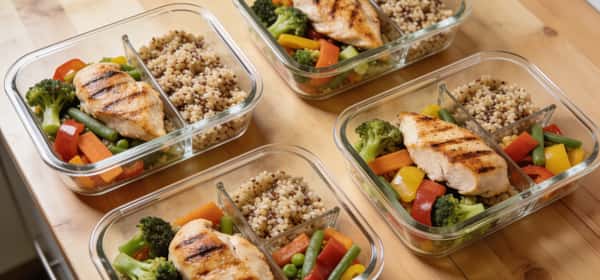
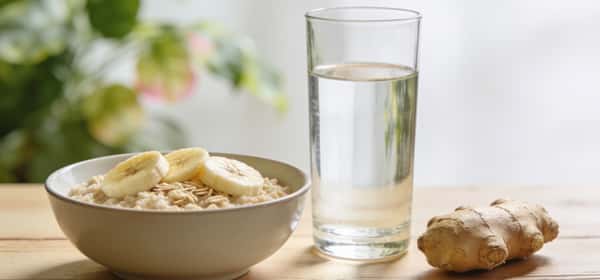
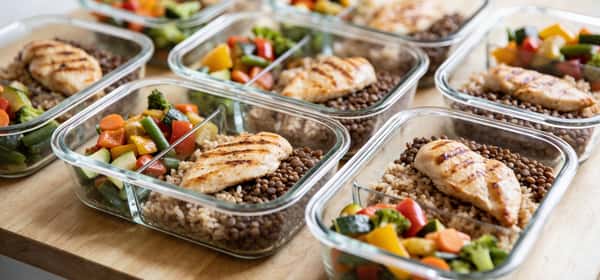
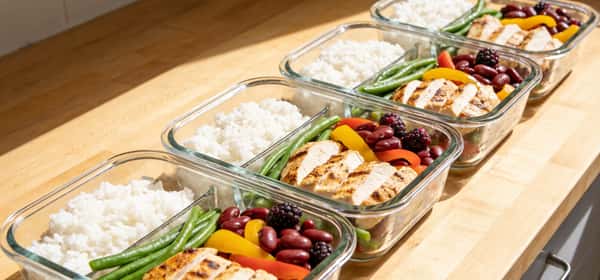
Day 1 — Breakfast: oatmeal with banana and a drizzle of honey. Lunch: grilled chicken with brown rice and steamed green beans. Dinner: baked fish with mashed potato and sautéed spinach. Snack: a pear.
Day 2 — Breakfast: whole-grain toast with a little avocado and a boiled egg. Lunch: turkey and lettuce whole-grain wrap with cucumber. Dinner: tofu stir-fry (light on oil) with broccoli and rice. Snack: low-fat yogurt.
Day 3 — Breakfast: oatmeal with melon on the side. Lunch: lentil and vegetable soup with whole-grain bread. Dinner: grilled chicken with quinoa and roasted carrots. Snack: a banana.
Day 4 — Breakfast: smoothie with banana, melon, and low-fat yogurt (no citrus). Lunch: baked fish with couscous and steamed vegetables. Dinner: whole-grain pasta with olive oil, zucchini, and grilled chicken. Snack: a handful of almonds.
Day 5 — Breakfast: scrambled eggs (little oil) with whole-grain toast. Lunch: rice bowl with tofu, cucumber, and steamed greens. Dinner: baked chicken with sweet potato and green beans. Snack: an apple.
Day 6 — Breakfast: oatmeal with pear and cinnamon. Lunch: leftover baked chicken with a simple green salad (olive oil, no vinegar). Dinner: white fish with potato and steamed broccoli. Snack: low-fat yogurt with banana.
Day 7 — Breakfast: whole-grain toast with almond butter and banana. Lunch: vegetable and bean soup. Dinner: turkey meatballs (baked) with whole-grain pasta and a light olive-oil sauce. Snack: melon.
Throughout the week: drink water and non-mint herbal teas, keep portions moderate, and stop eating well before bedtime. If you get hungry between meals, lean on the reflux-friendly snacks rather than skipping and then overeating at dinner — a couple of small, gentle meals beat one large one for keeping acid down.
Why meal timing matters as much as the menu
It’s tempting to focus only on ingredients, but when you eat is one of the strongest levers in reflux. Lying down with a full stomach lets acid flow back up far more easily — in the research, late evening meals significantly increased acid exposure during sleep compared with earlier meals, and a short gap between eating and sleeping consistently favors reflux.12 Two rules make a real difference:
- Finish dinner at least three hours before bed. If you eat at 6–7 p.m. and sleep at 10, you’re giving your stomach time to empty.
- Eat smaller meals more often. A giant dinner distends the stomach and raises pressure; splitting your intake keeps that in check.
Your reflux-friendly grocery list
Shopping is easier with a template:
- Produce: bananas, melon, apples, pears, spinach, broccoli, green beans, cucumber, carrots, potatoes, sweet potato
- Protein: chicken breast, turkey, white fish, eggs, tofu, lentils, beans, low-fat yogurt
- Grains: oats, brown rice, quinoa, couscous, whole-grain bread and pasta
- Pantry: olive oil, almonds, almond butter, honey, cinnamon, ginger, non-mint herbal teas
Notice what’s not on it: no citrus, tomato sauce, fried food, chocolate, or soda. If it’s not in the house, it can’t trigger you at 9 p.m.
Adjusting the plan for you
The menu above is a low-fat, non-acidic template, but reflux is personal — so treat it as a starting point, not a rulebook. If a “safe” food on the list happens to bother you, swap it out; if you tolerate something usually considered a trigger, you have a little more room. The structure is what matters: gentle base ingredients, cooked simply, in moderate portions, finished early in the evening.
A few easy swaps keep the week varied:
- Breakfast: rotate oatmeal, whole-grain toast with egg, and non-citrus smoothies.
- Protein: trade chicken, turkey, white fish, tofu, and beans so meals don’t repeat.
- Snacks: a banana, melon, low-fat yogurt, or a few almonds cover most cravings without triggering reflux.
If night-time heartburn is your main problem, lean the bigger meals toward lunch and keep dinner lighter and earlier — shifting calories away from the evening is one of the most effective tweaks you can make.
Tips to make it stick
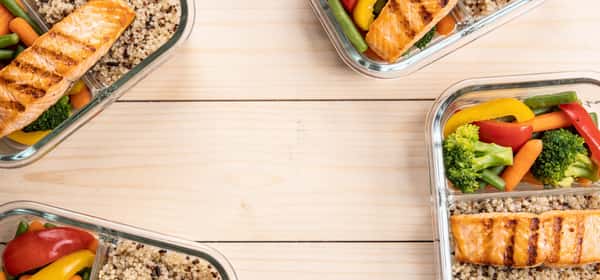
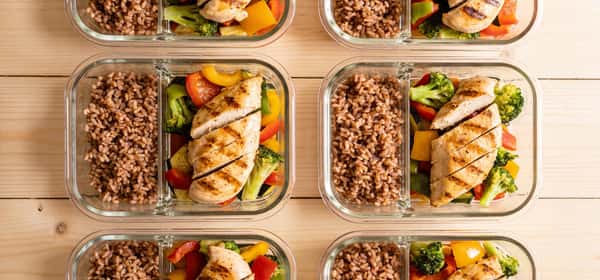
- Prep simply. Bake a tray of chicken and cook a batch of grains and vegetables at the start of the week, so a gentle meal is always within reach.
- Watch portions of healthy fats. Even olive oil and nuts can loosen the valve in large amounts.
- Adjust to your triggers. If a “safe” food bothers you personally, swap it — reflux triggers vary from person to person, so let your own experience be the final guide.
This plan pairs with the full strategy in our acid reflux diet guide, the best foods for acid reflux, and the drinks guide. A plan tailored to your own tastes and triggers is far easier to stick with — which is exactly what the personalized plan below offers.
Suggested read: The Acid Reflux Diet: What to Eat to Ease GERD
The bottom line
An acid reflux meal plan doesn’t have to be bland or complicated — it’s just a week of low-fat, non-acidic, fiber-rich meals cooked simply and eaten in sensible portions. Use the 7-day template above as your starting point, drink water and non-mint teas, and pay as much attention to timing as to ingredients: smaller meals, and dinner finished at least three hours before bed, since late meals reliably worsen reflux. Follow the pattern consistently, tweak it around your own triggers, and you’re doing the two things that help most — feeding your stomach gently and giving it time to settle before you lie down.
Ness-Jensen E, Hveem K, El-Serag H, Lagergren J. Lifestyle Intervention in Gastroesophageal Reflux Disease. Clin Gastroenterol Hepatol. 2016;14(2):175-182.e1-3. PubMed ↩︎ ↩︎
Surdea-Blaga T, Negrutiu DE, Palage M, Dumitrascu DL. Food and Gastroesophageal Reflux Disease. Curr Med Chem. 2019;26(19):3497-3511. PubMed ↩︎ ↩︎